Read on the Guardian
Wellington's Wastewater Crisis: Environmental Catastrophe Unfolds in New Zealand's Capital
Wellington, New Zealand's capital, faces an unprecedented environmental disaster as millions of litres of raw sewage continue pouring into pristine coastal waters following the catastrophic failure of the Moa Point wastewater treatment plant. The crisis, ongoing for weeks, has closed beaches, threatened marine ecosystems including vulnerable penguin species, and sparked public outrage and a national inquiry. This article examines the causes, environmental impacts, and governance failures behind what local leaders describe as 'a catastrophe' stemming from generations of infrastructure neglect.
Wellington, New Zealand's picturesque capital, is confronting an environmental and public health disaster of unprecedented scale. Since February 4, 2026, the catastrophic failure of the Moa Point wastewater treatment plant has sent millions of litres of raw and partially screened sewage directly into the city's pristine coastal waters and marine reserves. What began as an electrical failure has escalated into a full-blown crisis, exposing deep-seated issues with infrastructure investment, governance, and environmental protection in one of the world's most ecologically conscious nations.

The Catastrophic Failure
The crisis began with an overnight electrical failure that flooded the Moa Point wastewater treatment plant, destroying approximately 80% of the equipment. This critical infrastructure failure has transformed Wellington's popular coastline into an environmental disaster zone. Initially, raw sewage was pumped directly from a five-metre pipe near Tarakena Bay beach. While authorities have since diverted most sewage 1.8km offshore into Cook Strait after basic screening, the damage to marine ecosystems and public confidence has been profound.
The scale of the discharge is staggering—millions of litres daily flowing into areas adjacent to Wellington Airport, where thousands of international visitors arrive each day. The situation has created surreal scenes along the south coast: abandoned beaches, public health warning signs, and seagulls feeding on human waste have become common features of what was once a pristine recreational area.
Environmental Impact and Marine Life Threat
The environmental consequences of this ongoing sewage discharge are severe and potentially long-lasting. The affected area includes the Taputeranga Marine Reserve, home to diverse ecosystems supporting species such as mussels, kina, pāua, sea sponges, fish, crayfish, octopus, and the vulnerable little blue penguin (kororā). Marine biologist Christopher Cornwall warns that "huge numbers" of marine creatures are suffering, with continued pollution threatening mass kelp die-offs that would destroy habitats and food sources.
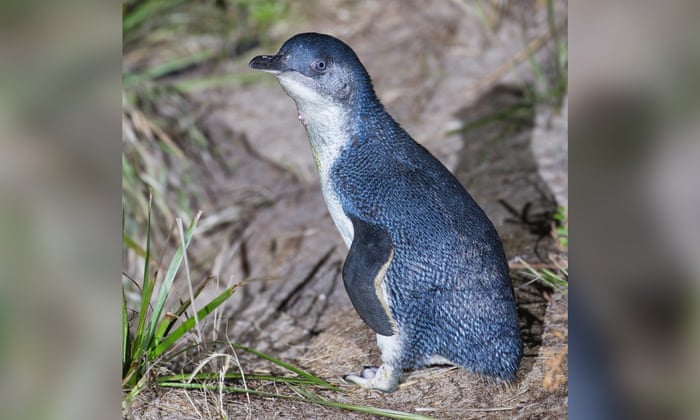
Human-borne bacteria and viruses from the sewage could make sea creatures sick and accumulate in shellfish, rendering them unsafe for consumption. Perhaps most disturbingly, microplastics in human waste are being ingested by seabirds and penguins, creating false feelings of fullness that can lead to starvation. The Department of Conservation acknowledges the damage but says the full extent won't be known until the discharge stops and environmental assessments can be completed.
Governance and Infrastructure Failures
This crisis didn't occur in a vacuum—it represents what local leaders describe as "generations of negligence." The Moa Point plant operates under a complex governance structure involving two layers of local government, the council-owned utility Wellington Water, and the French-owned contractor Veolia. Wellington's new mayor, Andrew Little, admits the arrangement "looked convoluted" and lacked clear authority lines, leaving Wellingtonians in what he describes as a "state of shock."
Official reports indicate continuing issues and warnings about underfunding at the plant for years. Wellington Water chair Pat Dougherty has acknowledged possible "early warning signs" that were missed and backed a full investigation. The situation reflects broader national challenges with water management in New Zealand, where legislation to centralize control and overhaul outdated services was rejected by the coalition government in 2024 in favor of local reforms.
Community Response and Cultural Dimensions
The human impact extends beyond environmental concerns. Local businesses dependent on coastal tourism report significant losses, while residents face restricted access to beaches and recreational areas. At a recent public meeting, hundreds of concerned citizens sought answers, with environmentalist Eugene Doyle capturing the community's frustration: "They're warning us to close our windows because a shit-laden hurricane is coming at us."
For Māori communities, the crisis carries particular cultural significance. Taranaki Whanui chair Te Whatanui Winiata expresses the iwi's longstanding opposition to wastewater discharge into the ocean: "This is our source of sustenance, we are relations to the moana [ocean]. The response from our people is outrage, shock, and anguish." Ray Ahipene-Mercer, who led a 16-year campaign to build the original treatment plant in the 1980s, feels particularly devastated, noting the situation has returned Wellington to conditions not seen in 30 years.

Path Forward and National Inquiry
In response to the crisis, Local Government Minister Simon Watts has called a crown inquiry to investigate the causes and prevent future failures. The inquiry will examine what Watts describes as councils' responsibility for "underinvesting in water infrastructure." Meanwhile, the government plans to transfer responsibility from Wellington Water to a new entity, Tiaki Wai, in July as part of broader water reforms.
Green Party MP Tamatha Paul, who organized the community meeting, emphasizes the need for systemic change: "We are looking at generations of negligence, at a time where our climate is changing dramatically." The crisis has sparked broader questions about why New Zealand continues discharging wastewater into oceans at all, with marine biologist Cornwall questioning the fundamental logic: "Why are we pumping sewage out on to a kelp forest? It's clearly not OK."
As Wellington residents watch dolphins play in now-polluted waters and wonder when their beaches will reopen, the crisis serves as a stark reminder of the consequences of infrastructure neglect. With repairs potentially months away and environmental damage accumulating daily, this disaster represents both an immediate emergency and a long-term challenge for New Zealand's environmental governance and infrastructure planning.