Cannabis Beverages as an Alcohol Harm Reduction Strategy: Insights from New Research
A groundbreaking study from the University at Buffalo suggests cannabis-infused beverages could serve as a novel harm reduction tool for alcohol consumption. Survey data reveals that individuals who switched to cannabis drinks reported cutting their weekly alcohol intake nearly in half and significantly reducing binge drinking episodes. This research introduces the concept of using a legal substance to mitigate the risks of another, highlighting a potential shift in public health strategies as the cannabis beverage market expands rapidly.
The intersection of substance use, public health, and consumer behavior is witnessing a significant evolution with the rise of legal cannabis markets. A pioneering study from the University at Buffalo, published in the Journal of Psychoactive Drugs, introduces a compelling concept: cannabis-infused beverages as a potential tool for alcohol harm reduction. This research marks the first formal exploration of whether the familiar act of sipping a canned drink—only this time containing cannabis—can help individuals moderate a behavior linked to serious health risks.

Understanding Harm Reduction in Public Health
Harm reduction is a pragmatic public health philosophy focused on minimizing the negative consequences associated with substance use, rather than insisting on complete abstinence. As study author Jessica Kruger, PhD, explains, this approach acknowledges that many adults will continue to use legal substances like alcohol, tobacco, or cannabis. The novel aspect of this research is its application of harm reduction principles between two legal substances. "In the first study of its kind, we introduce the concept of having cannabis as harm reduction for alcohol," says Kruger. "Cannabis has been proposed as harm reduction for other drugs such as opioids but not talked about as often for legal substances such as alcohol." This reframes the conversation from one of substitution between illicit and legal drugs to risk management within the sphere of legally available adult consumables.
Key Findings from the University at Buffalo Study
The research surveyed 438 anonymous adults who had used cannabis in the past year. A critical finding was that participants who consumed cannabis beverages reported a more substantial behavioral shift than those using other cannabis products. On average, these individuals reduced their weekly alcoholic drink consumption from approximately seven drinks to just over three—a reduction of roughly 50%. Furthermore, they reported fewer episodes of binge drinking. Perhaps most strikingly, nearly two-thirds (62.6%) of respondents who used cannabis drinks said they either reduced or completely stopped drinking alcohol afterward. The data suggests a direct correlation: 58.6% of cannabis beverage users reported substituting cannabis for alcohol, compared to 47.2% of users of other cannabis products.
Why Cannabis Drinks May Be an Effective Substitute
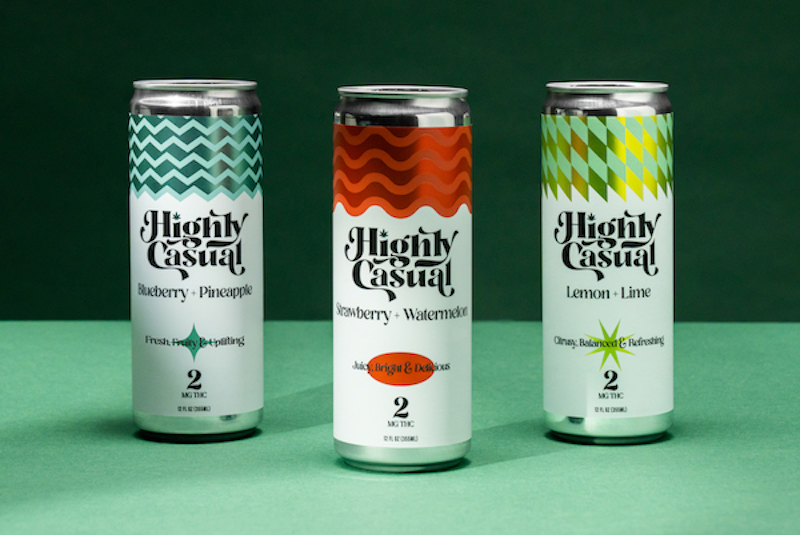
The researchers propose a theory for why beverages might be particularly effective. The method of administration and social context are nearly identical to drinking alcohol. "It's remarkable that people who use cannabis beverages report an even greater reduction in alcohol use," notes co-author Daniel Kruger, PhD. "We believe this may be because of the similarity in administration method and context of use—people at parties or bars will likely have a drink in their hand, in this case a cannabis beverage rather than an alcoholic one." This behavioral mimicry lowers the barrier to substitution, making it a seamless switch within established social rituals. The products are often sold in cans that visually mimic beer or hard seltzer, enhancing this familiar experience.
The Expanding Market and Future Implications
This research arrives as the market for cannabis beverages is experiencing explosive growth. Analysts from Euromonitor project global sales could exceed $4 billion by 2028. Concurrently, a cultural trend toward mindful consumption and initiatives like "Dry January" indicates a growing population actively seeking alternatives to alcohol. The study notes that in regions like New York State, where legal sales began in 2023, these products are becoming increasingly accessible through licensed dispensaries, with over 80% of survey participants purchasing them from such regulated sources.
The findings open a new avenue for public health strategy and consumer choice. While the researchers caution that broader mainstream acceptance may take time, the data points to a tangible behavioral impact. The study represents an initial foray into this area, and the team plans further longitudinal research to understand how cannabis beverage use affects drinking patterns over time and to compare different consumption methods. This work, supported by community partners in the Buffalo cannabis industry, underscores a collaborative approach to understanding real-world substance use trends.
Conclusion: A New Tool in the Public Health Toolkit
The University at Buffalo study provides preliminary but compelling evidence that cannabis-infused beverages could serve as a viable harm reduction tool for some individuals looking to moderate their alcohol intake. By offering a familiar social experience with a different risk profile, these products address a clear consumer demand and present a novel strategy for mitigating alcohol-related harm. As the legal landscape evolves and the market for alternative adult beverages expands, this research highlights the importance of evidence-based approaches to understanding substitution behaviors. It reframes cannabis not just as a recreational substance, but as a potential component in a broader public health framework aimed at reducing the significant burdens associated with excessive alcohol consumption.