Read on PBS News
UN Security Council Meets on Gaza as Trump's Board of Peace Prepares to Convene
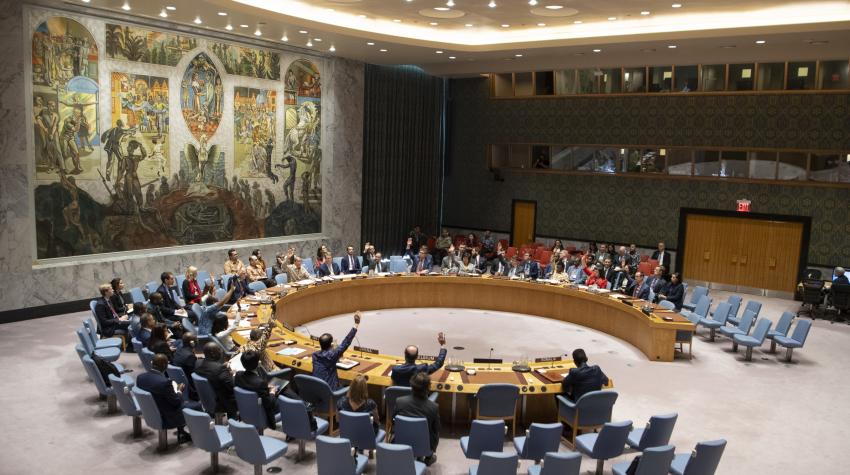
The UN Security Council convened a high-level meeting to address the Gaza ceasefire and Israel's West Bank expansion efforts, a session moved forward to precede the inaugural gathering of President Donald Trump's Board of Peace in Washington. This scheduling shift highlights potential diplomatic tensions between the established international body and the new U.S.-led initiative, which aims to broker global conflicts. The meetings come at a critical juncture for Middle East peace, with Palestinian officials calling for international action against annexation and Israeli officials defending their territorial claims.
The international diplomatic calendar reached a pivotal moment this week as the United Nations Security Council held an urgent high-level meeting on the Middle East. The session, focused on the Gaza ceasefire implementation and Israel's contentious moves in the West Bank, was strategically scheduled just before world leaders travel to Washington for the first assembly of President Donald Trump's newly established Board of Peace. This back-to-back scheduling reflects the complex interplay between traditional multilateral diplomacy and emerging alternative frameworks for conflict resolution.
Diplomatic Scheduling and Competing Agendas
Originally planned for Thursday, the Security Council meeting was moved to Wednesday after President Trump announced the Board of Peace would convene on the same date. This adjustment was necessary to accommodate diplomats planning to attend both gatherings, but it also signals the potential for overlapping—and potentially conflicting—diplomatic agendas. As noted in the PBS NewsHour report, this scheduling conflict underscores concerns among some UN member states that Trump's initiative might attempt to rival or circumvent the Security Council's traditional role in international peace and security.
Palestinian UN Ambassador Riyad Mansour articulated expectations ahead of the meetings, telling reporters, "We expect from the international community to stop Israel and end their illegal effort against annexation, whether in Washington or in New York." This statement highlights how Palestinian officials view both forums as venues to address their core concerns regarding Israeli actions in occupied territories.
Contentious Issues on the Table
West Bank Annexation Concerns
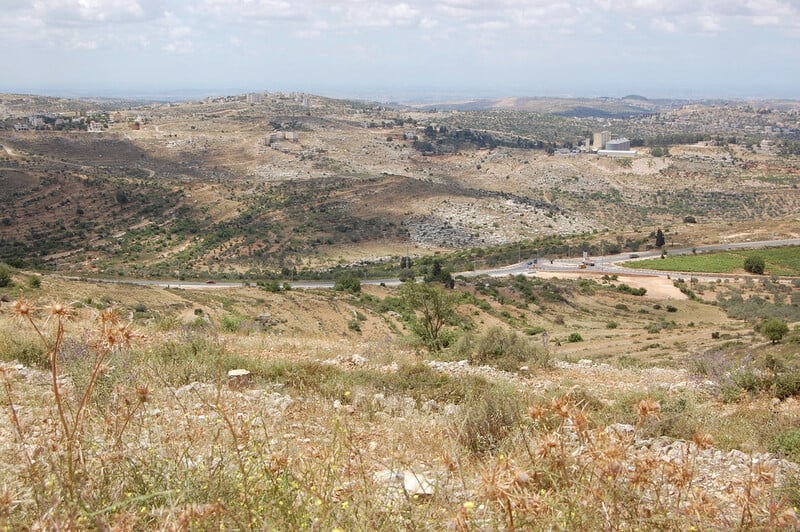
The Security Council meeting addressed what Palestinian, Arab, and human rights groups have labeled as illegal annexation moves in the West Bank. In recent weeks, Israel has launched a land regulation process that Israeli Energy Minister Eli Cohen described as establishing "de facto sovereignty" that would effectively block the establishment of a Palestinian state. These actions affect approximately 3.4 million Palestinians who seek the territory for a future state.
Israeli Foreign Minister Gideon Saar presented a starkly different perspective ahead of the session, accusing the Security Council of being "infected with an anti-Israeli obsession" and asserting that no nation has a stronger claim than Israel's "historical and documented right to the land of the Bible." This fundamental disagreement over territorial rights and legal status formed the contentious backdrop for both the UN meeting and the upcoming Board of Peace discussions.
Gaza Ceasefire Implementation
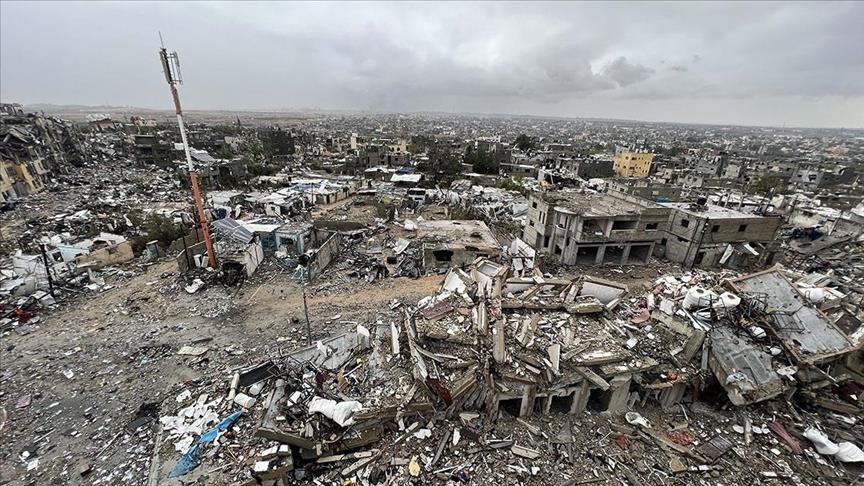
UN political chief Rosemary DiCarlo briefed the Council on what she called "a pivotal moment in the Middle East" that opens possibilities for regional transformation. However, she cautioned that "that opening is neither assured nor indefinite" and warned that sustainability depends on decisions made in coming weeks. The US-brokered ceasefire that took effect October 10 has seen some implementation progress, including Hamas releasing all hostages and increased humanitarian aid to Gaza, though UN officials maintain current levels remain insufficient.
The most challenging aspects of the ceasefire agreement still await resolution, including deploying an international security force, disarming Hamas, and launching Gaza's massive reconstruction. President Trump announced that Board of Peace members have pledged $5 billion toward Gaza reconstruction and will commit thousands of personnel to stabilization forces, though specific details remain unclear. Indonesia has indicated readiness to deploy up to 8,000 troops by June's end for potential humanitarian and peace missions in Gaza.
The Board of Peace: A New Diplomatic Framework
President Trump's Board of Peace represents a significant departure from traditional multilateral diplomacy. Originally envisioned as a small group overseeing his 20-point Gaza plan, the board has expanded into what the administration describes as a mediator for worldwide conflicts. This ambitious vision has generated skepticism among major US allies, with countries including France and Germany opting not to join initially while reaffirming support for the United Nations.
US Ambassador to the UN Mike Waltz used his Security Council statement to contrast the two approaches, asserting that unlike the Security Council, the Board of Peace is "not talking, it is doing." He addressed criticism of the board's unconventional structure by stating, "Again, the old ways were not working." This rhetoric highlights the administration's perspective that established diplomatic mechanisms have failed to resolve protracted conflicts like the Israeli-Palestinian dispute.

International Reactions and Alignments
The diplomatic landscape reveals complex alignments and divisions. While more than 20 countries have accepted invitations to join the Board of Peace, key European allies have remained outside the initiative. Meanwhile, at the UN, nearly all Security Council members except the United States joined Palestinian Ambassador Mansour in reading a statement on behalf of 80 countries and several organizations condemning Israel's West Bank actions and demanding immediate reversal.
Foreign ministers from the United Kingdom, Jordan, Egypt, and Indonesia attended the Security Council's monthly Middle East meeting, with many Arab and Islamic countries specifically requesting the session address Gaza and West Bank issues before some of their representatives travel to Washington. This sequence suggests attempts to establish positions within the UN framework before engaging with the newer US-led initiative.
Conclusion: A Diplomatic Crossroads
The consecutive meetings in New York and Washington represent a diplomatic crossroads for Middle East peace efforts. The United Nations, undergoing its own reforms and funding challenges, faces potential competition from a US-led initiative that explicitly criticizes traditional multilateral approaches. Meanwhile, the substantive issues—ceasefire implementation, West Bank status, humanitarian recovery, and political futures—remain enormously complex.
As noted by UN officials, this moment presents possibilities for regional transformation, but sustained progress will require coordinated action, consistent application of international law, and diplomatic frameworks that can deliver concrete results. Whether the Security Council and Board of Peace will operate in competition, parallel, or coordination remains uncertain, but their nearly simultaneous convening on identical issues ensures that Middle East diplomacy will remain at the forefront of international attention in the coming weeks.