Read on bbc.com
Austrian Climber Convicted in Girlfriend's Hypothermia Death on Grossglockner
An Austrian court has found a climber guilty of gross negligent manslaughter after his girlfriend died of hypothermia during a winter ascent of the Grossglockner mountain in January 2025. The climber, identified only as Thomas P under Austrian privacy laws, received a five-month suspended sentence and a €9,600 fine. The case has sparked widespread debate about criminal liability in mountaineering accidents, responsibility between climbing partners, and the fine line between personal risk-taking and legal accountability in extreme sports.
An Austrian court has delivered a landmark verdict in a tragic mountaineering case that has captivated the international climbing community and raised profound legal questions. In January 2025, Kerstin G died of hypothermia during a winter climbing expedition on Austria's highest peak, the Grossglockner. Her climbing partner and boyfriend, Thomas P, has now been found guilty of gross negligent manslaughter, receiving a five-month suspended sentence and a €9,600 (£8,400) fine. This case represents a significant legal precedent, examining when personal judgment in extreme sports crosses into criminal negligence.
The Fatal Climb and Court Proceedings
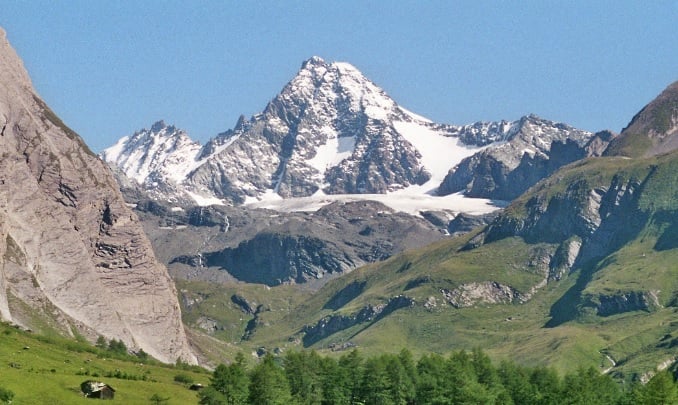
The incident occurred during a winter ascent of the 3,798-meter (12,461-foot) Grossglockner in January 2025. According to court documents and reports from the BBC, the couple found themselves in deteriorating conditions with strong winds reaching up to 74 km/h (45 mph) and temperatures dropping to -8°C, with wind chill making it feel like -20°C. Prosecutors argued that as the more experienced climber, Thomas P was "the responsible guide for the tour" and failed to turn back or call for help in time to save his girlfriend.
Judge Norbert Hofer, himself an experienced climber who works with mountain and helicopter rescue teams in Tyrol, delivered the verdict. He noted that while Thomas P was an excellent Alpinist, his girlfriend was "light-years behind him in terms of her climbing abilities." The judge stated that the couple should have turned back as Kerstin G did not have enough experience in winter conditions. However, he emphasized that Thomas P had not left her behind "wilfully," telling him, "I don't see you as a murderer, I don't see you as cold-hearted."
Key Evidence and Disputed Accounts
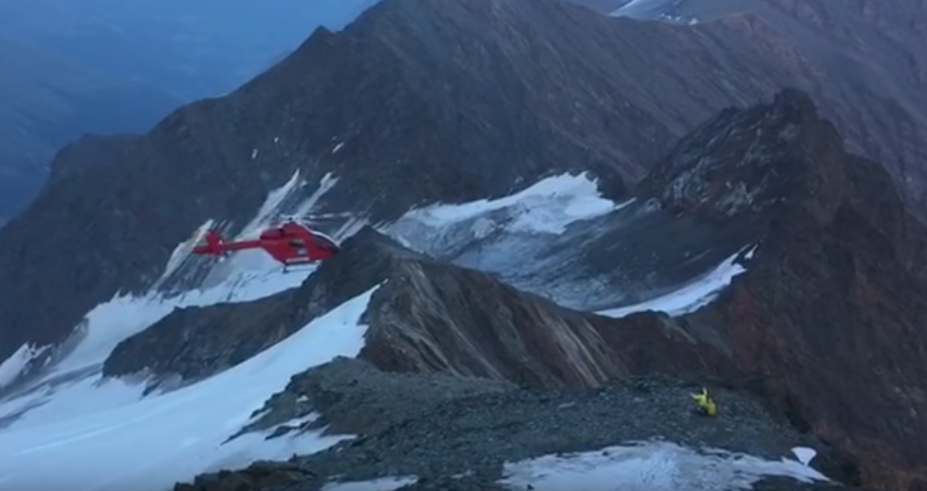
The court heard conflicting accounts of what transpired on the mountain. Prosecutors presented evidence showing that a police helicopter flew overhead at around 22:30, but Thomas P failed to send distress signals. Video footage from the helicopter showed the couple still climbing at that time. Webcam images from foto-webcam.eu showed lights from their torches as they scaled the mountain, with images indicating they were still climbing at 21:00.
The defense argued that at the time the helicopter flew overhead, the couple still felt fine and didn't call for help as they were close to the summit. They claimed the situation changed dramatically shortly afterward when Kerstin G became exhausted near the summit. According to the defense, she told Thomas P to go get help. At 00:35 on January 19, he called mountain police, though the content of this conversation is disputed. Rescuers claimed it wasn't an emergency call, while Thomas P's lawyer denies he told police everything was fine.
Medical Findings and Previous Incidents
Forensic pathologist Claudia Wöss confirmed to the court that Kerstin G died of hypothermia. Her examination also revealed evidence of viral pneumonia and the painkiller ibuprofen in the victim's body. While she was unable to determine whether the illness had impaired Kerstin's physical capacity or made a sudden decline more likely, this medical evidence added complexity to the case.
The prosecution presented testimony from Andrea B, a former girlfriend of Thomas P, who described how he had left her alone on a previous tour on the Grossglockner in 2023. She testified that she had been "at the end of her tether, feeling dizzy and her headlight had gone out" when he suddenly disappeared, walking ahead and leaving her behind. This testimony suggested a pattern of behavior that the prosecution used to establish negligence.
Legal Implications and Community Response
The trial has sparked intense debate within Austria and international climbing communities about when personal judgement and risk-taking become matters of criminal liability. The case raises fundamental questions about responsibility between climbing partners, especially when there's a significant experience disparity. As noted in the BBC report, the court considered Thomas P's previous clean record and the loss of a person close to him as mitigating factors, along with "the public discussion on social media, which was incriminating for the defendant."
This verdict establishes a legal precedent that could influence future cases involving climbing accidents and partner responsibility. It underscores that experienced climbers may bear legal responsibility for less experienced partners in dangerous conditions, particularly when they fail to exercise appropriate judgment about when to turn back or call for help.

Conclusion and Ongoing Legal Process
The Grossglockner climbing tragedy has resulted in a guilty verdict that balances the tragic loss of life with considerations of intent and experience. While Thomas P was found guilty of gross negligent manslaughter, the suspended sentence and fine reflect the court's recognition that this was not a case of intentional harm but rather catastrophic misjudgment in extreme conditions. The case is subject to appeal, meaning the legal implications may continue to evolve.
This case serves as a sobering reminder to the climbing community about the serious responsibilities that come with leading less experienced partners in dangerous environments. It highlights the importance of conservative decision-making in mountaineering, particularly regarding when to turn back and when to call for assistance. As climbing continues to grow in popularity, this verdict may influence how climbing partners assess their responsibilities and legal liabilities in challenging conditions.