Read on France 24
José María Balcázar Elected as Peru's Eighth President in a Decade Amid Political Turmoil
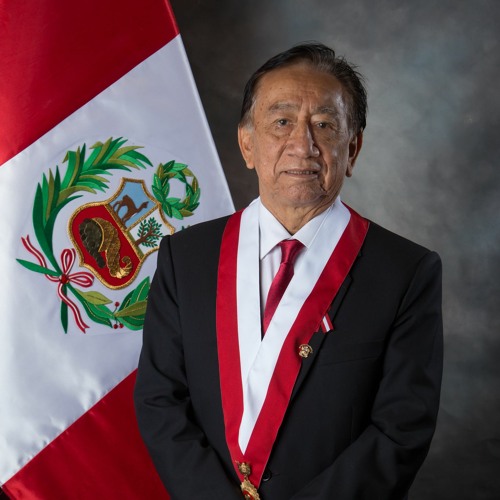
In a dramatic late-night session, Peru's Congress has elected legislator José María Balcázar as the nation's eighth president in just ten years. This swift transition follows the ousting of another interim leader over corruption allegations after only four months in office. The move underscores the profound and persistent political instability that has plagued the Andean nation, raising questions about governance, institutional trust, and the path forward for Peru's democracy. This article examines the context of this latest leadership change and its implications for the country's future.
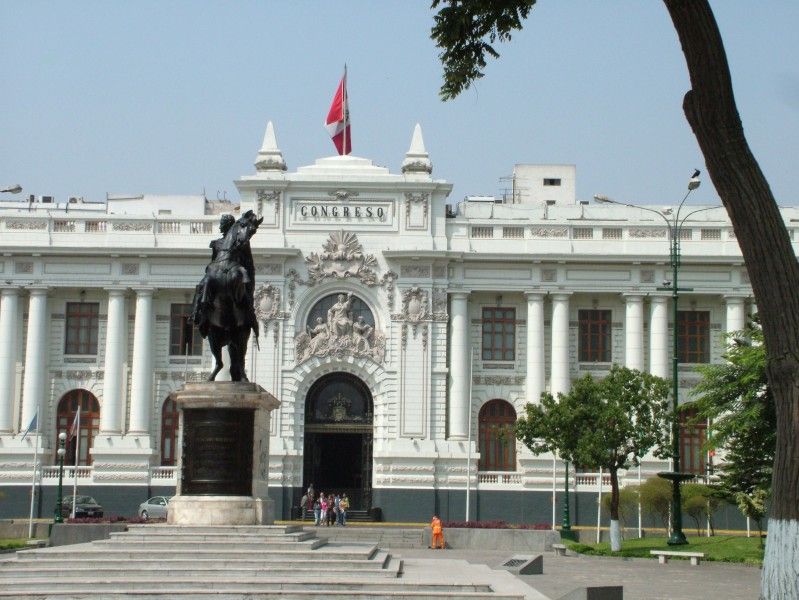
Peru has entered another chapter of political uncertainty following the late-night congressional election of José María Balcázar as president. This marks the eighth change in the nation's highest office within a single decade, a stark indicator of the chronic instability that has defined recent Peruvian politics. The transition was triggered by the abrupt removal of his predecessor, an interim leader who was ousted over corruption allegations after a mere four months in power. This pattern of rapid leadership turnover challenges the foundations of democratic governance and public trust.
A Decade of Political Instability
The election of José María Balcázar is not an isolated event but the latest episode in a prolonged cycle of political crisis. Since 2016, Peru has witnessed a series of presidents impeached, resigning under pressure, or arrested on corruption charges. This environment has created a vacuum of consistent leadership and policy direction, affecting economic planning, social programs, and international relations. The constant state of flux prevents the implementation of long-term strategies needed to address Peru's deep-seated challenges.
The Immediate Predecessor: A Short-Lived Tenure
Balcázar's rise directly results from the downfall of another interim president, who was removed by Congress just one day prior. According to reports from France 24, this ousted leader faced corruption allegations that cut his term short at only four months. This rapid succession highlights how allegations of misconduct have become a recurring mechanism for political change in Peru, often leveraged by a fragmented Congress against the executive branch.
Implications for Peruvian Democracy and Governance
The frequent turnover at the presidential palace carries significant consequences. It erodes institutional stability, creates policy discontinuity, and fosters an environment of short-term political maneuvering over long-term national interest. For citizens, this instability can translate to economic uncertainty and diminished faith in democratic processes. The challenge for President Balcázar will be to navigate a hostile Congress and a skeptical public to establish a semblance of governance and authority.
Looking Ahead: Challenges for the New Administration
President José María Balcázar assumes office under extraordinarily difficult circumstances. His immediate tasks will include forming a viable government, managing a complex relationship with the legislative body that elected him, and addressing the corruption allegations that have become endemic. Furthermore, he must work to restore a measure of public confidence in Peru's political institutions. Whether his administration can break the cycle of instability or become another brief chapter in this turbulent decade remains the central question for Peru's future.