Read on Global News
U.S. Airstrikes in Nigeria: Analyzing the Strike Against Alleged Islamic State Forces
In late December 2025, U.S. President Donald Trump announced a "powerful and deadly strike" against alleged Islamic State forces in Nigeria, marking a significant escalation in U.S. military involvement in the region. The airstrikes, conducted with Nigerian government cooperation, targeted the village of Jabo in Sokoto state, creating panic among local residents who witnessed unprecedented military action. This article examines the diplomatic context behind the strikes, the local impact on Nigerian communities, and the complex security landscape involving groups like Lakurawa and Islamic State West African Province. We explore the implications for U.S.-Nigeria relations and the ongoing challenges of counterterrorism in West Africa.
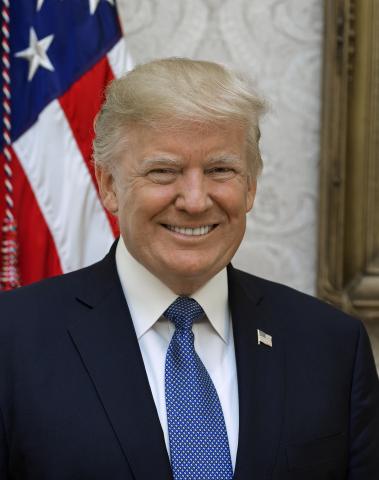
In a significant development in U.S. foreign policy and counterterrorism efforts, President Donald Trump announced late on December 26, 2025, that the United States had launched what he described as a "powerful and deadly strike" against forces of the Islamic State group in Nigeria. This military action represents a notable escalation of direct U.S. involvement in Nigeria's complex security crisis and follows months of diplomatic tension between the two nations. The strikes, conducted with the cooperation of the Nigerian government according to official statements, targeted the northwestern village of Jabo in Sokoto state, creating immediate panic and confusion among local residents who had never experienced such military action in their community.

The Immediate Impact on Nigerian Communities
The airstrikes had a profound and immediate effect on the residents of Jabo village, who described the experience as terrifying and unprecedented. Sanusi Madabo, a 40-year-old farmer, reported hearing a loud noise resembling a plane crash before witnessing the sky glow a bright red that "was almost like daytime" for hours. Other residents, like Abubakar Sani who lives near the explosion site, described intense heat, shaking rooms, and subsequent fires breaking out. The Nigerian government has not released detailed information about casualties or the specific militants targeted, creating what security analyst Bulama Bukarti describes as a dangerous information vacuum that compounds fear and could escalate local tension.
Diplomatic Context and U.S.-Nigeria Relations
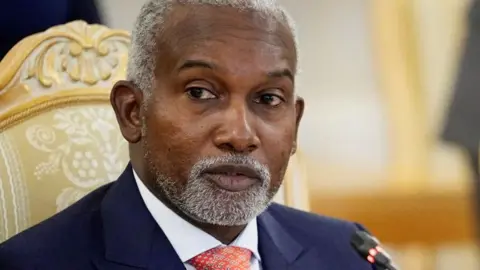
The military action comes after what The Associated Press reports as "a monthslong tense diplomatic clash" between Nigeria and the United States. The Trump administration has previously accused Nigeria of experiencing what it characterizes as a Christian genocide—a claim the Nigerian government has firmly rejected. Despite this tension, Nigeria's Ministry of Foreign Affairs stated that the strikes resulted from "intelligence sharing and strategic coordination" between the two governments. Nigerian Foreign Minister Yusuf Tuggar framed the airstrikes as a "new phase of an old conflict" and indicated expectations of further military actions to follow.
Security Landscape and Targeted Groups
Analysts suggest the strikes may have targeted the Lakurawa group, a relatively new entrant to Nigeria's security challenges that first appeared around 2018. Security researchers have documented this group as primarily consisting of foreign fighters from the Sahel region of Africa, though experts note that proven ties between Lakurawa and the Islamic State remain unestablished. This distinction is important because the Islamic State West African Province (ISWAP), an established ISIS branch in Nigeria, maintains its strongholds in the northeastern part of the country where it's engaged in a power struggle with its parent organization, Boko Haram. The geographical separation between these groups adds complexity to understanding which specific threat the U.S. and Nigeria sought to address.
Local Consequences and Human Impact
Beyond the immediate military objectives, the airstrikes have disrupted daily life and created new vulnerabilities for Nigerian citizens. Village leader Aliyu Garba reported that debris from the strikes scattered through the area, with some residents collecting pieces hoping to find valuable metal to trade—a potentially dangerous activity given the nature of military debris. For 17-year-old Balira Sa'idu, the strikes created personal crisis as she prepared for her wedding, leaving her family afraid and uncertain whether it was safe to proceed with marriage plans in Jabo. These human stories underscore how counterterrorism operations create collateral consequences that extend far beyond their intended targets.
Strategic Implications and Future Outlook
The U.S. airstrikes in Nigeria represent a significant shift in counterterrorism strategy in West Africa and raise important questions about future military and diplomatic engagement. The cooperation between U.S. and Nigerian forces suggests potential for strengthened security partnerships despite previous diplomatic tensions. However, the lack of transparency about targets and outcomes creates challenges for both governments in managing public perception and local security dynamics. As Foreign Minister Tuggar indicated expectations of further strikes, the international community will be watching closely to see how this "new phase" develops and whether it leads to improved security or escalates existing conflicts in Nigeria's complex landscape of armed groups.