Read on PBS News
Epstein Files Expose Deep-Seated Reform Crisis in Britain's House of Lords
The resignation of Lord Peter Mandelson over his ties to Jeffrey Epstein has thrust the UK's unelected House of Lords into a harsh spotlight, intensifying long-standing criticisms of its antiquated structure and weak accountability mechanisms. This scandal has emboldened calls to abolish hereditary peerages, reform the appointment process for life peers, and establish robust ethical standards. The episode underscores the glacial pace of institutional change in British politics, revealing a chamber caught between its historic role and modern democratic expectations.
The recent fallout from the Jeffrey Epstein files has delivered a seismic shock to one of Britain's most venerable institutions: the House of Lords. The forced resignation of former UK ambassador to Washington, Peter Mandelson, from the Lords due to his documented friendship with the late convicted sex offender has ignited a fierce debate about the chamber's legitimacy, ethics, and future. This scandal has acted as a catalyst, exposing deep structural flaws and accelerating calls for sweeping reform of a body many view as an undemocratic relic.
A Chamber Under Scrutiny
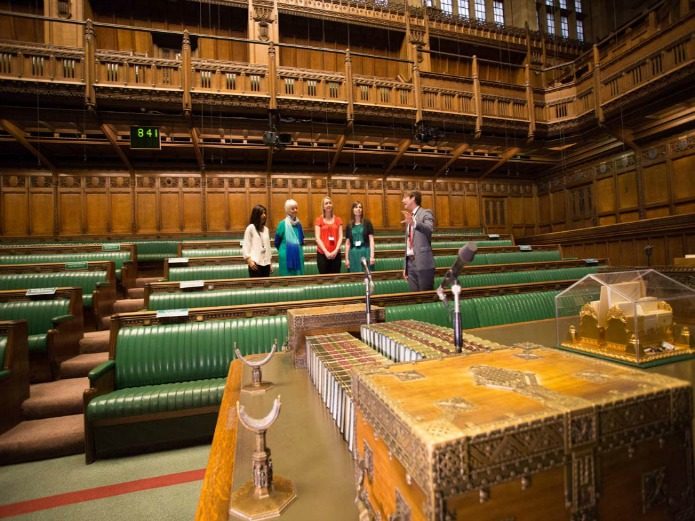
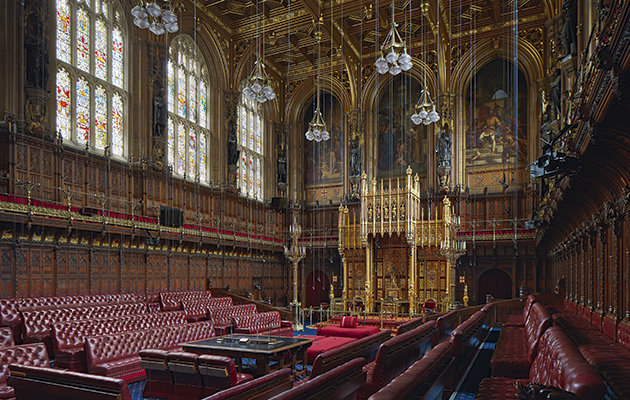
The House of Lords, Parliament's unelected upper chamber, is composed of over 850 members who hold their titles for life. The Mandelson controversy has emboldened critics who argue the institution is fundamentally antiquated and lacks effective mechanisms to police its members' conduct. As reported by the Associated Press via PBS, the episode highlights a system that critics describe as "semifeudal," struggling to reconcile centuries-old traditions with contemporary standards of accountability. The scandal has placed immense pressure on Prime Minister Keir Starmer's government, with anger over the appointments of figures like Mandelson and former chief of staff Matthew Doyle (now Lord Doyle) escalating into a potential leadership crisis.
The Hereditary Peerage Problem
A core anachronism is the continued presence of hereditary peers. In 1999, Tony Blair's Labour government removed most hereditary lords but allowed 92 to remain temporarily as a political compromise. A quarter-century later, they are still there. The current Labour government has introduced legislation to finally oust them, labeling them an "indefensible relic." The hereditary peers have resisted, even forcing a compromise where some may be "recycled" into life peers. Defenders, like Charles Hay, the Earl of Kinnoull, argue hereditary peers often work harder than average. However, their very existence contradicts modern democratic principles, as detailed in the PBS report.

Weak Accountability and the 'Lords-a-Misbehaving'
Historically, the Lords had few tools to address misconduct. High-profile cases like Lord Jeffrey Archer (imprisoned for perjury) and Lord Conrad Black (convicted of fraud) retained their seats because expulsion rules were non-existent. While rules have since changed to allow expulsion for code of conduct breaches or imprisonment, no member has ever been expelled for bad behavior. A few have resigned pre-emptively. Furthermore, even disgraced former members like Mandelson retain their titles and social cachet, as stripping a title requires specific legislation not used since 1917. This lack of consequence undermines public trust.
The Glacial Pace of Reform
Reforming the Lords is notoriously slow. Labour remains committed to replacing it with a more representative chamber, but concrete action is elusive. As Meg Russell, a professor at University College London, notes, "Lords reform is glacial. Things are talked about for decades before they happen." Recent minor steps include a committee to consider an 80-year retirement age. The fundamental issue of appointments remains unresolved: most life peers are chosen by the Prime Minister to reward allies, with no independent quality check. The Epstein scandal has made the need for a rigorous, transparent appointments process undeniable.
A Crossroads for British Democracy
The Epstein files have acted as a stark stress test for the House of Lords, revealing cracks in its foundations. The chamber faces a clear choice: undertake meaningful modernization or risk increasing irrelevance and public scorn. Proposals range from incremental changes like stricter appointment vetting to radical overhauls like replacing the Lords with an elected senate, as advocated by the Green Party. The scandal underscores that in an era demanding transparency and accountability, institutions perceived as opaque and privileged are increasingly vulnerable. The future of the Lords now hinges on whether political will can finally overcome centuries of inertia.