Read on the Guardian
Peru's Political Turmoil: The 'Express Impeachment' of Interim President José Jerí
Peru's interim president, José Jerí, has been removed from office after just four months in a rapid 'express impeachment' vote by the country's congress. The ousting follows the 'Chifagate' scandal, involving secretive meetings with Chinese businessmen, which triggered a collapse in Jerí's popularity and support. This event marks another chapter in Peru's prolonged period of political instability, raising questions about governance and foreign influence just months before scheduled presidential elections.
Peruvian politics has been rocked by another dramatic upheaval with the rapid removal of interim president José Jerí after a mere four months in office. In a swift legislative action dubbed an "express impeachment," lawmakers voted overwhelmingly to oust Jerí, plunging the nation into fresh uncertainty. This event underscores the chronic instability that has plagued Peru's highest office, serving as a case study in how political scandals can swiftly unravel a presidency and alter a nation's trajectory.
The 'Express Impeachment' Vote
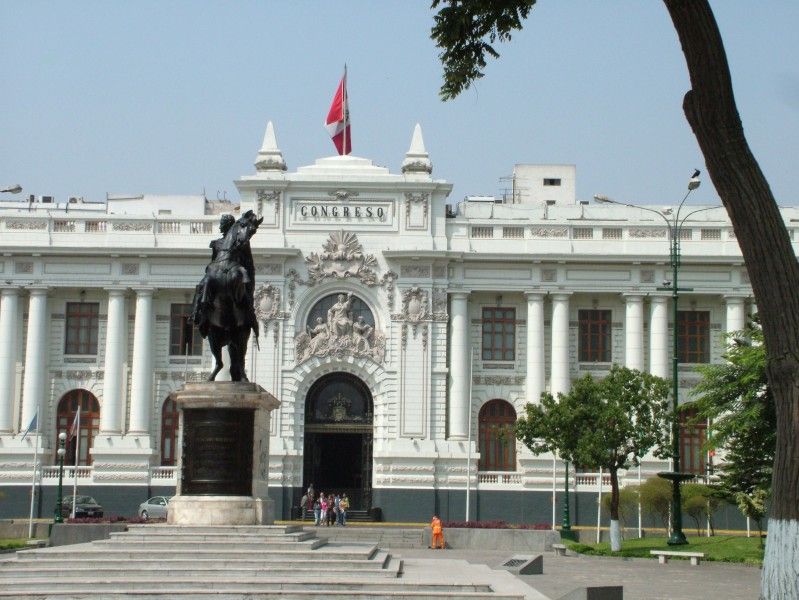
The decisive moment came when Peru's congress voted 75 to 24 to proceed with the removal of José Jerí. This lopsided margin reflected a broad collapse of political support for the interim leader. The term "express impeachment" highlights the unprecedented speed of the process, which bypassed the more protracted procedures typically associated with such constitutional actions. The vote was not merely a legal formality but a political reckoning, signaling that Jerí had lost the confidence of the legislative body essential for governing.
The 'Chifagate' Scandal: Secret Meetings and Fallout
The immediate catalyst for Jerí's downfall was the scandal known as "Chifagate." Security camera footage emerged showing the president in clandestine meetings with Chinese businessmen, including Yang Zhihua (known as "Johnny"), outside his official agenda. In one particularly damaging video, Jerí appeared to try to conceal his identity by wearing a hooded top. These secretive encounters, detailed in reports by The Guardian, raised immediate red flags about transparency and potential influence-peddling.
The scandal triggered a precipitous drop in Jerí's approval ratings. Political parties that had initially backed his interim administration quickly began to distance themselves, especially with presidential election campaigning underway. The controversy also prompted prosecutors to open a preliminary investigation into alleged influence-peddling connected to the meetings.

A Broader Context of Instability and Geopolitics
Jerí's ouster is not an isolated incident but part of a troubling pattern. At 39, he became Peru's eighth president since 2016, a period marked by oustings, resignations, and interim terms. This chronic instability challenges democratic governance and economic planning. Furthermore, the scandal erupted amid a growing geopolitical tug-of-war. The newly appointed U.S. Ambassador to Peru, Bernardo Navarro, criticized "cheap Chinese money," warning about the cost to sovereignty—a remark widely seen as targeting the Chinese-majority-owned Port of Chancay. In response, China's foreign ministry defended its cooperation with Peru, and Peru's foreign ministry publicly reaffirmed strong bilateral ties with China.
Other Controversies and the Path Forward
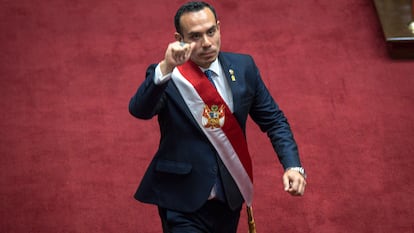
Beyond Chifagate, Jerí faced additional scrutiny for allegedly hiring unqualified young women for government jobs after late-night meetings at the presidential palace, with several accompanying him on official trips. Jerí denied any wrongdoing. With his removal, the acting speaker of congress announced that lawmakers would immediately vote on a successor, creating a precarious transition just months before the scheduled April presidential elections. This rapid succession crisis leaves Peru navigating both deep domestic political fractures and complex international relations.
Conclusion: Implications for Peruvian Democracy
The express impeachment of José Jerí represents more than a change in personnel; it is a symptom of Peru's profound political fragility. The swift collapse of an interim presidency over a scandal involving foreign business dealings highlights vulnerabilities in governance and accountability. As Peru stumbles toward another election, the enduring questions of stability, transparency, and sovereignty will dominate the national conversation. The event serves as a stark reminder of how quickly political capital can evaporate and how external influences can become entangled with domestic crises, shaping the future of a nation at a crossroads.