Read on Global News
Punch the Macaque: Understanding Animal Welfare and Social Integration in Zoos
The story of Punch, a Japanese macaque abandoned at birth and raised with a stuffed orangutan toy at Ichikawa City Zoo, offers a poignant case study in modern animal husbandry and welfare. This article explores the zoo's compassionate intervention, the challenges of social integration for hand-reared primates, and the broader implications for wildlife conservation. We examine how surrogate comfort objects can support psychological development and the complex process of introducing an orphaned animal back into its social troop, highlighting the resilience and learning observed in Punch's journey.
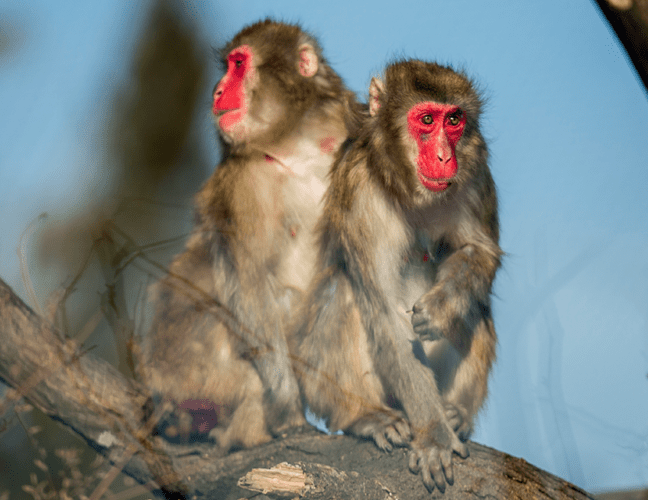
The heartwarming yet complex story of Punch, a baby Japanese macaque at Ichikawa City Zoo, transcends a simple viral video to illuminate critical practices in contemporary zoological care. Abandoned by his mother shortly after birth in July 2025, Punch was raised by dedicated zoo staff who provided a unique form of comfort: a stuffed orangutan toy. This plush surrogate served as a crucial emotional anchor for the infant monkey, a common practice in animal husbandry to provide security and simulate maternal presence for orphaned young. The subsequent viral footage of Punch interacting with—and being disciplined by—his troop offers a rare public window into the nuanced and challenging process of social integration for hand-reared animals.

The Role of Surrogate Comfort in Animal Welfare
Providing surrogate comfort objects to orphaned or rejected young animals is a well-established practice in accredited zoos and rehabilitation centers. For Punch, the stuffed orangutan was not merely a toy but a vital tool for psychological development. As reported by Global News, the zoo explicitly stated the plushie was given "to serve as a surrogate mother and provide comfort" for the seven-month-old macaque. This intervention addresses a fundamental need for tactile comfort and security, which is essential for normal behavioral development in social primates. Without such interventions, hand-reared animals can develop abnormal behaviors, heightened stress, and difficulties forming social bonds later in life.

The Challenge of Social Integration
The ultimate goal for Punch, as for any hand-reared animal in a social species, was successful integration into his natal troop. This process is delicate and fraught with challenges, as evidenced by the viral video showing an older macaque dragging Punch. According to the zoo's detailed statement, this interaction occurred after Punch attempted to communicate with another infant in the troop and was subsequently "scolded and dragged by an adult monkey," likely the other infant's mother. The zoo interpreted this not as severe aggression but as a form of social correction, a natural part of troop dynamics where adults teach boundaries to juveniles.
Learning Through Social Correction
The zoo emphasized that Punch had been "scolded by other monkeys many times in the past and has learned how to socialize with them." This disciplinary behavior is a normal mechanism in primate societies for enforcing social rules and hierarchy. Importantly, the zoo noted that "no single monkey has shown serious aggression towards him," indicating that the interactions, while sometimes rough from a human perspective, were within the bounds of typical social education. Following the dragging incident, Punch was observed running to his stuffed orangutan for brief comfort before re-engaging with the troop, demonstrating both his reliance on the surrogate and his resilience.
Zoo Management and Public Education
The case of Punch highlights the dual role of modern zoos: expert animal management and proactive public education. The Ichikawa City Zoo anticipated integration challenges and was transparent about the process, using Punch's story to educate the public on complex animal behavior. In their statement, they urged observers to "support Punch’s effort rather than feel sorry for him," reframing the narrative from one of pity to one of respect for the animal's learning journey. This approach fosters a more nuanced public understanding of wildlife, moving beyond anthropomorphism to appreciate species-specific social structures and developmental needs.
Broader Implications for Conservation
While Punch's story is set within a zoo, the principles it demonstrates have relevance for in-situ wildlife conservation. Rehabilitation programs for orphaned primates often face identical challenges when preparing individuals for release into wild groups. Understanding the importance of surrogate comfort during early development and the necessity of learning social rules through controlled interaction is vital for success. Punch’s journey underscores the commitment required for the long-term care and social nurturing of individual animals, a commitment that underpins both zoo-based conservation breeding programs and field-based rescue efforts.
The tale of the baby macaque and his stuffed orangutan is more than a momentary internet sensation. It is a testament to the thoughtful, science-based care provided by modern zoological institutions and a compelling lesson in the resilience of animals. It reminds us that integration into a complex social world is a process of trial, error, and learning—a process that Punch, with the support of his caretakers and his plush companion, is navigating with notable strength. His story continues to evolve, offering valuable insights into animal behavior, welfare, and the compassionate intersection of human care and natural social dynamics.