Geneva Peace Talks: Russia-Ukraine Negotiations Focus on Territorial Concessions
Delegations from Russia and Ukraine are meeting in Geneva for a new round of peace talks, with the Kremlin indicating the primary focus will be on territorial issues. The negotiations come as the conflict approaches its fourth anniversary, with Russia demanding Ukraine cede remaining portions of the Donetsk region. Ukrainian officials express skepticism about Russian intentions, citing continued military strikes even as diplomatic efforts proceed. The talks represent another attempt to find a diplomatic solution to Europe's deadliest conflict since World War II.
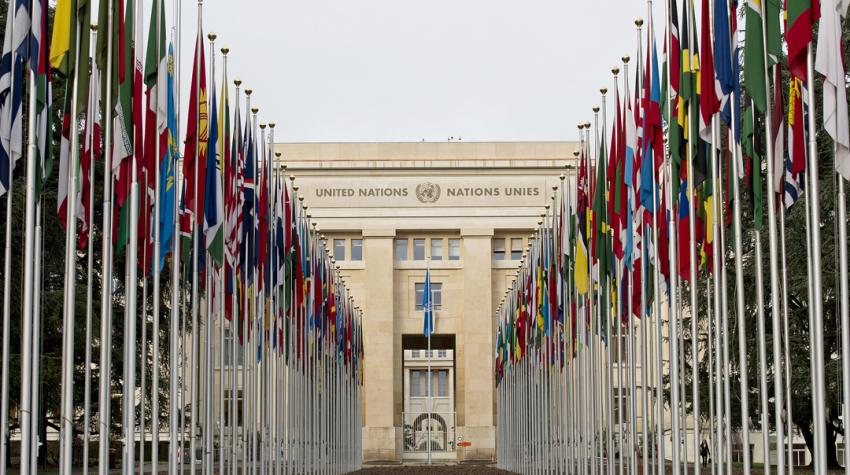
As the Russia-Ukraine war approaches its fourth anniversary, diplomatic efforts intensify with a new round of peace talks scheduled in Geneva. The negotiations, set to begin on Tuesday, February 17, 2026, come at a critical juncture in Europe's deadliest conflict since World War II. According to Al Jazeera reports, the two-day talks will focus primarily on territorial issues, with Russia demanding significant concessions from Ukraine regarding occupied regions.
Territorial Demands at the Heart of Negotiations
The central issue dominating the Geneva talks involves territorial control, particularly in eastern Ukraine. Russia is demanding that Kyiv cede the remaining 20 percent of the Donetsk region that Moscow has failed to capture through military means. This demand represents a significant sticking point, as Ukrainian officials have consistently refused to surrender territory through diplomatic negotiations. The Kremlin's position reflects its broader objective of securing control over strategic areas it considers vital to Russian security interests.
Kremlin spokesman Dmitry Peskov emphasized the importance of territorial issues in pre-talks statements, telling reporters that "the main issues concern both the territories and everything else related to the demands we have put forward." This clear focus on territorial concessions sets the stage for what promises to be challenging negotiations, given Ukraine's firm position against ceding sovereign territory. The talks come as Russia currently occupies approximately one-fifth of Ukraine, including Crimea and parts of the eastern Donbas region seized before the 2022 invasion.

Diplomatic Context and International Pressure
The Geneva talks represent the third round of negotiations this year, following earlier meetings in Abu Dhabi that failed to produce significant breakthroughs. Unlike previous sessions, these talks are expected to cover a broader range of issues, though territorial matters remain paramount. The negotiations are being held behind closed doors with no media presence, reflecting the sensitive nature of the discussions and the potential for significant diplomatic maneuvering.
International pressure, particularly from the United States, adds another layer of complexity to the negotiations. President Donald Trump has been increasingly vocal about pushing for a resolution to the conflict, recently stating that "Ukraine better come to the table, fast" when asked about the Geneva talks. This pressure has reportedly created tension between Washington and Kyiv, with Ukrainian President Volodymyr Zelenskyy complaining that his country faces the greatest pressure from the United States to make concessions. The U.S. delegation to the talks includes envoys Steve Witkoff and Jared Kushner, who are also participating in separate negotiations with Iran in Geneva.
Ukrainian Position and Military Realities
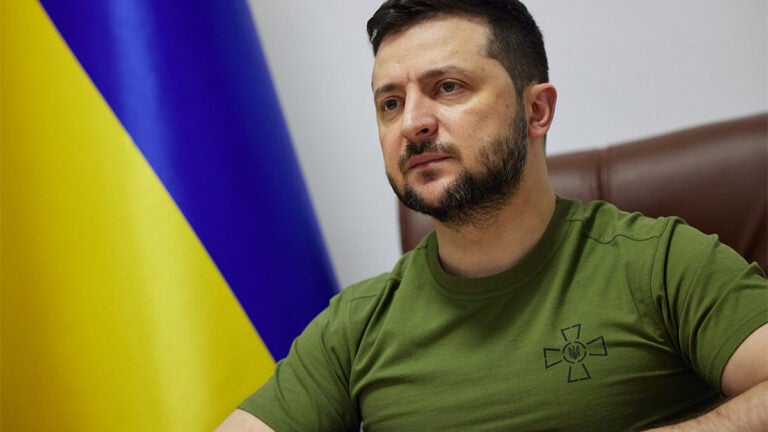
Ukrainian officials approach the Geneva talks with considerable skepticism about Russian intentions. President Zelenskyy noted in a social media statement that "even on the eve of the trilateral meetings in Geneva, the Russian army has no orders other than to continue striking Ukraine. This speaks volumes about how Russia regards the partners' diplomatic efforts." This disconnect between ongoing military operations and diplomatic negotiations presents a significant challenge to achieving meaningful progress.
Ukraine's delegation, led by Rustem Umerov, Secretary of Ukraine's National Security and Defence Council, maintains that the country's goal remains "a sustainable and lasting peace." However, Ukrainian officials emphasize that such peace can only be achieved "with sufficient pressure on Russia and clear security guarantees for Ukraine." This position reflects Ukraine's broader strategy of seeking robust security commitments from Western allies while resisting territorial concessions that would compromise its sovereignty and strategic position.
Delegation Composition and Expectations
The Russian delegation to the Geneva talks will be led by Vladimir Medinsky, an aide to President Vladimir Putin, with military intelligence chief Igor Kostyukov also participating. The inclusion of Kostyukov suggests that military considerations will feature prominently in Russia's negotiating position. According to Moscow-based political scientist Vladmir Sotnikov, the Russian team will consist of approximately 20 people, significantly larger than delegations in previous negotiation rounds. Sotnikov noted that "the Russian intentions are serious" and suggested that domestic factors, including war fatigue among the Russian population, may be influencing Moscow's approach to the talks.
Despite the larger delegation and apparent seriousness of Russian intentions, expectations for a breakthrough remain low. Ukrainian negotiators have previously accused Medinsky of using historical narratives to justify Russia's invasion, creating an atmosphere of distrust that complicates diplomatic efforts. Additionally, the two sides remain far apart on several critical issues beyond territory, including control of the Zaporizhzhia nuclear power plant and the potential role of Western troops in post-war Ukraine.
Conclusion: The Path Forward
The Geneva peace talks represent another attempt to find a diplomatic solution to a conflict that has claimed tens of thousands of lives, displaced millions, and devastated numerous Ukrainian communities. While the focus on territorial issues reflects the core dispute between Russia and Ukraine, the success of these negotiations will depend on numerous factors, including the willingness of both sides to compromise, continued international pressure, and the evolving military situation on the ground.
As the talks proceed, the international community will be watching closely for any signs of progress toward ending Europe's deadliest conflict in decades. Whether these negotiations will produce meaningful results or simply represent another chapter in the ongoing diplomatic struggle remains to be seen, but their outcome could have significant implications for European security and the broader international order.