Read on bbc.com
The Stalemate in Syria: Australian IS Families' Failed Repatriation Attempt
A group of 34 Australian women and children, detained for nearly seven years in Syria's Roj camp due to family links to the Islamic State group, experienced a brief and aborted release. After being handed over to family members and boarding transport to Damascus, they were forced to return to the camp for 'technical reasons,' highlighting the complex legal, logistical, and political barriers to repatriation. This incident underscores the ongoing humanitarian and security dilemma faced by Australia and other nations regarding thousands of foreign nationals still held in Syrian detention camps.
The plight of foreign nationals detained in Syrian camps represents one of the most protracted and politically charged humanitarian crises stemming from the collapse of the Islamic State (IS) caliphate. A recent, failed attempt at repatriation for a group of Australian women and children from the Roj camp has brought this complex issue back into sharp focus. This article examines the circumstances of their aborted release, the broader context of the detention camps, and the multifaceted challenges—legal, logistical, and political—that continue to prevent a resolution for thousands of individuals, primarily women and children, who remain in limbo years after the territorial defeat of IS.
The Aborted Release of Australian Detainees
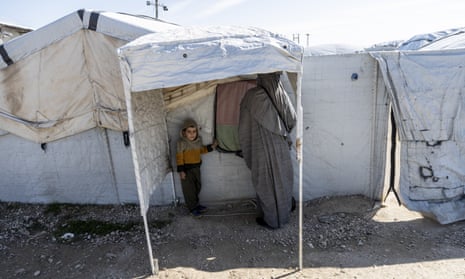
On a recent Monday, a group of 34 Australian women and children held in the Roj detention camp in northern Syria were unexpectedly released. According to reports from Reuters, cited by the BBC, the individuals were handed over to family members who had traveled to Syria for the purpose. They boarded minibuses with a military escort, beginning a journey intended to take them to Damascus and, ultimately, to Beirut where they hoped to obtain passports. However, this movement toward freedom was short-lived. For unspecified "technical reasons," the entire group was forced to turn back and return to the Roj camp, leaving their future once again uncertain.
Australian media has suggested the failure may stem from a lack of coordination between the various factions governing the region, highlighting the immense logistical hurdles involved in any repatriation effort from a conflict zone. The Australian government's official stance has been consistent: it refuses to facilitate official repatriations from Syria. A government statement reiterated that while security agencies monitor the situation, any citizens who return independently and are found to have committed crimes will face the full force of Australian law. This position creates a paradoxical situation where the government acknowledges an obligation to issue passports to citizens at an embassy but will not act to bring them to one.

Life and Peril in the Roj Camp
The Roj camp is not an isolated case but part of a network of facilities holding those associated with IS. It is home to more than 2,000 individuals from approximately 40 different nationalities, most of whom are women and children. They have been detained since 2019, when IS lost its last territorial foothold in Syria. Camp director Hakmiyeh Ibrahim, in an interview with the Australian Broadcasting Corporation (ABC), issued a plea to all nations, stating, "take your citizens, take these children and women." She warned of the deteriorating conditions, noting that children are growing up surrounded by "dangerous ideas and ideologies," and that the situation becomes more complicated with each passing year.
The camp's population includes high-profile cases like Shamima Begum, the British woman who was stripped of her citizenship on national security grounds in 2019. Her case, and the UK government's continued defense of its decision, mirrors the political difficulties Australia faces. The humanitarian argument for repatriation, especially concerning children born into the conflict, clashes with domestic political concerns about national security and public backlash.
The Broader International Impasse
The Australian case is a microcosm of a global stalemate. Many foreign governments have similarly refused to repatriate their citizens from Syrian camps, citing security risks and the challenge of prosecuting crimes committed in war zones. This has created a legal and ethical vacuum. While nations assert their right to protect their borders, they simultaneously outsource the long-term detention of their citizens to non-state actors and local authorities in a destabilized region, with minimal judicial oversight or access to consular services.
Previous repatriations have occurred but are often contentious. In 2022, Australia repatriated four women and 13 children from the Roj camp to Sydney, a move that sparked significant domestic criticism. These precedents show that while repatriation is logistically possible, it is politically fraught. The European Court of Human Rights (ECHR) has介入, calling for investigations into cases like Begum's, indicating growing international legal pressure on governments to address the status of their detained nationals.

Conclusion: An Unsustainable Status Quo
The failed repatriation attempt of the 34 Australians underscores the unsustainable nature of the current situation. The Roj camp and others like it are not long-term solutions; they are holding facilities mired in legal ambiguity and humanitarian distress. Children are spending their formative years in these environments, a fact that camp officials argue poses its own long-term security risk. The "technical" failure that forced the group back to Roj symbolizes the larger breakdown: a lack of international coordination, clear legal pathways, and political will to resolve a crisis that is now seven years old. Until nations like Australia develop coherent, lawful policies that balance security imperatives with human rights obligations, these citizens will remain trapped in a Syrian limbo, and episodes of false hope will continue to punctuate their indefinite detention.