Read on bbc.com
Cameroon Soldiers Sentenced in Rare Conviction for Civilian Killings
In a rare judicial development, three Cameroonian soldiers have received prison sentences ranging from five to ten years for their roles in the 2020 killing of at least 21 civilians in the Northwest region. The convictions for murder, arson, and destruction mark an unusual occurrence in a conflict where military personnel are seldom held accountable. While the government's acknowledgment of the atrocities represents a shift, victims' lawyers have expressed disappointment with the 'insignificant' sentences, highlighting ongoing tensions in the nearly decade-long Anglophone separatist conflict that has claimed thousands of lives.
In a significant but controversial legal development, a military court in Cameroon has handed down prison sentences to three soldiers for their involvement in the killing of civilians in the country's troubled Anglophone region. This rare conviction represents a departure from the typical impunity enjoyed by military personnel in the long-running conflict, though it has sparked debate about the adequacy of justice served. The case centers on the February 2020 massacre in Ngarbuh village, where at least 21 civilians, including 13 children, lost their lives during a military operation.

The Ngarbuh Massacre and Legal Proceedings
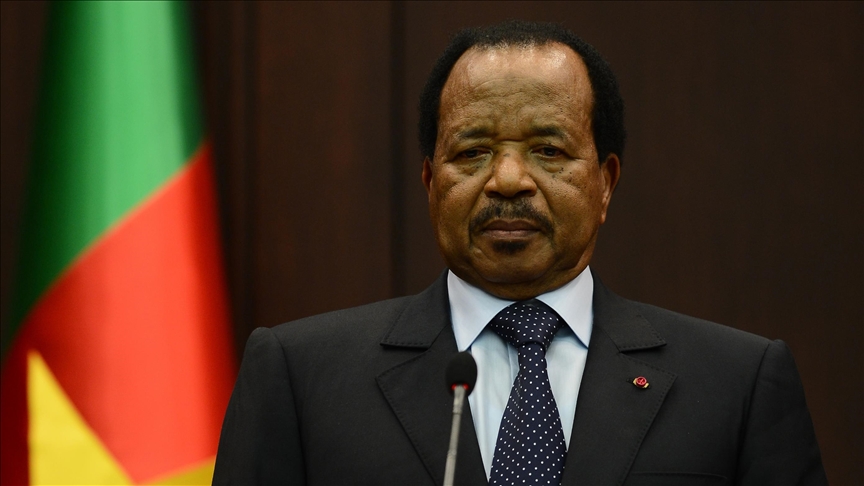
The convictions stem from events on February 14, 2020, when Cameroonian soldiers, supported by a local Fulani militia, raided Ngarbuh village in the Northwest region. According to BBC reporting, the assailants killed civilians, burned homes, and beat residents in an attack that initially saw government denial before international pressure prompted an investigation ordered by President Paul Biya. The military court found the soldiers guilty of murder, arson, and destruction after a legal process that spanned six years with multiple postponements.
Sentencing and Legal Controversy
The jail terms handed down on Thursday range from five to ten years per soldier, with an additional militia member receiving a sentence for the same crimes. Victims' lawyers have expressed strong dissatisfaction with what they consider lenient punishments. Lawyer Sother Menkem told the BBC that "the sentence was so mild, I even qualify it as friendly because we are talking of a massacre." He noted that under Cameroonian law, the minimum sentence for felonies like murder and arson is ten years, expressing expectations of at least thirty years' imprisonment given the severity of the crimes.
Broader Context of the Anglophone Conflict
This case unfolds against the backdrop of a nearly decade-long separatist conflict in Cameroon's two English-speaking regions. Since 2017, rebel groups have been campaigning for a breakaway state, leading to widespread violence that has killed at least 6,000 people and displaced over half a million, according to UN estimates. Human rights organizations have documented abuses committed by both separatist fighters and state forces throughout the conflict. The Ngarbuh convictions represent a rare instance of government acknowledgment of military atrocities in this protracted struggle.
Limitations and Unanswered Questions
Despite the symbolic importance of the convictions, significant limitations remain. The military court rejected victims' demands for compensation, a decision criticized by their legal representatives. Furthermore, Human Rights Watch and victims' lawyers have insisted that the soldiers were acting under orders from superiors, yet no senior military officers faced prosecution in this trial. This raises questions about the extent of accountability being pursued. The case also highlights the ongoing security challenges in the region, with one attack survivor telling the BBC he had moved out of the conflict area for safety reasons.
Conclusion: A Step Toward Justice?
The sentencing of Cameroonian soldiers for civilian killings represents a potentially significant development in a conflict marked by widespread impunity. While the convictions break from the pattern of military personnel escaping accountability, the perceived leniency of the sentences and the failure to prosecute commanding officers suggest limitations in the pursuit of comprehensive justice. As the Anglophone conflict continues with no clear resolution in sight, this case may establish a precedent for future accountability measures, though its ultimate impact on the conflict's trajectory and civilian protection remains uncertain. The international community will likely monitor whether this represents a genuine shift toward greater military accountability or remains an isolated exception in a protracted humanitarian crisis.