Read on Global News
Hurricane Melissa Strengthens, Threatening Catastrophic Flooding Across Northern Caribbean
Storm Melissa has intensified into a hurricane with 75 mph winds, posing severe threats to Jamaica and the northern Caribbean region. The slow-moving storm is expected to bring catastrophic rainfall of up to 25 inches in Jamaica and 35 inches in southwestern Haiti, triggering life-threatening flooding and landslides. Authorities have issued hurricane warnings and activated emergency shelters as the storm continues to strengthen, with forecasts predicting it could reach Category 4 status by early next week.
Hurricane Melissa has rapidly intensified into a dangerous storm system, threatening catastrophic flooding and landslides across the northern Caribbean region. The storm reached hurricane strength on Saturday with maximum sustained winds of 75 mph, prompting immediate emergency responses across multiple nations as forecasters warn of potentially devastating impacts from prolonged heavy rainfall and destructive winds.
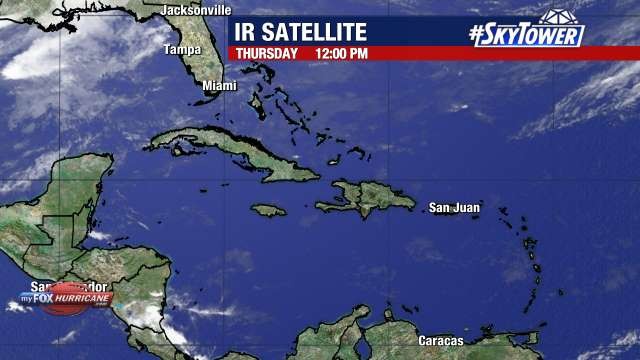
Current Storm Status and Projections
According to the U.S. National Hurricane Center, Hurricane Melissa was located approximately 145 miles southeast of Kingston, Jamaica, and 235 miles southwest of Port-au-Prince, Haiti as of Saturday afternoon. The storm is moving slowly west-northwest at just 1 mph, a concerning pace that significantly increases the duration of its impact on affected areas. Forecasters predict rapid intensification, with Melissa expected to become a major hurricane by Sunday and potentially reach Category 4 status by early Monday.
Emergency Preparations and Warnings
Authorities across the Caribbean have implemented comprehensive emergency measures in response to the hurricane threat. Jamaica has activated a hurricane warning, indicating that winds of at least 74 mph are expected within 36 hours. Prime Minister Andrew Holness urged citizens to take the weather threat seriously, stating "Take all measures to protect yourself." More than 650 shelters have been activated across the island, with warehouses well-stocked and thousands of food packages prepositioned for rapid distribution if needed.

Regional Impacts and Concerns
The slow-moving nature of Hurricane Melissa presents particularly severe risks for multiple Caribbean nations. The U.S. National Hurricane Center forecasts torrential rainfall of up to 25 inches in Jamaica and up to 35 inches in the Tiburon peninsula of southwestern Haiti through Monday. Similar heavy rainfall is expected in southern regions of the Dominican Republic. This prolonged precipitation significantly increases the risk of catastrophic flash flooding, landslides, and infrastructure damage across the region.
Humanitarian Consequences
The storm has already claimed lives and caused significant damage in its early stages. Haitian authorities report three fatalities and five injuries due to a collapsed wall, with additional reports of rising river levels, flooding, and destroyed infrastructure in Sainte-Suzanne. In the Dominican Republic, the storm has damaged nearly 200 homes, knocked out water supply systems affecting over half a million customers, and left more than two dozen communities isolated by floodwaters.

Broader Regional Implications
The Bahamas Department of Meteorology has indicated that Melissa could bring tropical storm or hurricane conditions to islands in the Southeast and Central Bahamas and the Turks and Caicos Islands by early next week. The storm is forecast to hit eastern Cuba by early Wednesday, where up to 12 inches of rainfall could accumulate in some areas. As the 13th named storm of the Atlantic hurricane season, Melissa aligns with predictions from the U.S. National Oceanic and Atmospheric Administration, which had forecast an above-normal season with 13 to 18 named storms.
The combination of slow movement, rapid intensification, and extreme rainfall projections makes Hurricane Melissa a particularly dangerous weather system for the Caribbean region. Emergency management officials emphasize that preparation should be completed immediately, as the storm's multi-day impact could result in damaging winds, catastrophic flooding, landslides, prolonged power and communication outages, and isolation of affected communities.