Read on France 24
Analyzing the Stalemate: US-Mediated Ukraine-Russia Peace Talks in Geneva
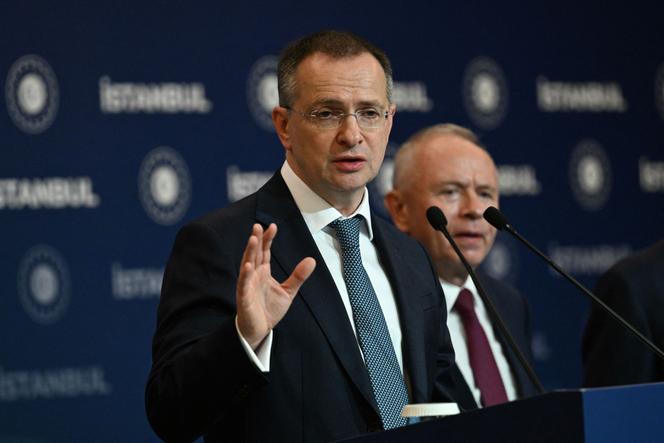
The first day of US-mediated peace talks between Ukrainian and Russian negotiators concluded in Geneva without significant progress toward ending Europe's deadliest conflict since World War II. Analyst John Lough suggests both sides may be engaging in diplomatic theater, performing for an audience that includes former President Donald Trump. This article examines the dynamics of these negotiations, the strategic posturing involved, and the complex geopolitical landscape that continues to hinder a resolution to the ongoing war.
The pursuit of peace in Ukraine entered a new diplomatic chapter this week as Ukrainian and Russian negotiators convened in Geneva for US-mediated talks. The first day of discussions concluded on Tuesday with no clear indications of breakthrough, maintaining the grim status quo of Europe's most devastating conflict since the Second World War. This analysis delves into the strategic calculus behind the negotiations, the role of international mediation, and the perception that both parties may be engaged in a carefully orchestrated performance for specific political audiences.

The Geneva Negotiations: A Diplomatic Stalemate
The talks in Geneva represent the latest attempt to find a diplomatic off-ramp for a war that has entered its fourth year. Facilitated by the United States, the negotiations are a critical test of whether dialogue can yield tangible results where previous efforts have failed. The lack of immediate progress reported after the first day underscores the deep-seated divisions and mutual distrust that characterize the conflict. Both sides arrived with entrenched positions regarding territorial sovereignty, security guarantees, and post-war arrangements, making compromise exceptionally difficult.
Strategic Posturing and Political Theater
According to analysis by John Lough, Head of Foreign Policy at the New Eurasian Strategies Centre, the negotiations may involve an element of political performance. In an interview with FRANCE 24, Lough suggested that both Ukraine and Russia could be "putting up a performance for president Trump," indicating that domestic political considerations in the United States are influencing the diplomatic theater. This perspective highlights how international conflicts are often shaped by the internal politics of key mediating nations, with actors tailoring their public diplomacy to appeal to specific foreign leaders or constituencies.

The Complex Geopolitical Landscape
The Geneva talks occur within a multifaceted geopolitical context that extends far beyond the immediate battlefield. The involvement of the United States as a mediator adds another layer of complexity, particularly given the upcoming US presidential election and the potential return of Donald Trump to office. Both Kyiv and Moscow are likely calculating how their positions today will be perceived by a possible future Trump administration, which has historically expressed ambivalence toward traditional NATO alliances and shown willingness to engage directly with Russia.
The Challenge of Sustainable Peace
Achieving a sustainable peace agreement requires addressing fundamental issues that have proven intractable throughout the conflict. These include the status of occupied territories, security arrangements for Ukraine that satisfy both its sovereignty concerns and Russia's perceived security interests, and mechanisms for reconstruction and reconciliation. The Geneva talks face the monumental task of bridging these gaps while accounting for the war's profound human cost and the political realities in capitals from Washington to Brussels.
The continuation of talks for a second day suggests that neither side is willing to abandon the diplomatic process entirely, even if immediate breakthroughs seem unlikely. This persistence itself is significant, as it maintains a channel of communication that could prove vital during future crises or shifts in the military or political landscape. The international community watches closely, aware that the outcome in Geneva will have profound implications for European security and the global order.