Read on PBS News
The Lingering Fear: How Minnesota's Immigration Crackdown Affects Legal Residents
Months after a major federal immigration operation in Minnesota, a climate of fear persists within immigrant communities, including among those who entered the United States legally. Despite a reduction in enforcement agents, reports indicate that refugees and individuals on the path to citizenship face detention, legal challenges, and an increasingly narrow path to permanent status. This article examines the fallout from Operation Metro Surge and Operation PARRIS, exploring the human impact and legal ramifications for Minnesota's immigrant population.
The landscape of immigration enforcement in Minnesota has undergone a seismic shift, leaving a profound and lasting impact on communities across the state. While the visible presence of federal agents may have diminished, an atmosphere of anxiety and uncertainty continues to grip many immigrants, challenging the very notion of security for those who followed legal pathways to enter the country. This enduring fear underscores a complex and contentious chapter in U.S. immigration policy, with Minnesota serving as a focal point for national debates on enforcement, refugee rights, and the path to citizenship.
Operation Metro Surge and Its Aftermath
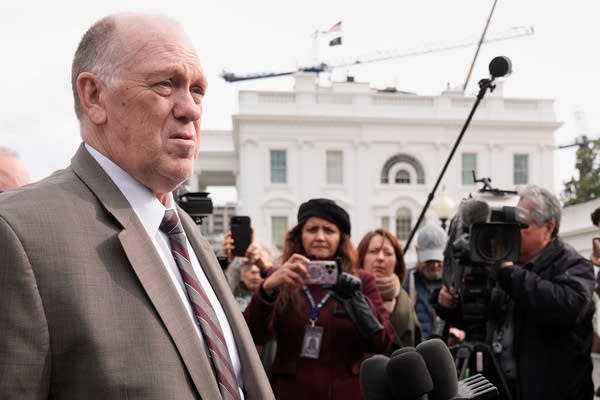
Initiated as a targeted effort to remove individuals deemed threats to public safety, Operation Metro Surge was described by the Trump administration as an operation against the "worst of the worst." However, the enforcement actions quickly expanded in scope, generating widespread concern among immigrant advocates and community leaders. The operation's intensity, coupled with public statements from officials like White House Border Czar Tom Homan promising "mass deportation," signaled a dramatic escalation in enforcement tactics within the state.
The psychological impact of such a large-scale operation cannot be overstated. Even after the number of active agents dwindled, the memory of home visits, workplace raids, and public arrests created a chilling effect. Communities that once felt relatively secure began to question their standing, regardless of their documentation status. This environment has made daily life precarious for many, affecting everything from simple errands to attending mandatory appointments with immigration officials.
The Targeting of Legal Refugees: Operation PARRIS
A particularly alarming development for advocates was the launch of Operation PARRIS, a program that specifically targeted refugees who had entered the United States legally but had not yet obtained permanent residency (green cards). This initiative involved the reexamination of approximately 5,600 refugees in Minnesota, a group that undergoes extensive vetting before admission to the country. The policy represented a significant departure from previous practices, where legally admitted refugees were generally allowed to proceed through the system without such intrusive re-investigations.
Reports soon emerged of refugees being arrested at their homes or when they appeared for scheduled appointments at Immigration and Customs Enforcement (ICE) offices after receiving official notices. These actions prompted immediate legal challenges. Refugee advocates, including human rights activist Seo Gia Vang, argued that refugees represent one of the most rigorously screened immigrant groups and that the government was failing to uphold its promises of protection. In late January, a federal judge issued a temporary restraining order to halt the arrest and detention of refugees in Minnesota, providing a brief respite from the enforcement actions.
Personal Narratives of Detention and Fear
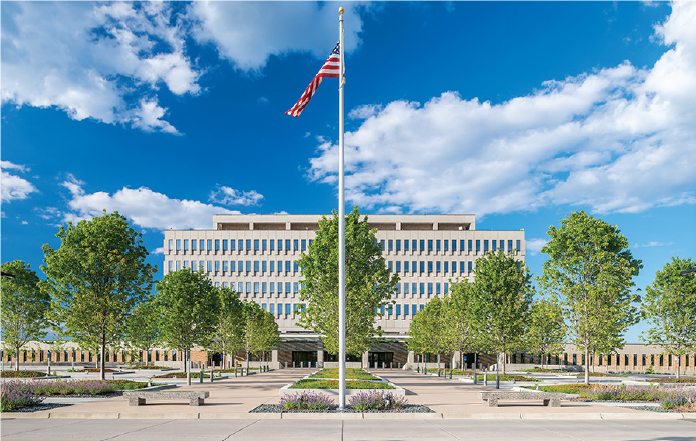
The human cost of these operations is vividly illustrated by individual stories. One refugee, identified only as "Jay" to protect his safety, recounted a harrowing experience after arriving legally in the U.S. in late 2024. After receiving a letter requesting an interview about his status, Jay complied, taking time off work to appear at the Whipple Federal Building near Minneapolis. Instead of a routine interview, he was handcuffed, detained, and eventually flown to a detention facility in Texas with little explanation.
Jay described conditions in detention as deplorable, with insufficient food, water, and sanitation, and individuals sleeping on floors. He spent 14 days in custody before a judge ordered his release, an experience that shattered his sense of hope and security. His primary concern was for his family, particularly his daughter who repeatedly asked when he was coming home. Jay's case is not isolated; it reflects a pattern where individuals who followed all legal procedures found themselves subjected to detention practices typically reserved for those with criminal records.
Legal Challenges and Changing Standards
The crackdown has generated an unprecedented volume of litigation in Minnesota. Immigration attorney Paschal Nwokocha reported that more than 1,000 wrongful detention lawsuits were filed in federal court in a matter of months—a figure three times higher than the total filed over the previous eight years. This litigation surge indicates both the scale of the enforcement actions and the perceived overreach by immigration authorities.
Beyond detention practices, the path to citizenship itself has become more arduous. Laura Cooper, a retired law professor who helps immigrants prepare for citizenship tests at the International Institute of Minnesota, noted significant changes in both the examination process and the standards for demonstrating "good moral character." Previously minor infractions like traffic violations, once resolved with payment of a fine, now potentially jeopardize citizenship applications. More concerning are reports that immigration officials may interview neighbors about applicants' community standing, potentially allowing subjective opinions about lawn maintenance or snow removal to influence major life decisions.

Policy Shifts and Community Response
The Department of Homeland Security (DHS) has defended its actions as necessary enforcement of existing laws. In a statement to PBS NewsHour, a USCIS spokesperson argued that pursuing individuals without permanent status was "not novel or discretionary" but rather "a clear requirement in law," asserting that the alternative would allow "fugitive aliens to run rampant through our country with zero oversight." This position represents a significant hardening of policy toward refugees who have not yet completed the green card process.
Community advocates and organizations like the International Refugee Assistance Project have condemned these measures as a dramatic break from past practice. Mevlude Akay Alp of the project expressed concern about the administration's claim of authority to "indefinitely detain people who have legal status." This tension between enforcement priorities and humanitarian protections continues to define the immigration debate in Minnesota and beyond.
Conclusion: An Uncertain Future
The situation in Minnesota serves as a microcosm of broader national tensions surrounding immigration policy. While enforcement operations may have technically concluded, their legacy of fear persists, particularly among legal immigrants and refugees who now question the stability of their status in America. The narrowing path to citizenship, coupled with aggressive detention practices, has created what many describe as a hostile environment for immigrants who have followed all legal protocols.
For individuals like Jay, the future remains uncertain. Despite his desire to "obey the law" and continue pursuing permanent status for the sake of his daughters' education, the trauma of detention has cast a long shadow. As Minnesota continues to grapple with the fallout from these operations, the fundamental question remains: How can a nation balance legitimate enforcement concerns with its historical commitment to providing refuge and opportunity to those fleeing persecution? The answer to this question will determine not only the future of Minnesota's immigrant communities but also the character of American immigration policy for years to come.