Deadly Drone Strikes in Sudan: A Humanitarian Crisis Deepens
Recent drone attacks on civilian sites in Sudan have resulted in significant loss of life, highlighting the escalating humanitarian crisis in the conflict-ridden nation. A strike on a transport truck in West Kordofan killed 52 people, while another attack on a school-health center complex in White Nile state claimed 17 lives. These incidents underscore the devastating impact of modern warfare on non-combatants and the severe strain on Sudan's limited medical infrastructure, as fighting between the army and paramilitary forces continues to displace millions.
The conflict in Sudan has taken a devastating turn with the use of drone technology against civilian targets, resulting in catastrophic loss of life and further straining an already collapsing humanitarian situation. According to reports from medical sources and volunteers, two separate drone strikes this week killed at least 69 people, marking a grim escalation in the tactics employed in the ongoing war. These attacks on clearly non-military sites represent a severe breach of international humanitarian law and have drawn condemnation from medical and human rights organizations within the country.
The Abu Zabad Transport Truck Attack
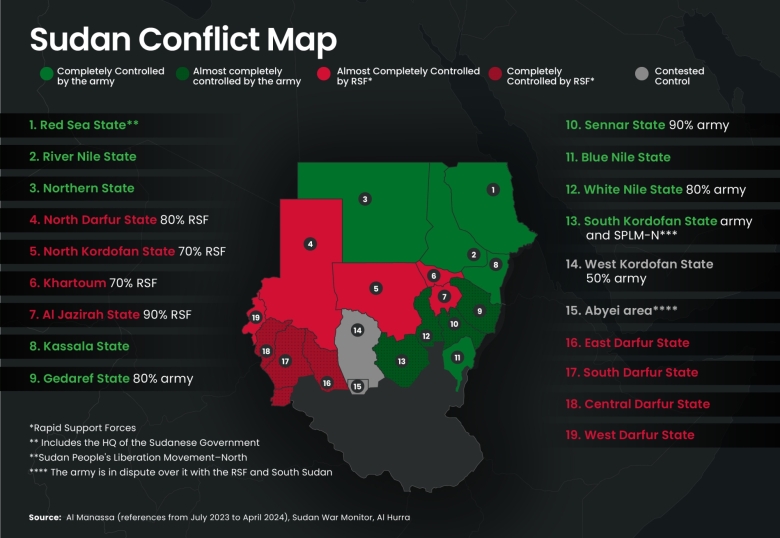
In the deadlier of the two incidents, a drone struck a civilian transport truck on Tuesday in Abu Zabad, located in West Kordofan state in southern Sudan. The attack resulted in the deaths of 52 individuals. Eyewitness accounts reported that the truck was carrying approximately 90 passengers, and the fatalities included mostly women, along with several men and children. This single event represents one of the highest civilian death tolls from a single strike in the recent phase of the conflict.
The aftermath of the attack overwhelmed local medical facilities. Survivors were transported to Abu Zabad's only functioning hospital and nearby medical centers, where staff were forced to treat the injured under severely overcrowded conditions and with critically limited supplies. This scenario is emblematic of the broader collapse of Sudan's healthcare system under the weight of sustained conflict, where infrastructure has been damaged, supplies are scarce, and medical personnel are operating under extreme duress.

The Shukairi Village School-Health Center Strike
A second drone attack occurred on Wednesday in Shukairi village, near Kosti in White Nile state in central Sudan. This strike hit a compound housing both a school and a health center, killing 17 people. The victims included nine students, three teachers, four patients, and a health worker. The deliberate targeting of such a facility, which serves essential educational and medical purposes for a community, has been described by the Sudanese Doctors Network as a clear attack on unarmed civilians and a violation of international law.
No armed group has claimed responsibility for either of the strikes. Both the Sudanese Armed Forces (SAF) and the paramilitary Rapid Support Forces (RSF), the primary belligerents in the conflict, did not immediately comment on the incidents. However, the RSF has reportedly intensified drone strikes on Kosti, an army-held city, over the preceding three days, suggesting a tactical escalation in the region.
Context of the Broader Conflict
These drone strikes occur within the context of a brutal civil war that began in mid-April 2023 between the Sudanese army and the Rapid Support Forces. The fighting has already killed tens of thousands of people and displaced millions across the country, creating one of the world's largest internal displacement crises. The conflict has ravaged infrastructure, destroyed livelihoods, and pushed millions to the brink of famine.
Artillery shelling and drone attacks have escalated across the Kordofan region, killing and wounding dozens and deepening what aid organizations have described as a worsening humanitarian catastrophe. The use of drones in warfare, while not new, introduces a particularly insidious threat to civilian populations due to their precision, relative low cost, and difficulty in attribution, allowing perpetrators to operate with a degree of impunity.

International Law and Humanitarian Concerns
The strikes raise serious questions under international humanitarian law (IHL), particularly the principles of distinction and proportionality. IHL requires parties to a conflict to distinguish between combatants and civilians, and between military objectives and civilian objects. Attacks directed at civilians or civilian objects, like a school or a health center, are strictly prohibited. Similarly, the principle of proportionality forbids attacks that may be expected to cause incidental loss of civilian life, injury to civilians, or damage to civilian objects that would be excessive in relation to the concrete and direct military advantage anticipated.
The systematic targeting of civilian infrastructure, including hospitals and schools, has been a recurring feature of the Sudanese conflict, severely hampering aid delivery and pushing the population deeper into crisis. The international community has repeatedly called for ceasefires and unimpeded humanitarian access, but with limited success on the ground.
The recent drone attacks in Abu Zabad and Shukairi village are tragic indicators of the evolving and brutal nature of the conflict in Sudan. They highlight the urgent need for a renewed diplomatic push to halt the violence, ensure accountability for violations of international law, and address the monumental humanitarian needs of the Sudanese people. Without a sustained peace process and increased global pressure on the warring parties, such devastating incidents are likely to continue, with civilians paying the ultimate price.