Israel Extends Ban on Al Jazeera Operations: A Timeline of Media Restrictions
In January 2026, Israel extended its ban on Al Jazeera Media Network's operations by another 90 days, continuing restrictions first imposed in May 2024. The Israeli government cites national security concerns, which the Qatar-based network strongly denies, calling the accusations slanderous. This article examines the timeline of events, the legal basis for the closure under Israel's 'Al Jazeera law,' and the broader implications for press freedom and international law amidst the ongoing conflict in Gaza.
Israel has extended its ban on Al Jazeera Media Network's operations and the closure of its offices in the country by another 90 days, as announced in January 2026. This decision continues a pattern of media restrictions that began in May 2024, during the height of Israel's war on Gaza. The Israeli government, led by Prime Minister Benjamin Netanyahu, has consistently cited national security threats as justification for these actions, allegations that Al Jazeera vehemently denies. This article provides a detailed timeline of these events and explores the legal, political, and journalistic implications of Israel's ongoing campaign against the international news outlet.
The Legal Basis: The 'Al Jazeera Law'
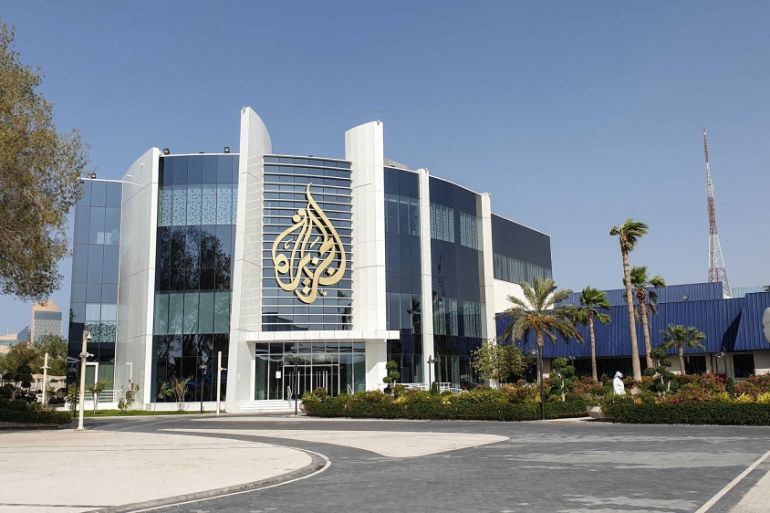
The foundation for Israel's actions against Al Jazeera is a piece of legislation passed by the Israeli parliament in 2024. This law, often referred to as the "Al Jazeera law," grants the government the authority to temporarily close foreign broadcasters deemed a threat to national security. In May 2024, Netanyahu's cabinet invoked this law to shut down Al Jazeera's operations within Israel. The order signed in January 2026 by Israeli Communications Minister Shlomo Karahi not only extends the ban but also prohibits Israeli broadcasting companies, internet service providers, and platforms like YouTube from providing services to the network inside the country.
Timeline of Key Events
Initial Closure in May 2024
The initial shutdown occurred at a critical moment in the Gaza conflict. Al Jazeera responded by accusing Netanyahu of making "slanderous accusations" and stated that Israel's suppression of a free press stood "in contravention of international and humanitarian law." The network vowed to continue its coverage and pursue all legal avenues.
Expansion to the Occupied West Bank
The campaign against Al Jazeera was not confined to Israel proper. In September 2024, Israeli forces stormed the network's offices in Ramallah, in the occupied West Bank. They confiscated equipment and documents before closing the office, extending the media blackout to Palestinian territories under Israeli control.
Legislative and Operational Extensions
In December 2025, the Israeli parliament approved an extension of the 2024 law for an additional two years, solidifying the legal framework for long-term restrictions. The January 2026 operational extension was based on a continued assessment from Israeli security services and the military, which maintained that the network's broadcasts were "detrimental to the security" of Israel, as reported by Al Jazeera's bureau chief for Jerusalem and Ramallah, Walif al-Omari.
Broader Context and Historical Precedents
Israel's targeting of Al Jazeera is not a recent development. As reported by Al Jazeera, Netanyahu threatened to shut down its Jerusalem office as far back as 2017. In 2021, an Israeli missile destroyed the building housing its office in Gaza. The conflict has also had a devastating human cost for journalists; many Al Jazeera staff and their families are among the more than 200 Palestinian journalists killed during the war. A prominent case is that of journalist Shireen Abu Akleh, who was shot dead by Israeli soldiers in the occupied West Bank in May 2022.
Implications for Press Freedom and International Law
The ongoing ban raises significant concerns about press freedom and the role of media in conflict zones. By blocking a major international news source, Israel controls the narrative accessible to its public regarding the Gaza war. Al Jazeera's assertion that these actions violate international law adds a legal dimension to the dispute, occurring alongside International Criminal Court (ICC) proceedings against Netanyahu and former Defence Minister Yoav Gallant for alleged war crimes.

Conclusion
Israel's extension of the Al Jazeera ban represents a continuation of a restrictive media policy justified under national security provisions. While the Israeli government frames it as a necessary defensive measure, Al Jazeera and press freedom advocates condemn it as an attack on journalistic integrity and the public's right to information. This situation underscores the tense relationship between state security and media freedom during prolonged conflict, with significant implications for international law and the global perception of the war in Gaza.