Analyzing the New US National Defense Strategy: A Shift Towards 'America First'
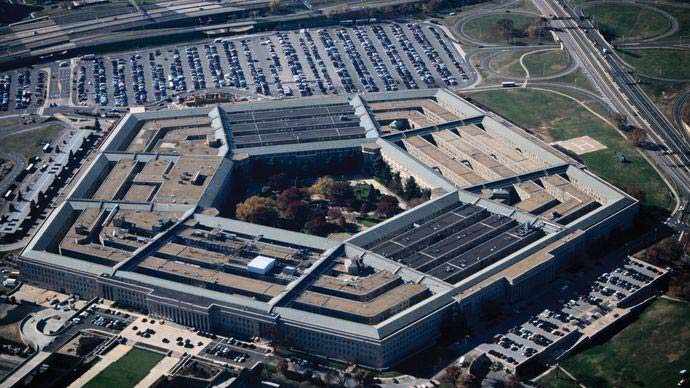
The United States has unveiled a new National Defense Strategy, marking a significant departure from post-Cold War foreign policy. Rooted in President Donald Trump's 'America First' doctrine, the strategy prioritizes homeland security and influence in the Western Hemisphere. This shift has sparked intense debate with America's traditional allies about the future role of US military power on the global stage. The Pentagon's strategy closely follows a recent White House National Security Strategy, signaling a cohesive, new direction for American defense priorities.
The recent unveiling of the United States' new National Defense Strategy represents a pivotal moment in American foreign and military policy. This document, released by the Pentagon, formalizes a strategic reorientation that has been developing since the beginning of the current administration. It follows and echoes the broader National Security Strategy published by the White House just last month, creating a unified framework for how America views its role in the world. The core philosophy driving this change is President Donald Trump's "America First" approach, which fundamentally reshapes decades of established defense posturing.
The Core Principles of the New Strategy
At its heart, the new defense strategy marks a clear departure from policies that have guided the United States since the end of the Cold War. For decades, US defense planning was built around global engagement, forward deployment, and alliance leadership. The new framework, as detailed in the Pentagon document, shifts this focus inward. The primary emphasis is now on homeland security—protecting American territory, citizens, and critical infrastructure from direct threats. This represents a more defensive and territorially focused posture than the expansive, globally interventionist stance of previous administrations.
A second major pillar of the strategy is the prioritization of influence and stability in the Western Hemisphere. This indicates a strategic retrenchment to what the administration views as America's immediate sphere of influence, including North, Central, and South America. The implication is that resources and attention previously dedicated to other regions, particularly Europe and the Middle East, may be redirected to address challenges and opportunities closer to home. This regional focus is a direct application of the "America First" principle to defense planning.
Implications for Global Alliances
The announcement of this strategy did not come as a surprise to close observers, as reported by Al Jazeera. President Trump and his officials have been engaged in often-heated debates with traditional allies about burden-sharing and the expectations surrounding American military protection. The new strategy codifies these tensions into official policy. Allies in NATO, Asia, and the Middle East are now forced to confront a future where the United States may be less willing to automatically guarantee their security, expecting them to take greater responsibility for their own defense.

This shift creates significant uncertainty for countries that have long relied on the US security umbrella. Nations like South Korea, Japan, and members of the European Union must reassess their defense budgets, military capabilities, and diplomatic relationships. The strategy suggests the US will be more transactional in its alliance management, expecting concrete benefits in return for its security commitments. This could lead to a more multipolar and potentially less stable global security environment, as regional powers may feel emboldened in the absence of a consistently engaged United States.
Expert Perspectives on the Strategic Shift
Analysis from foreign policy experts highlights the profound nature of this change. Adam Clements, a US foreign policy analyst and former Pentagon official, provides insight into the internal rationale behind the shift. Meanwhile, Marina Miron, a researcher with the Defence Studies Department at King's College London, can offer a European perspective on the ramifications for transatlantic relations. The strategy also directly affects allies in Asia, as noted by Youngshik Bong, a visiting professor and adviser to South Korea's Ministry of National Defence, who can speak to the concerns in Seoul and Tokyo.
The consensus among analysts is that this is not a minor adjustment but a fundamental rethinking of America's role in the world. It upends nearly 80 years of foreign policy consensus that emerged after World War II, where the US acted as the primary guarantor of international order. The new defense strategy signals a move toward a more unilateral and interest-defined approach, where global engagements are weighed strictly against their direct benefit to American security and prosperity.
Conclusion: Navigating a New Defense Landscape
The release of the new US National Defense Strategy establishes a clear roadmap for the American military and its global posture for the coming years. By prioritizing homeland defense and hemispheric influence, the United States is consciously stepping back from the role of global policeman. This will force allies to adapt, potentially leading to increased defense spending and new regional security partnerships. It also creates space for other global powers to expand their influence. The ultimate success of this "America First" defense policy will be measured by its ability to enhance national security while managing the inevitable geopolitical turbulence that such a significant strategic shift will generate. The world is now watching to see how this doctrine is implemented and what the long-term consequences will be for international stability.