US Strike Kills al-Qaeda Leader Linked to Deadly Syria Ambush
The United States Central Command (CENTCOM) announced a targeted airstrike in northwestern Syria on Friday killed Bilal Hasan al-Jasim, an al-Qaeda-affiliated leader directly connected to the ISIS gunman responsible for a December ambush that killed two US soldiers and a military interpreter. The operation is part of an ongoing US retaliatory campaign in Syria, which has included over 100 strikes on ISIS infrastructure and the capture of more than 300 operatives in the past year. This article details the strike's context, the US military's stated objectives, and the broader security implications in the region.
The United States military has conducted a targeted strike in Syria, eliminating a senior militant leader connected to a recent deadly attack on American forces. According to a statement from US Central Command (CENTCOM), an airstrike on Friday in northwestern Syria killed Bilal Hasan al-Jasim, who was described as an al-Qaeda-affiliated leader with direct ties to the ISIS operative who carried out an ambush in mid-December. This action underscores the ongoing US military commitment to retaliate against threats to its personnel in the region and highlights the complex militant landscape in Syria.
The Target and the December Ambush
According to CENTCOM, the individual killed, Bilal Hasan al-Jasim, was "directly connected with the ISIS gunman who killed and injured American and Syrian personnel" during an attack in the Syrian city of Palmyra on December 13, 2025. That ambush resulted in the deaths of two US soldiers and a military interpreter, marking a significant incident that triggered a forceful US response. The connection between an al-Qaeda-affiliated figure and an ISIS operative illustrates the sometimes overlapping and collaborative nature of militant networks operating within Syria, despite the groups' historical rivalries.
US Military Response and Ongoing Operations
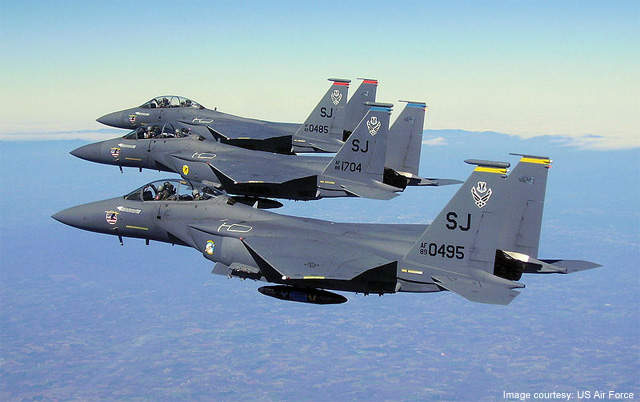
The Friday strike is part of a broader US military campaign launched in response to the December ambush. CENTCOM stated that since initiating this retaliatory operation, US forces and their partners have conducted strikes on more than 100 ISIS "infrastructure and weapons" sites across Syria. Furthermore, CENTCOM reported that over the past year, US and partner forces have captured more than 300 ISIS operatives and killed over 20 in Syria. This data points to a sustained counter-terrorism effort aimed at degrading the group's capabilities.
Strategic Messaging and Policy
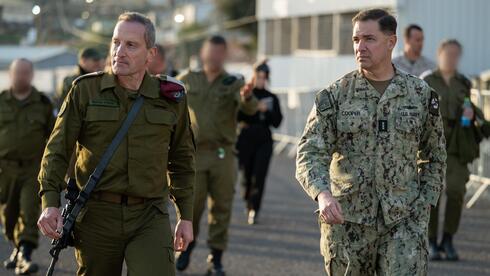
The strike and the public announcement carry a clear strategic message. CENTCOM Commander General Brad Cooper emphasized in a statement, "There is no safe place for those who conduct, plot, or inspire attacks on American citizens and our warfighters. We will find you." This rhetoric aligns with previous statements from US leadership. Following the December attack, former President Donald Trump vowed significant retaliation, stating, "I can tell you, in Syria, there will be a lot of big damage done to the people that did it." The operation demonstrates a continuation of a policy of direct military action against perceived threats to US forces in the region.
Regional Security Context
The strike occurred in northwestern Syria, a region with a complex security environment involving various militant groups, Syrian government forces, Turkish operations, and a diminished but persistent US presence focused on counter-ISIS missions. The US maintains a limited troop presence in Syria, primarily in the northeast, as part of the ongoing campaign against ISIS. Operations like Friday's strike in the northwest indicate a willingness to project force across different areas of the country to target specific threats, even in zones not under direct US control.
Conclusion
The targeted killing of Bilal Hasan al-Jasim represents a specific tactical success within the US military's broader strategy to respond to attacks on its personnel and degrade militant networks in Syria. While it addresses a direct link to the December ambush, it also occurs within the wider context of a multi-year campaign against ISIS and other extremist elements. The operation reaffirms the US commitment to using military force in retaliation, but it also underscores the enduring challenges of achieving lasting stability and security in Syria's fractured conflict landscape.