Read on the Guardian
Canada's Strategic Pivot: Carney Forges New Partnership with China Amid US Trade Tensions
Canadian Prime Minister Mark Carney's landmark visit to Beijing marks a significant shift in foreign policy, as Canada seeks to diversify its trade relationships away from the United States. The first visit by a Canadian leader in eight years resulted in a 'new strategic partnership' with China, including a preliminary trade deal and agreements on clean energy cooperation. This article analyzes the geopolitical and economic drivers behind this pivot, examining the impact of US tariffs under the Trump administration and Canada's urgent need to expand non-US exports to ensure economic stability.
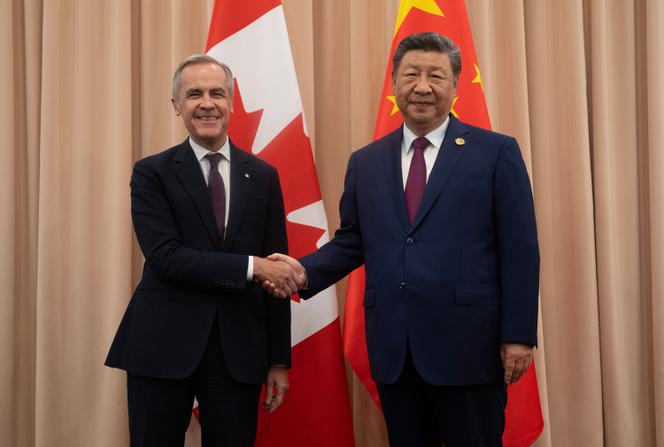
In a move signaling a profound recalibration of its foreign economic policy, Canadian Prime Minister Mark Carney embarked on a rare state visit to Beijing, culminating in high-stakes talks with Chinese President Xi Jinping. This visit, the first by a Canadian leader in eight years, is not merely a diplomatic formality but a strategic maneuver born of necessity. As Canada grapples with the economic fallout of a protracted trade war with its largest partner, the United States, the pursuit of a "new strategic partnership" with China represents a critical effort to diversify trade links and secure future growth. This pivot underscores the complex realities of a shifting global order where traditional alliances are being tested by domestic protectionism.
The Diplomatic Reset: From Spats to Strategic Partnership
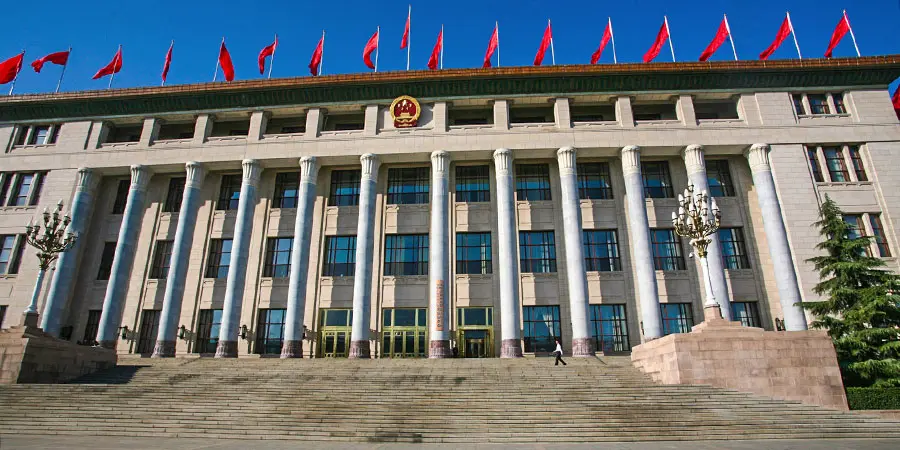
For nearly a decade, Canada-China relations have been defined by tension and reciprocal punitive measures. The diplomatic deep freeze began in 2018 with Canada's arrest of Huawei CFO Meng Wanzhou on a US warrant, which triggered China's retaliatory detention of two Canadian citizens on espionage charges. This was followed by a series of tit-for-tat trade disputes and tariffs, severely damaging bilateral trust and cooperation. Prime Minister Carney's administration has explicitly sought to "turn the page" on this contentious history. During his address in Beijing's Great Hall of the People, Carney framed the engagement as building on the past's best elements to forge a relationship "adapted to new global realities." President Xi Jinping echoed this sentiment, noting that their previous meeting at the 2025 APEC summit had "opened a new chapter" toward improvement, signaling Beijing's reciprocal willingness to restore cooperation.
The Economic Imperative: Reducing Reliance on the US
The primary driver behind Canada's outreach is an urgent economic imperative. The United States, under the Trump administration, has sharply raised tariffs on key Canadian exports like steel, aluminum, vehicles, and lumber. With approximately 75% of Canadian goods exported to the US in 2024, this protectionist shift has placed immense strain on Canada's economy. In response, Carney has set an ambitious goal to double Canada's non-US exports by 2035. China, as Canada's second-largest trading partner, is a logical focal point for this diversification strategy, despite accounting for less than 4% of Canadian exports in 2024. The visit aimed to lay the groundwork for expanding this share, moving beyond the status quo to a more integrated economic relationship.

Key Outcomes and Agreements from the Beijing Visit
The state visit yielded several concrete agreements designed to kickstart the new partnership. The most notable was a preliminary trade deal aimed at mutual tariff reduction. A specific component includes a commitment for Canada to import 49,000 electric vehicles from China at preferential tariff rates, tapping into China's dominant EV market. Furthermore, the two nations signed a significant agreement to cooperate on clean energy and fossil fuels, reopening ministerial-level dialogues that had been frozen for nearly a decade. This pact opens avenues for Canada to import more clean-energy technology from China while also exploring increased exports of Canadian fossil fuels, of which only 2% went to China in 2024. Additional agreements were signed covering sectors with mutual interest, including agriculture, forestry, culture, and tourism, identifying them as areas for "the most immediate progress."
Geopolitical Implications and Future Challenges
Canada's strategic pivot carries substantial geopolitical weight. Traditionally a staunch US ally, Ottawa's concerted effort to deepen ties with Beijing illustrates the strain caused by Washington's "America First" agenda. This rebalancing act requires careful navigation to avoid further alienating the US while securing vital alternative markets. The partnership also comes with inherent challenges, including lingering concerns over Chinese foreign interference in Canadian elections and the need to protect democratic institutions. For the partnership to be sustainable, it must be built on reciprocal economic benefits and clear diplomatic channels that can manage disagreements without spiraling into confrontation. The success of this reset will depend on continued high-level engagement and the tangible expansion of trade flows in the coming years.
Prime Minister Mark Carney's visit to China marks a definitive turn in Canada's international economic strategy. Faced with the reality of strained relations with the United States, Canada is proactively seeking to build a more diversified and resilient trade portfolio. The "new strategic partnership" with China, while fraught with the complexities of past disputes and future uncertainties, represents a pragmatic adaptation to the current global landscape. By securing preliminary trade agreements and reopening channels of cooperation in energy and other sectors, Canada has taken a crucial first step toward reducing its overwhelming dependence on a single market. The long-term viability of this pivot will be measured by its ability to deliver sustained economic growth while safeguarding national interests in an increasingly multipolar world.