Read on PBS News
Syrian Government Ceasefire Dismantles Kurdish-Led Forces, Reshaping Northeast Syria
The Syrian government has announced a landmark ceasefire agreement with the Kurdish-led Syrian Democratic Forces (SDF), effectively dismantling the autonomous administration that controlled northeast Syria for over a decade. The deal, confirmed by SDF leader Mazloum Abdi, stipulates the withdrawal of SDF forces from key provinces like Raqqa and Deir el-Zour, transferring control of critical infrastructure, oil fields, and border crossings to Damascus. This development marks a pivotal shift in Syria's 14-year civil war, potentially unifying the country under the post-Assad government while raising questions about the future of Kurdish rights and regional stability.
The geopolitical landscape of Syria underwent a seismic shift on January 19, 2026, with the announcement of a ceasefire agreement between the Syrian government and the Kurdish-led Syrian Democratic Forces (SDF). This pact effectively dismantles the autonomous Kurdish-led administration that governed northeast Syria for more than a decade, signaling a dramatic consolidation of state power by the new government in Damascus. The agreement, coming after weeks of escalating tensions and a rapid military advance by government forces, represents a critical inflection point in Syria's long-running civil war, potentially ending a major chapter of division and moving the country toward a contested unity.
The Ceasefire Agreement and Its Immediate Impact
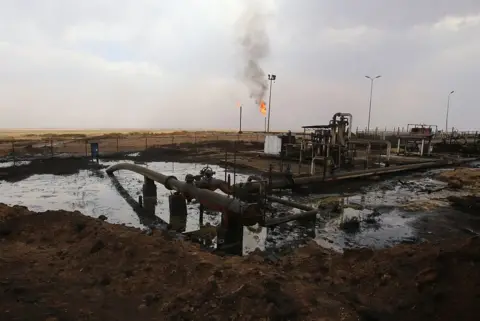
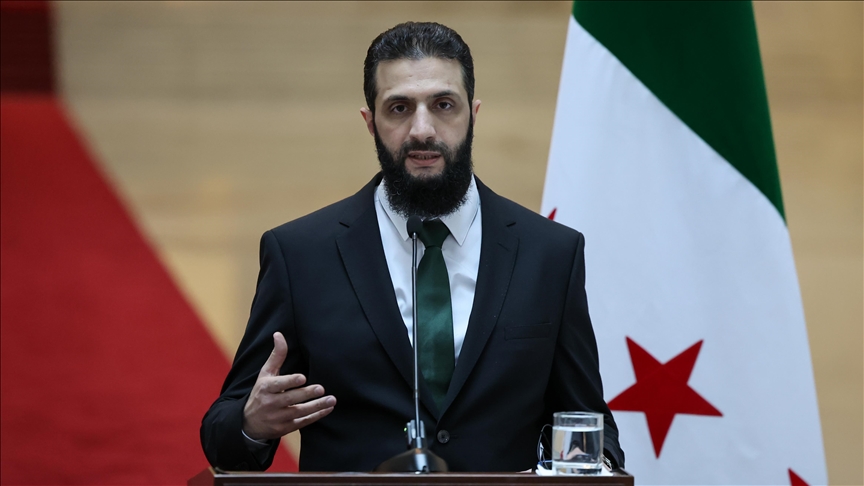
The ceasefire was announced by the Syrian Defense Ministry, which ordered a halt to fighting on all front lines following the deal's confirmation. SDF leader Mazloum Abdi validated the agreement in a video statement, citing the need "to stop the bloodshed" as the primary motive for accepting the terms. The core stipulations involve the SDF withdrawing its military forces from the Arab-majority provinces of Raqqa and Deir el-Zour, areas rich in oil, gas, and strategic infrastructure like river dams and border crossings. Control of these assets is now transferred to the Syrian military and government.
Furthermore, the agreement mandates the dismantling of the SDF as an independent armed force, with its personnel slated to integrate into Syria's national military and security apparatus. Senior SDF officials are promised high-ranking positions within state institutions as part of the integration process. In the Kurdish heartland of Hassakah Province, the SDF is expected to hand over civilian administration to Damascus, along with the contentious responsibility for prisons and camps housing thousands of detained Islamic State group fighters and their families.
Background: A Stalled Process and Sudden Escalation
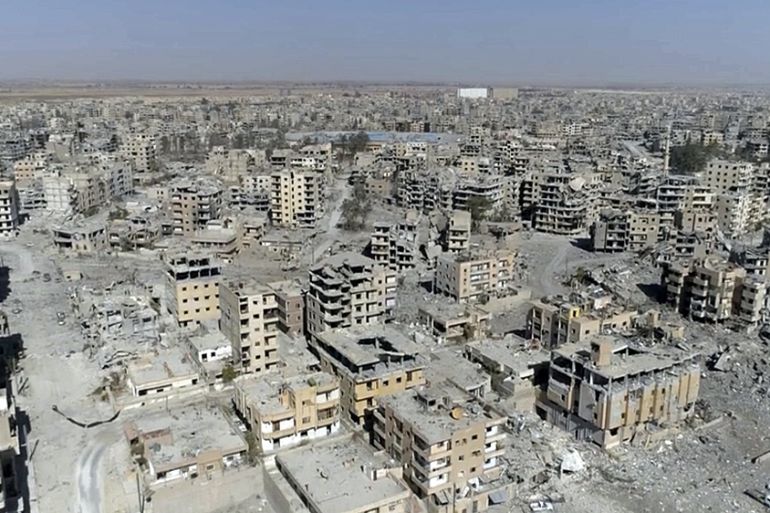
This breakthrough follows a period of stalled negotiations and failed implementation. An initial agreement to merge the SDF with Damascus was reached in March, but it collapsed as both sides accused each other of violations. The situation deteriorated rapidly in early January 2026 when tensions boiled over into clashes along the front line in eastern Aleppo province. A major government offensive ensued, pushing eastward into SDF-held territory.
A senior Syrian government official, speaking anonymously, claimed the offensive was launched because the SDF failed to honor a promised withdrawal east of the Euphrates River. The government advance was bolstered by support from armed Arab clans in Raqqa and Deir el-Zour who opposed SDF rule. By January 19, the SDF had lost control of vast territories and critical infrastructure, creating the conditions for the ceasefire.
Reactions and Implementation
The announcement elicited mixed reactions across the region. In Damascus, President Ahmad al-Sharaa hailed the agreement as "a victory for all Syrians of all backgrounds" and a step toward ending the state of national division. Crowds in Raqqa city celebrated into the night, waving Syrian flags and setting off fireworks in a display of support for the government's return.
Conversely, in the Kurdish-majority city of Qamishli, the mood was one of cautious skepticism. Thousands of Kurdish families had fled to the city from areas captured by government forces, adding to a long history of displacement. While some residents expressed hope that the deal would end fighting between Arabs and Kurds, others voiced deep distrust. "The Kurds have become victims of international agreements and international deception," remarked Goran Ibrahim, a local doctor.
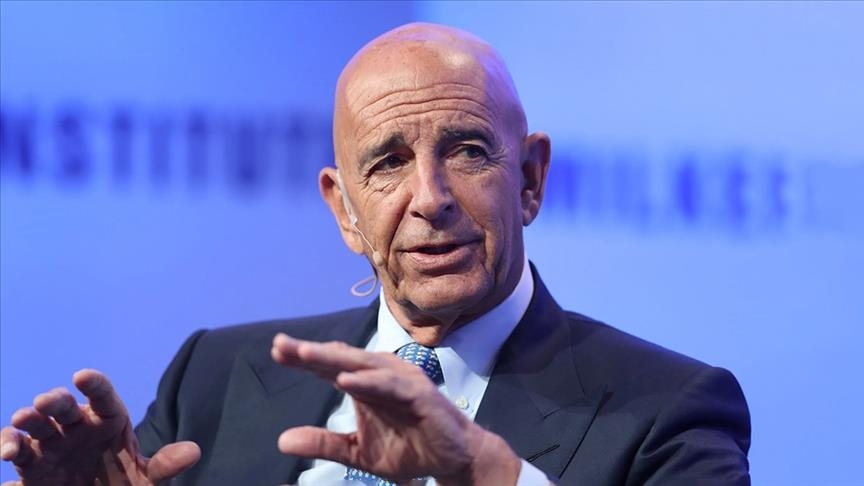
International stakeholders also weighed in. U.S. Special Envoy Tom Barrack, who met with President al-Sharaa as the offensive unfolded, praised the agreement on social media platform X. He stated it would lead to "renewed dialogue and cooperation toward a unified Syria" and represented a "pivotal inflection point, where former adversaries embrace partnership over division." Both the SDF and the Syrian government have been key allies of Washington in different capacities, making U.S. diplomacy a relevant factor.
Strategic Implications and Unanswered Questions
The agreement's most immediate effect is the dramatic expansion of the Syrian government's territorial control for the first time since the toppling of Bashar al-Assad in December 2024. Regaining the oil and gas fields of Deir el-Zour provides a significant economic boost to the struggling state. However, the path forward is fraught with challenges.
President al-Sharaa indicated implementation would be gradual, starting with the cessation of hostilities. No clear timeline exists for the complex processes of military integration, administrative handover, and the transfer of security responsibilities for IS detainees. The true test will be whether the promises of high-ranking positions for Kurdish officials and strengthened Kurdish rights, as decreed by al-Sharaa, are fulfilled in practice, or if they give way to centralized control that marginalizes minority groups.
Syria's ambassador to the U.N., Ibrahim Olabi, framed the moment optimistically, telling the Associated Press it was "a moment to show that Syrians are able to put differences aside and move ahead." Whether this ceasefire marks the beginning of a stable, inclusive unity or simply a new phase of unresolved tensions will depend entirely on the difficult work of implementation that lies ahead.