The Nation-State in the 21st Century: Is It Still Our Primary Identity Foundation?
For centuries, the nation-state has served as the primary framework for political organization, cultural identity, and social belonging. However, in an era of globalization, digital connectivity, and transnational challenges, its foundational role is being questioned. This article examines whether the nation-state remains a meaningful cornerstone of who we are, exploring the forces that both reinforce and erode its significance in shaping modern identity, sovereignty, and community.
For more than three centuries, the nation-state has been the dominant political and social unit, defining borders, citizenship, and collective identity. It has provided a sense of belonging, a system of governance, and a framework for international relations. Yet, as we navigate the complexities of the 21st century—marked by global supply chains, digital communities, climate crises, and mass migration—the very foundation of the nation-state is being scrutinized. Is it still the most meaningful foundation of who we are, or are other forms of identity and allegiance taking precedence?

The Enduring Power of the Nation-State
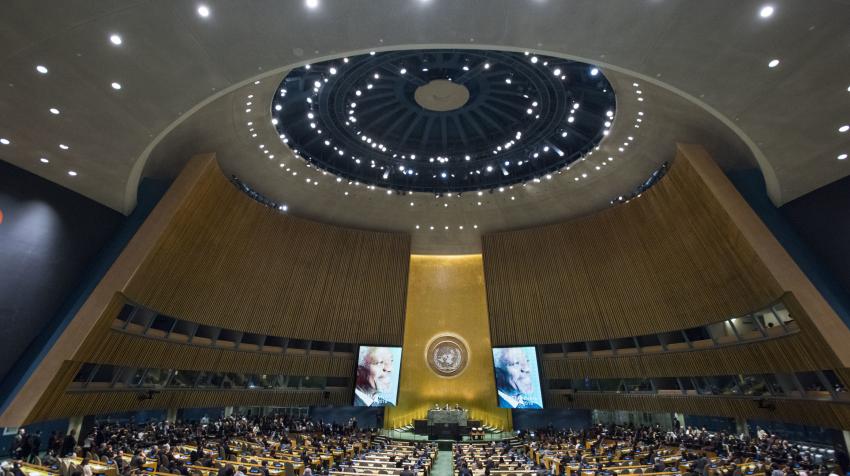
Despite globalizing trends, the nation-state retains significant power and relevance. It remains the primary actor in international law and diplomacy, as seen in forums like the United Nations. States control territory, enforce laws, collect taxes, and provide essential services like security, education, and infrastructure. For many individuals, national identity—forged through shared history, language, and culture—continues to be a powerful source of pride and community. Nationalist movements around the world demonstrate the enduring emotional and political pull of the nation-state as a container for sovereignty and self-determination.
Forces Challenging the Nation-State Model
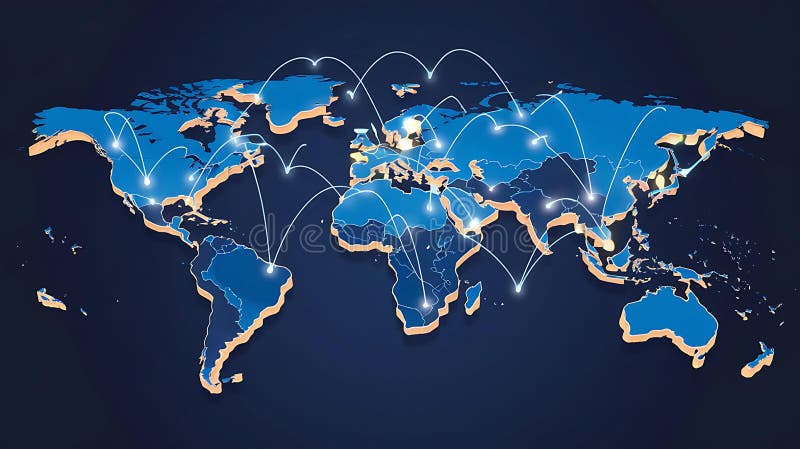
Several powerful forces are challenging the primacy of the nation-state. Economically, global corporations often operate with more influence and reach than many governments, shaping policies and labor markets across borders. Digitally, social media platforms and online communities create identities and affiliations that transcend geography, allowing people to form connections based on interests, beliefs, or professions rather than nationality. Furthermore, existential challenges like climate change, pandemics, and cyber warfare do not respect national borders, necessitating cooperation that can undermine traditional state sovereignty and highlight the limitations of a purely national response.
The Evolution of Identity and Belonging
The concept of identity itself is becoming more layered and complex. While the nation-state provides one layer, individuals now navigate multiple, sometimes overlapping, identities. A person might identify simultaneously with their city, their ethnic heritage, a global cause like environmentalism, and a professional community online. This does not necessarily mean the national layer disappears, but it may become one of several competing or complementary foundations. The question shifts from whether the nation-state is the sole foundation to how it interacts with these other forms of belonging in defining who we are.
The Path Forward: Adaptation or Obsolescence?
The future of the nation-state likely lies not in disappearance but in adaptation. States that successfully integrate into global systems while maintaining domestic legitimacy and delivering for their citizens may thrive. This could involve ceding some sovereignty to supranational bodies on specific issues (like trade or environmental standards) while reinforcing other aspects of national community. The nation-state may evolve from being the exclusive foundation of identity to being a crucial, but not solitary, pillar within a more complex, multi-polar world of affiliations.
In conclusion, the nation-state is not an obsolete concept, but its role as the singular, most meaningful foundation of who we are is undeniably changing. It remains a powerful and necessary political structure, but it now operates within a web of global forces and competing identities. The 21st-century individual is defined by a mosaic of influences—national, local, digital, and ideological. The most resilient states and societies will be those that recognize this complexity, fostering a sense of national community that can coexist with, and be enriched by, these broader connections, rather than being threatened by them.