Syrian Army Advances Spark SDF Accusations of Betrayal and US Calls for De-escalation
Tensions escalate in northern Syria as the Syrian Democratic Forces accuse government troops of violating a withdrawal agreement by advancing into key towns and oilfields. The rapid military movements, following a deal for SDF retreat east of the Euphrates River, have drawn international concern, with the United States urging an immediate halt to offensive actions. This development highlights the fragile and complex dynamics of integrating Kurdish-led forces into the Syrian state, a process that has stalled and now threatens to reignite broader conflict in the region.
The fragile security landscape in northern Syria has been upended by a rapid Syrian Army advance into territory held by the Kurdish-led Syrian Democratic Forces (SDF), sparking accusations of betrayal and violating a recent withdrawal agreement. This military escalation, centered on strategic towns and vital oilfields along the Euphrates River, threatens to derail a delicate political process aimed at integrating Kurdish forces into the Syrian state and has prompted urgent calls for de-escalation from the United States.
The Withdrawal Agreement and Subsequent Violations
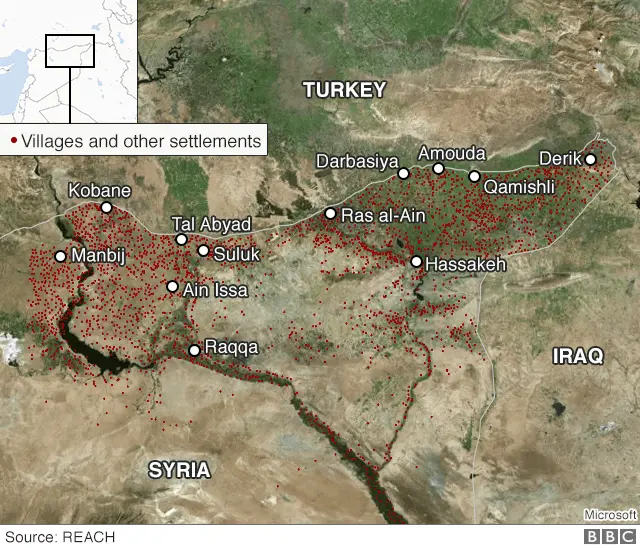
According to reports from Al Jazeera, the current crisis stems from an agreement for the SDF to retreat east of the Euphrates River. This deal was reached following recent fighting in Aleppo and surrounding areas, which itself was triggered by stalled plans to merge the SDF into the Syrian military structure. The SDF stated it would pull back from key towns including Deir Hafer and Maksana in the Aleppo governorate.
However, the implementation immediately broke down. The Syrian Army accused the SDF of violating the agreement by targeting an army patrol near Maksana, resulting in the death of two soldiers. Conversely, the SDF accused Damascus of a grave violation by entering the towns "before our fighters had fully withdrawn." This mutual blame set the stage for a wider offensive.
Rapid Syrian Army Advance and Strategic Objectives
Exploiting the disputed withdrawal, Syrian government forces launched a significant advance on Saturday. State media reported the military entered Tabqa, a strategic town near a major dam and military airbase, though the SDF initially denied this claim. The advance continued into the Raqqa countryside, with troops entering Kurdish-controlled towns and villages such as Hneida, Rajm al-Ghazal, Mansoura, and Zur Shamar. A curfew was imposed in the Maadan area as forces moved closer to Tabqa.
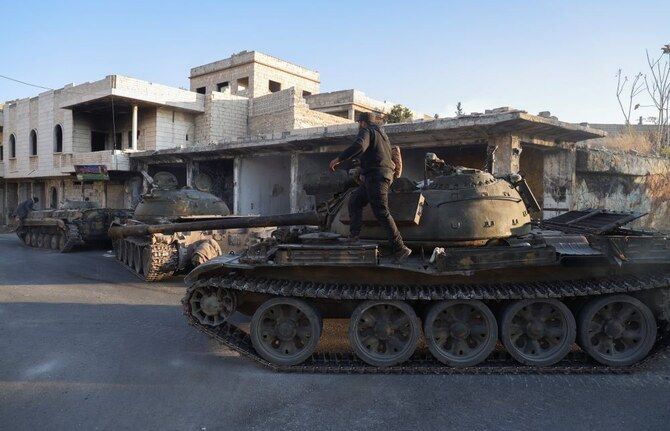
The SDF responded with strong condemnation, labeling the actions a betrayal. "Heavy clashes continue between our forces and Damascus factions, who violated the recent agreements and betrayed our forces during the implementation of the withdrawal provisions," the group stated, adding that parts of Raqqa had been subjected to artillery shelling and rocket fire. The SDF emphasized that Tabqa and a nearby oilfield were "outside the scope of the agreement" and vowed to fight to retain control.
International Response and Underlying Political Tensions
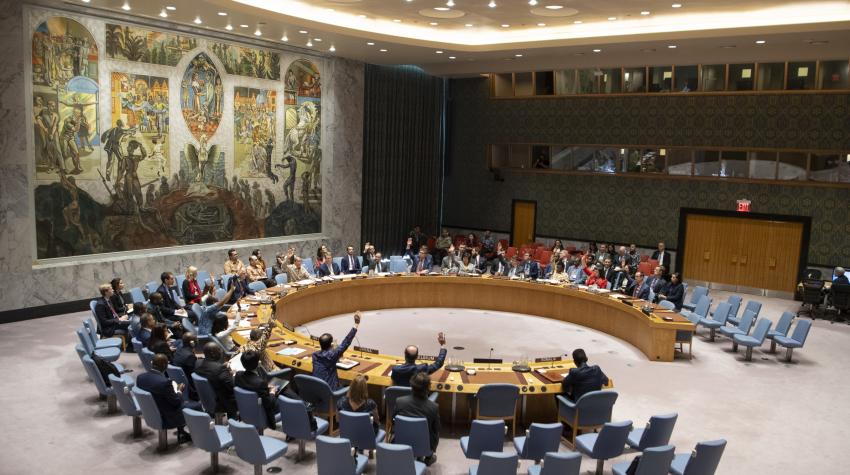
The escalation quickly drew international attention. Brad Cooper, head of the US military’s Central Command (CENTCOM), publicly urged Syrian troops to "cease any offensive actions in areas" between Aleppo and Tabqa. This call highlights the complex position of the United States, which has historically backed the SDF as allies in the fight against ISIL (ISIS) but now must balance that relationship with its engagement with the post-Assad Syrian government under President Ahmed al-Sharaa.
The core issue, as noted by analysts, remains the unresolved integration of the SDF. A decree recognizing the Kurdish language and restoring citizenship was welcomed by Kurdish authorities but seen as insufficient. The fundamental challenge is "how to integrate these tens of thousands of heavily armed, well-trained SDF fighters into the Syrian Army," a process that was supposed to begin last year but never materialized, leading directly to the January clashes.
Economic Stakes: The Fight for Oilfields
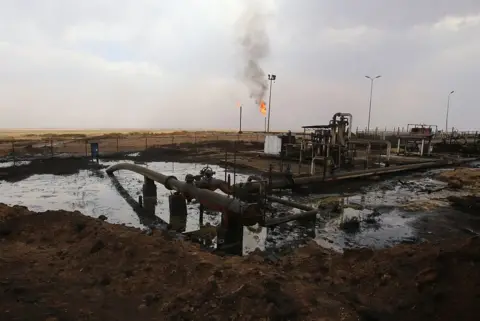
Beyond territorial control, the conflict has a significant economic dimension. The Syrian Petroleum Company announced it had taken over the al-Rasafa and Safyan oilfields from the Syrian Army shortly after soldiers seized areas from the SDF. Control of these resources is a critical prize, providing revenue and energy security. The fighting around Tabqa is also linked to securing nearby oilfields, making the military advances as much an economic campaign as a political one.
Conclusion: A Precarious Path Forward
The recent Syrian Army advances and the SDF's accusations of betrayal have exposed the deep fragility of agreements in northern Syria. What began as a negotiated withdrawal has spiraled into renewed combat over strategic towns and vital economic resources. The United States' call for de-escalation underscores the international concern that these clashes could unravel broader stability efforts. The path forward remains fraught, hinging on the sincere implementation of political agreements, particularly the integration of Kurdish forces, and a mutual commitment to ceasefires. Without a durable political solution addressing Kurdish rights and military integration, the cycle of agreement and violation in northern Syria is likely to continue.