Ranking Baseball's Top Young Stars: Where Konnor Griffin, Kevin McGonigle, and the Next Generation Land
As the 2026 MLB season approaches, the spotlight intensifies on baseball's elite prospects. This analysis ranks the top young talents, headlined by generational shortstop Konnor Griffin of the Pittsburgh Pirates, who stands in a tier of his own. We examine the standout players from Kiley McDaniel's ESPN Top 100 prospects list, including Detroit's Kevin McGonigle, Milwaukee's Jesus Made, and Baltimore's Samuel Basallo. These future stars represent the culmination of historic draft classes and international signings, with many poised to make immediate impacts on playoff contenders. From power-hitting catchers to dynamic two-way athletes, this ranking reveals where tomorrow's superstars land today.
As spring training approaches, the annual evaluation of baseball's future stars provides crucial insight into the sport's evolving landscape. The 2026 prospect class, as ranked by ESPN's Kiley McDaniel, showcases an extraordinary concentration of talent, particularly among position players who have already conquered Double-A competition. This year's list is dominated by the historic 2023 MLB draft class and recent international signings, creating a pipeline of potential Rookies of the Year and franchise cornerstones. The analysis reveals not just individual talent, but how these players fit within organizational rebuilds and competitive windows.
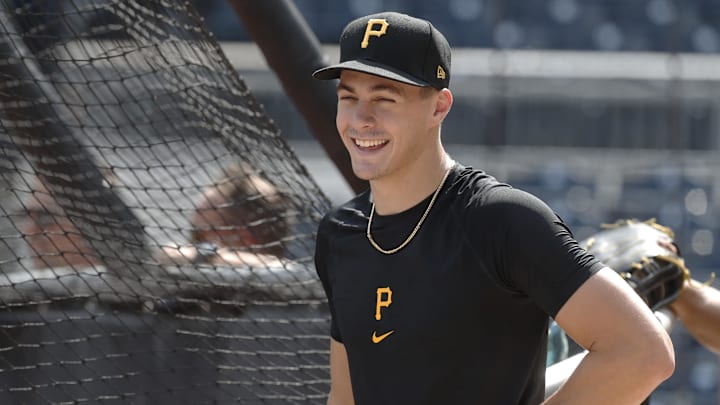
The Unmatched Talent of Konnor Griffin
At the pinnacle of the prospect rankings stands Konnor Griffin, the Pittsburgh Pirates' shortstop who occupies what McDaniel describes as "a tier of his own." The 19-year-old phenom represents a rare convergence of elite athleticism and baseball-specific skills that has drawn comparisons to Fernando Tatis Jr. and Bobby Witt Jr. Griffin's journey from the ninth overall pick in the 2024 draft to baseball's top prospect involved addressing swing concerns that some scouts considered "fatal flaws," transforming them into strengths within months of professional play.
What separates Griffin from his peers is his NFL-wideout-level athleticism combined with high-end baseball skills. His tool grades reveal a complete player: 70-grade speed (the highest possible), 65-70 raw power, and improving defensive capabilities at shortstop. McDaniel notes that Griffin was so impressive that he nearly received a 70 Future Value grade, a rating reserved for players expected to regularly appear on MVP ballots with 5+ WAR seasons. The Pirates' willingness to potentially break camp with Griffin as their everyday shortstop speaks to his advanced development and the organization's confidence in his immediate impact potential.
The Historic 2023 Draft Class Legacy
The 2023 MLB draft continues to reshape baseball's future, with multiple players from that class occupying top positions in the 2026 rankings. Kevin McGonigle, selected 37th overall by the Detroit Tigers, has dramatically exceeded expectations since being drafted. McDaniel identifies him as one of his "prouder predraft 'the industry isn't appreciating this guy enough' calls," with McGonigle developing into a potential plus hitter with real baserunning and defensive value.

Other 2023 draftees making significant impacts include Max Clark (Detroit Tigers), Walker Jenkins (Minnesota Twins), and Aidan Miller (Philadelphia Phillies). This class's depth is particularly notable, with McDaniel observing that "almost every single one of those candidates who went in the first couple of rounds have been arrow-up players since the draft." The success of these players validates teams' scouting and development approaches while creating a wave of talent that will reach the majors simultaneously, potentially altering competitive balances across the league.
International Signings Making Early Impacts
Beyond the draft, international signings continue to produce elite talent, with Jesus Made of the Milwaukee Brewers representing the most exciting example. The 18-year-old switch-hitting shortstop signed out of the Dominican Republic and immediately made history in the Dominican Summer League before translating his success to United States competition. Made's combination of electric bat speed, plus raw power, and defensive versatility at shortstop has drawn Francisco Lindor comparisons.
The international market also produced Sebastian Walcott (Texas Rangers), Leo De Vries (Oakland Athletics), and Josuar Gonzalez (San Francisco Giants), all of whom rank among baseball's top prospects. These players typically face more aggressive assignments relative to their age, with many competing in full-season leagues as teenagers. Their success underscores the global nature of talent acquisition and the importance of international scouting networks in identifying and developing future stars.
Pitching Prospects: A Different Development Path
While position players dominate the top of the rankings, several pitching prospects demonstrate alternative paths to elite status. Bubba Chandler of the Pittsburgh Pirates, formerly a two-way prospect as a switch-hitting shortstop and quarterback, now ranks as baseball's top pitching prospect. His transformation highlights a growing trend of athletic position players converting to pitching, with McDaniel noting that "the track record of legitimate position-player prospects turning into front-line arms is strong."
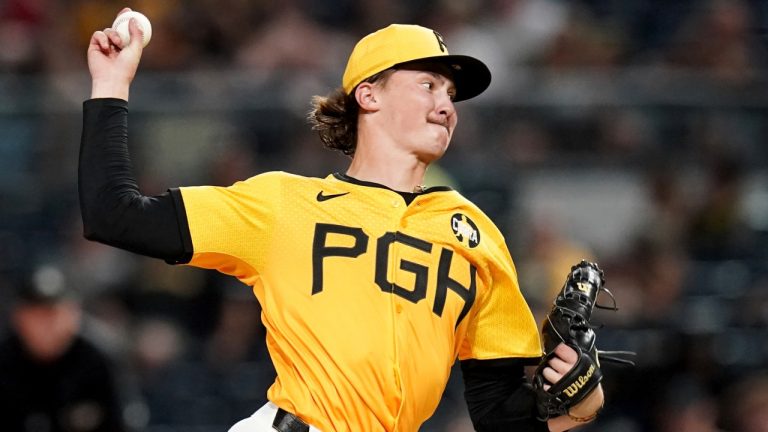
Other notable pitchers include Nolan McLean (New York Mets), another two-way convert, and Trey Yesavage (Toronto Blue Jays), whose plus-plus splitter makes him unique among right-handed starters. The development of these pitchers reflects modern pitching philosophies that prioritize athleticism, supination bias (the tendency to cut the ball), and the ability to develop multiple breaking ball shapes. As McDaniel explains, this approach represents "the scouting/development playbook about a half-dozen teams have been running with limited competition over the last five to seven years."
Organizational Impact and Timeline to Majors
The distribution of top prospects reveals strategic advantages for certain organizations. The Pittsburgh Pirates lead with both the top position player (Griffin) and top pitcher (Chandler), potentially creating a championship core alongside established star Paul Skenes. The Milwaukee Brewers boast three top-100 prospects including Jesus Made, demonstrating their successful international and player development operations.
Timelines vary significantly among these prospects. Many position players in the top tier have already reached Double-A and could debut in 2026, while pitchers and younger international signings may require additional development. However, as McDaniel notes, "superstars almost always arrive ahead of schedule," citing Juan Soto's 122 career minor league games before his teenage debut. This acceleration puts pressure on organizations to create roster space and development plans that maximize their prospects' impact.
Risk Factors and Developmental Challenges
Despite their elite status, these prospects face significant challenges. Injury histories affect players like Walker Jenkins, whose "durability questions continue plaguing him to this day" according to McDaniel. Others, like Ethan Holliday of the Colorado Rockies, present polarizing profiles with some teams finding his combination of solid defense and big power "terrifying" due to contact concerns against elite velocity.
Pitching prospects carry additional risk, with many having undergone significant surgeries or showing reliever risk due to command issues or limited pitch mixes. The development path for catchers is particularly challenging, as McDaniel notes that "the development path of young catchers is almost never linear," affecting prospects like Rainiel Rodriguez (St. Louis Cardinals) and Alfredo Duno (Cincinnati Reds).
The Future of Baseball's Competitive Landscape
The concentration of talent in specific organizations suggests potential shifts in baseball's competitive balance. Teams like Pittsburgh, Detroit, and Cleveland have accumulated multiple top prospects through drafts, international signings, and trades, positioning them for sustained success. Meanwhile, traditional powers like the Los Angeles Dodgers continue to develop talent despite competitive major league rosters, with three outfield prospects ranking in the top 100.
As these prospects reach the majors, they'll face evolving strategic environments, including potential automated strike zones and continued emphasis on defensive positioning and pitch design. Their success will depend not just on individual talent, but on organizational ability to optimize development environments and create supportive major league contexts. The 2026 season represents a potential inflection point, with many of these players poised to establish themselves as the next generation of baseball stars.