Nvidia's Strategic Embrace of Open Source AI: A Hedge Against Silicon Rivals
Nvidia, the world's dominant AI chipmaker, is making a significant strategic pivot by releasing its own advanced open-source AI models. This move comes as major AI companies like OpenAI, Google, and Anthropic develop their own custom silicon, potentially threatening Nvidia's hardware dominance. By embracing open innovation with its Nemotron 3 models, Nvidia aims to maintain its central position in the AI ecosystem while countering the trend toward proprietary systems and aligning with the growing popularity of Chinese open models.
In the rapidly evolving landscape of artificial intelligence, hardware dominance and software innovation are becoming increasingly intertwined. Nvidia, the undisputed leader in AI chip manufacturing, has built a multi-billion dollar empire by powering the computational needs of AI developers worldwide. However, a strategic shift is underway as the company transitions from being a pure hardware provider to becoming a serious player in AI model development. This move represents a calculated hedge against a future where AI companies might increasingly rely on their own custom silicon, potentially bypassing Nvidia's hardware entirely.

The Open Source Imperative
The AI industry is experiencing a fundamental tension between proprietary and open-source approaches. While companies like OpenAI and Google have achieved remarkable breakthroughs with their closed models, the open-source ecosystem has flourished with contributions from organizations worldwide. According to data from Hugging Face, a leading platform for open AI projects, Chinese companies currently dominate the open model space, releasing more frequent updates and gaining significant popularity among researchers and developers. This global competition has created an environment where openness is becoming a strategic advantage rather than just an ideological choice.
Nemotron 3: Nvidia's Open Model Initiative
Nvidia's entry into the open model arena comes in the form of Nemotron 3, a series of cutting-edge AI models designed to be downloaded, modified, and run on developers' own hardware. The company is taking a notably transparent approach by releasing not just the models but also the training data and customization tools. This level of openness exceeds what many U.S. competitors offer and positions Nvidia as a serious contributor to the open-source ecosystem. The Nemotron 3 series includes three model sizes—Nano (30 billion parameters), Super (100 billion parameters), and Ultra (500 billion parameters)—catering to different computational needs and use cases.
Strategic Motivations Behind the Move
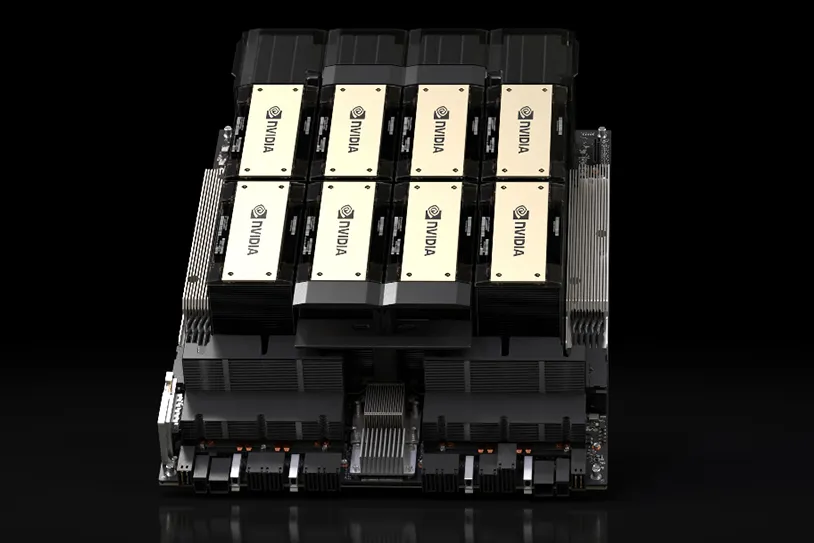
Nvidia's embrace of open-source AI models serves multiple strategic purposes. First, it creates a hedge against the possibility that major AI companies will increasingly develop and run their models on custom silicon, reducing their dependence on Nvidia hardware. Second, by contributing to the open-source ecosystem, Nvidia ensures that a significant portion of AI development continues to run efficiently on its architecture. Third, the move aligns with growing geopolitical realities, particularly as Chinese AI companies develop models that run increasingly well on domestic hardware, potentially threatening Nvidia's market position in one of the world's largest AI markets.
The Changing Landscape of AI Openness
The AI industry has witnessed a notable shift in attitudes toward openness over the past year. While Meta's release of the Llama models in February 2023 sparked a wave of open innovation, the competitive landscape has since driven many U.S. firms toward greater secrecy about their research and engineering approaches. This creates an opportunity for Nvidia to position itself as a champion of transparency and collaboration. As Kari Ann Briski, Nvidia's vice president of generative AI software for enterprise, noted, open models are crucial for customization, efficient query handling, and enhanced reasoning capabilities—all essential for building the next generation of AI applications.
Geopolitical Considerations and Market Dynamics
Nvidia's strategic calculations extend beyond pure technology considerations into the realm of international politics and trade. The company's hardware has become so central to AI development that it has emerged as a bargaining chip in U.S.-China trade relations. Recent U.S. government decisions allowing limited exports of Nvidia's H200 chips to China reflect this reality. However, the Chinese government's push for technological independence and preference for domestic silicon creates long-term challenges for Nvidia's market position. By supporting open models that can run on various hardware configurations, Nvidia may be attempting to maintain relevance even as geopolitical tensions reshape the global AI supply chain.
Future Implications for the AI Ecosystem
Nvidia's move into open model development signals a broader convergence between hardware and software in the AI industry. As companies vertically integrate their AI stacks—developing custom chips tailored to their specific models—the traditional separation between hardware providers and AI developers is blurring. Nvidia's response, embracing openness while maintaining its hardware excellence, represents one possible path forward in this evolving landscape. The success of this strategy will depend on whether developers embrace Nvidia's open models and whether the company can maintain its technological edge in both hardware and software domains.
Ultimately, Nvidia's embrace of open-source AI reflects a sophisticated understanding of the industry's trajectory. By contributing to the open ecosystem rather than fighting against it, the company positions itself as an enabler of innovation rather than merely a supplier of components. This approach acknowledges that the future of AI will be shaped not just by computational power but by collaborative development, transparent research, and adaptable business models that can navigate both technological and geopolitical complexities.