Read on bbc.com
Mixed Messages on Iran War: Trump's Ambiguous Comments Leave Markets and Voters Uncertain
President Donald Trump's recent attempts to calm markets and public anxiety over the US-Israeli military campaign in Iran have instead sown confusion. In a series of contradictory statements, Trump declared the operation both "very complete" and in need of further escalation, leaving unclear the war's timeline and ultimate objectives. While his comments temporarily stabilized volatile oil prices and stock markets, they failed to provide the clarity needed by allies, investors, and American voters facing rising gas prices and economic uncertainty ahead of pivotal midterm elections.
In the tenth day of a joint US-Israeli military campaign against Iran, President Donald Trump embarked on a media blitz aimed at soothing rattled financial markets and a concerned public. However, his series of phone calls to major news outlets resulted in a cascade of mixed messages, offering more confusion than clarity regarding the war's endgame and its domestic economic fallout. The president's statements, which ranged from declaring the mission nearly complete to threatening further escalation, underscore a strategic communication challenge that leaves allies, investors, and voters grappling with uncertainty in a critical election year.
Contradictory Statements and Market Volatility
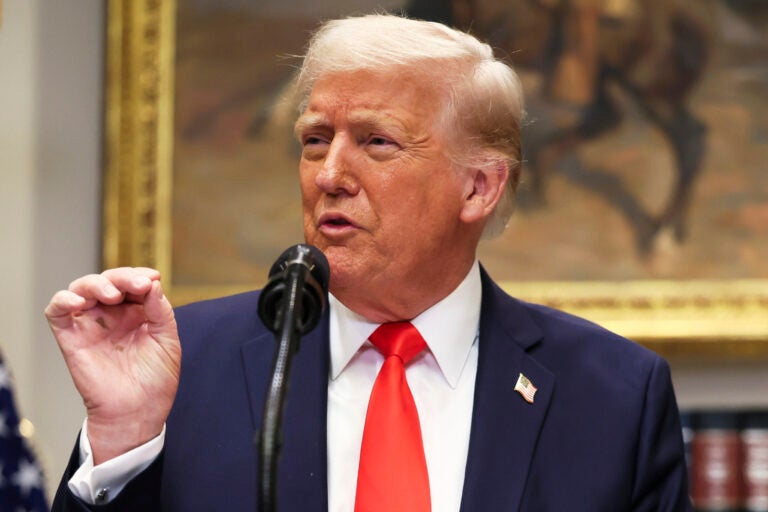
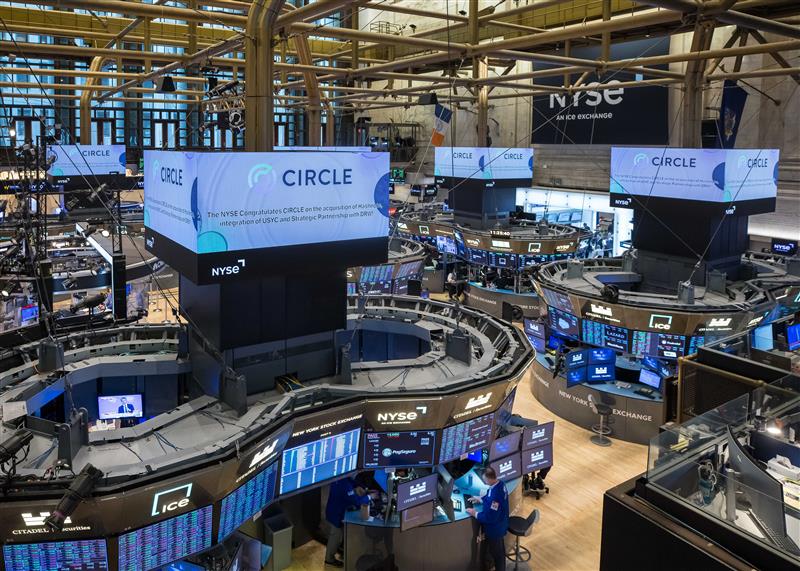
The confusion began against a backdrop of significant market turmoil. On the morning of March 10, 2026, US stock indices dropped and oil prices surged, with a barrel of oil briefly reaching $120. In response, President Trump initiated what was described as a "speed-dialling" spree to reporters. His comments, however, were notably lacking in specificity. To the New York Post, he stated, "I have a plan for everything, OK?" but provided no details on managing spiking oil prices. In a conversation with CBS News, he offered the ambiguous assessment that the war "is very complete, pretty much," and added, "We're very far ahead of schedule." When pressed on whether this meant a swift conclusion, he replied, "I don't know, it depends. Wrapping up is all in my mind, nobody else's."
Paradoxically, this lack of clarity had an immediate, positive market effect. Following his calls, stock markets rallied, and oil prices dropped below $90 per barrel. This reaction highlights the powerful, albeit unpredictable, influence of presidential rhetoric on global economics. Yet, the relief was short-lived, as the underlying questions about the conflict's duration and goals remained unanswered, creating a fragile foundation for market stability.
The Expanding Mission and Evening Walk-Back
Later the same day, President Trump appeared to walk back his earlier suggestions of a nearing conclusion. He stated, "We could call it a tremendous success right now. Or we could go further. And we're going to go further." He framed the operation as an "excursion" that the US was "very close to finishing," but immediately issued a threat to intensify strikes if Iran continued to threaten oil tankers in the Persian Gulf, vowing to "hit them so hard" they could not recover.
More significantly, he laid out an expansive new objective for the campaign: to ensure Iran cannot develop weaponry to target the US, Israel, or allies "for a very long time." As reported by the BBC, this goal potentially implies a push for regime change—a complex endeavor given the recent transition of power in Iran from the late Ayatollah Ali Khamenei to his son. This declaration stood in stark contrast to statements from just days prior, where Trump insisted the war would continue until Iran's "unconditional surrender," and created a direct contradiction with his own Defence Secretary. Pete Hegseth had outlined a forthcoming phase involving more powerful conventional munitions, suggesting the campaign's most intensive efforts had "not even really begun." When asked about this contradiction, Trump simply replied, "I think you could say both."
Domestic Economic and Political Repercussions
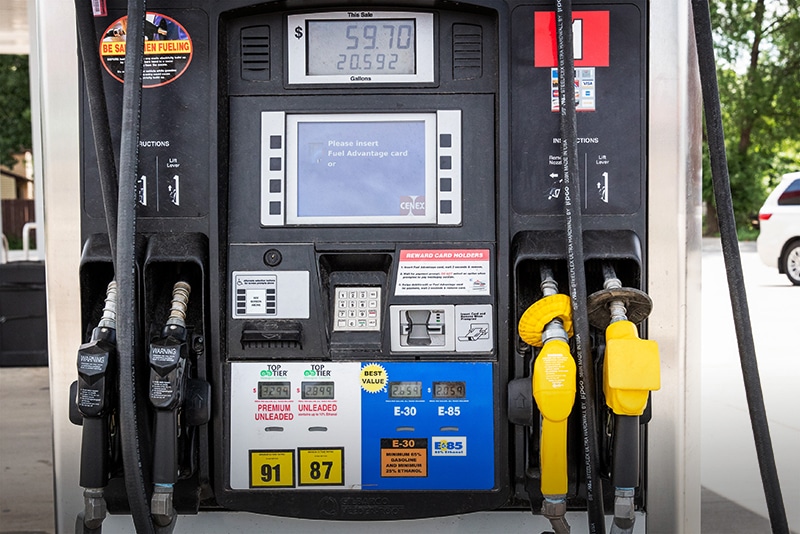
The war's most tangible impact on American life is the sharp rise in energy costs. The average price for a gallon of gasoline in the US has jumped to $3.48, an increase of 48 cents in a single week. This surge compounds existing economic anxieties, following a February jobs report that showed a loss of 92,000 jobs and a rise in unemployment to 4.4%. For many Americans, "affordability" is the top political issue, and polls indicate substantial opposition to the Iran military campaign. This combination presents a severe political risk for President Trump and Republican candidates ahead of the November midterm elections, which will determine control of Congress.
Voter sentiment in Georgia's special congressional election, held in a solidly conservative district, illustrates this danger. Voters like independent Bob Stinnett expressed worry that spiking energy prices could trigger a recession, stating, "I have supported Trump, but not for this." Another voter, Angie, a retired nurse, feared rising gas prices would strain her fixed income. While concerned for the people of Iran, she questioned the necessity of US involvement. Democratic candidate Shawn Harris identified the war as a central issue, arguing that because "gas prices are going up, everything's going through the roof, and it's not because of something else, it's something that we chose to get into."
A Presidency at a Crossroads
President Trump has attempted to address these concerns, having launched an "affordability tour" late last year and repeatedly promising that higher prices are temporary. However, with military operations in Venezuela and Iran dominating his agenda, there is a growing perception of a president more focused on legacy-defining foreign interventions than on domestic kitchen-table issues. The White House maintains he can manage both, but the political calculus is becoming increasingly difficult. As the BBC analysis notes, Trump is "inextricably linked" to an operation that is directly driving up costs for voters already skeptical of the war.
In his final comments on Monday, Trump cataloged military successes, noting the destruction of Iran's navy, air force, and key defense systems. Yet, as the report concludes, "War, however, is more than missiles launched, bombs dropped and targets destroyed." The full price—measured in economic damage, global instability, and domestic political cost—is still being tallied. President Trump's mixed messages may have provided a momentary balm to the markets, but they have done little to clarify the path forward or assuage the deep-seated concerns of the American electorate, who will deliver their verdict at the polls in November.