Read on PBS News
Iranian Foreign Minister Araghchi Condemns U.S. Strikes as a 'Failure' and Vows Continued Resistance
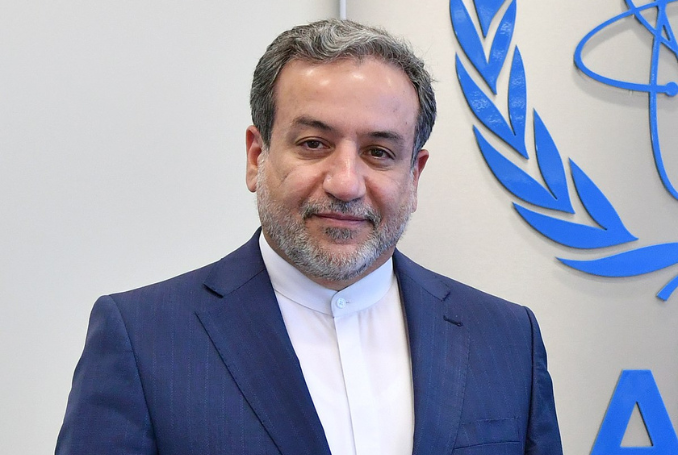
In an exclusive interview with PBS NewsHour, Iranian Foreign Minister Abbas Araghchi provided the government's perspective on the escalating conflict with the United States and Israel. Araghchi labeled recent U.S. military strikes as a strategic failure, vowed that Iran would fight 'as long as it takes,' and ruled out future negotiations with Washington. The minister defended Iran's retaliatory actions as legitimate self-defense while accusing the U.S. and Israel of causing regional instability and global economic disruption through their aggression.
In a tense geopolitical climate, the Iranian government has articulated a firm and defiant stance against ongoing military actions by the United States and Israel. In an exclusive interview with PBS NewsHour's Amna Nawaz, Foreign Minister Abbas Araghchi presented Tehran's perspective, framing the conflict as an imposed war of aggression and vowing unwavering resistance. This analysis delves into the key assertions made by Araghchi, examining Iran's position on military strategy, diplomatic relations, and the broader regional consequences of the hostilities.
Iran's Assessment of U.S. Military Strategy as a Failure
Foreign Minister Araghchi was unequivocal in his assessment of the American military campaign, declaring it a comprehensive failure. He argued that the initial U.S. and Israeli objective of achieving a rapid, decisive victory—potentially aiming for regime change—had collapsed within the first few days of the conflict. "They thought that, in a matter of two or three days, they can go for a regime change, they can go for a rapid, clean victory, but they failed," Araghchi stated. He characterized the subsequent U.S. actions as "aimless" and driven by chaos, suggesting a lack of a coherent endgame after their primary strategy faltered.
This portrayal is central to Iran's narrative of resilience and strategic endurance. By labeling the opposition's efforts as a failure, Tehran seeks to bolster domestic morale and project an image of strength to both regional actors and the international community. Araghchi emphasized that Iran's defensive capabilities, particularly its missile programs, remained operational and effective despite targeted strikes, signaling a capacity for a prolonged conflict.
A Closed Door to Diplomacy and Negotiations
One of the most significant pronouncements from the interview was Iran's outright rejection of future diplomatic engagement with the United States. Araghchi cited a "very bitter experience" of previous negotiations, alleging that the U.S. attacked Iran "in the middle of negotiations" on two separate occasions despite assurances of peaceful intent. "I don't think talking with Americans anymore would be on our agenda anymore," he declared, effectively shutting the door on a near-term diplomatic resolution facilitated by Washington.
This hardline position is compounded by the recent selection of Mojtaba Khamenei as the new Supreme Leader, which Araghchi framed as a message of "continuity and some sort of stability." The implication is that the new leadership will maintain, if not intensify, the confrontational policies of his predecessor, leaving little room for a shift in foreign policy that would accommodate U.S. demands or mediation efforts.

Legitimizing Retaliation as Self-Defense
Araghchi consistently framed Iran's military responses as legally and morally justified acts of self-defense. He argued that because Iran cannot directly strike the U.S. homeland, it is compelled to target "their bases in the region, their facilities, their installations, their assets." This rationale is used to justify strikes on oil facilities in neighboring countries like Saudi Arabia, Iraq, and Kuwait, which have contributed to soaring global oil prices.
The Foreign Minister placed the blame for regional economic disruption squarely on the U.S. and Israel. He contended that insecurity in the Strait of Hormuz, a critical chokepoint for global oil shipments, was a direct result of American aggression, not Iranian action. "They have made the whole region insecure. And this is why the tankers, the ships are scared to pass," he said, deflecting responsibility for the energy market turmoil.
Addressing Civilian Casualties and Regional Relations
The interview tackled the sensitive issue of civilian casualties. Araghchi vehemently denied a U.S. claim that Iran was responsible for a deadly strike on a girls' school in Minab, calling the accusation "ridiculous" and presenting it as part of a consensus that an American missile was at fault. He drew a sharp distinction between U.S. and Iranian actions, accusing American forces of deliberately targeting "schools and hospitals and our infrastructure," while claiming Iranian strikes might only cause unintended "collateral damage."
When questioned about damaging relations with Gulf neighbors due to retaliatory strikes, Araghchi remained uncompromising. He asserted Iran's sovereign right to defend itself superseded other considerations, stating, "if they have all rights to take all necessary measures to protect their facilities, I think we are even -- we have more rights." This stance indicates a prioritization of military response over diplomatic bridge-building with regional states, potentially leading to further long-term isolation or escalation.

Conclusion: A Protracted Conflict with Global Repercussions
The perspective from Foreign Minister Abbas Araghchi, as presented in the PBS NewsHour interview, paints a picture of a deeply entrenched conflict with no apparent diplomatic off-ramp. Iran's leadership perceives the U.S. strategy as failed and is preparing for a extended war of attrition, confident in its domestic support and defensive capabilities. The closure of the negotiation channel and the willingness to accept regional economic fallout as a consequence of war suggest a grim outlook for de-escalation. The interview underscores that the repercussions of this conflict extend far beyond the immediate military theater, threatening global energy security and destabilizing an already volatile region for the foreseeable future.