Read on PBS News
The Lingering Impact of Immigration Enforcement on Minnesota Schools
Following the official end of a sweeping immigration crackdown in Minnesota, schools in the Twin Cities area continue to grapple with profound consequences. Despite White House border czar Tom Homan's announcement, the presence of federal agents and the trauma of recent enforcement actions have left deep scars on educational communities. This article examines the ongoing challenges faced by students, teachers, and administrators as they navigate heightened fear, declining enrollment, and the complex road to recovery in the aftermath of Operation Metro Surge.
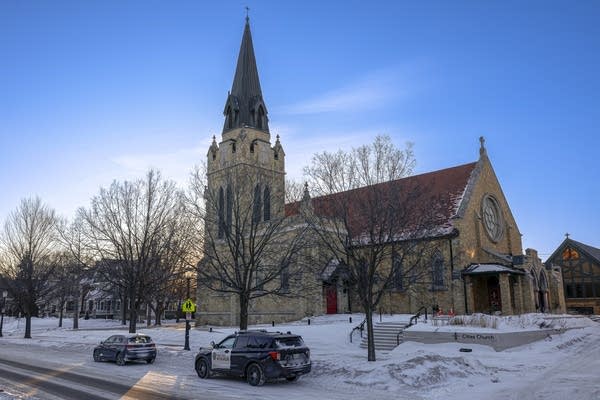
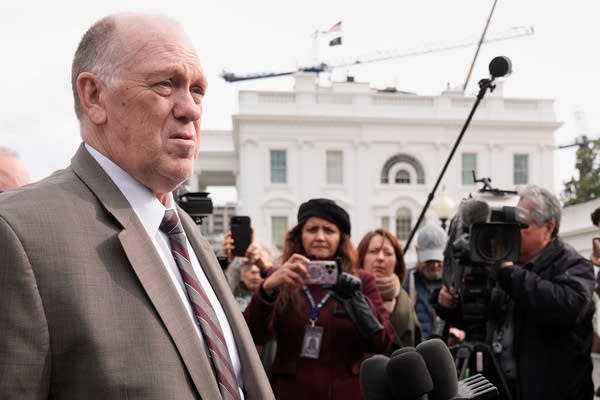
The recent announcement by White House border czar Tom Homan marked the official conclusion of a sweeping immigration enforcement operation in Minnesota. However, for the beleaguered communities of the Twin Cities, particularly within their school systems, the declaration feels far from conclusive. While federal authorities signal a slowdown, the tangible presence of agents and the deep psychological scars left by weeks of heightened enforcement continue to define daily life. Schools, serving as the heart of these immigrant-heavy neighborhoods, now face the daunting and protracted task of guiding their communities back to a semblance of normalcy, a journey that educators fear may be measured in years rather than weeks.
The Immediate Aftermath in the Classroom
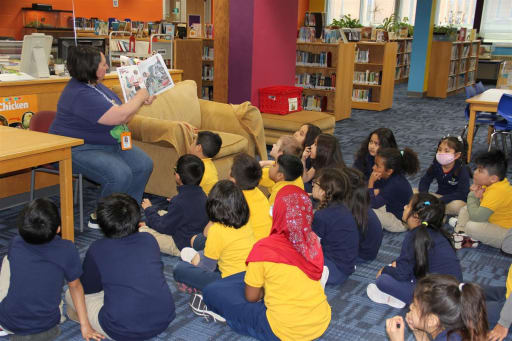
The most visible impact within schools has been a significant disruption to attendance and daily routines. At institutions like Valley View Elementary in Columbia Heights, a suburb with a large immigrant population, classrooms have seen vacancy rates as high as twenty percent. The fear of encountering Immigration and Customs Enforcement (ICE) agents has compelled many families to keep their children home, opting for virtual learning options hastily established in late January. For the students who remain, the empty chairs of absent classmates serve as constant, silent reminders of the recent crackdown, creating an atmosphere of anxiety and loss that permeates the learning environment.
Expanding Roles and Mounting Stress for Educators
School staff have seen their job descriptions expand dramatically beyond teaching. Educators and support personnel now coordinate essential services, from delivering donated food to approximately 150 families to ensuring students have safe transportation to and from school. This shift has introduced new layers of personal risk and stress. Teachers report carrying passports alongside their identification badges due to fears about their own safety during potential encounters with federal agents. The emotional labor has also intensified, with social workers and counselors meeting with entire classrooms to address collective trauma, a stark increase from the handful of individual students they previously supported each day.
Long-Term Consequences for Students and Community
Beyond the immediate logistical challenges, educators express grave concerns about the lasting psychological impact on children. Social workers warn of a developing "public health crisis," where events unrelated to immigration—like a referee's whistle on a soccer field—could become trauma triggers for years to come. The crisis has also accelerated a trend of "self-deportation," where families, deciding the risk of detention is too great, are choosing to leave the country altogether. This exodus threatens not only the social fabric of the community but also school funding, which is directly tied to student enrollment numbers.
Navigating Uncertainty and Building Trust
The announcement of the crackdown's end has done little to alleviate the pervasive climate of fear. School administrators note that trust, once broken, is slow to rebuild. Parents need time to witness the absence of enforcement actions with their own eyes before feeling secure enough to resume normal routines. This period of uncertainty forces schools to plan for an unstable future, constantly monitoring enrollment trends and preparing for potential budgetary shortfalls. The challenge is compounded by ongoing legal proceedings, such as the high-profile case of a detained five-year-old and his father, which keeps the threat of deportation vividly present in the community's mind.

The Path Forward: Resilience and Advocacy
Despite the overwhelming challenges, stories of profound resilience emerge from within school walls. Teachers speak of students articulating powerful messages of belonging, with one child writing "This is our country" as a statement of courage. Educators, acting as de facto first responders, continue to show up for their students in extraordinary ways—from searching for a displaced child's lost bicycle to providing unwavering emotional support. Their commitment underscores the critical role schools play as stabilizing institutions and advocates for their communities. The road to recovery will be long, requiring sustained support, resources, and a concerted effort to heal the deep wounds inflicted by weeks of fear and enforcement.
As Minnesota's schools navigate this difficult transition, their experience serves as a stark case study on the localized, human impact of federal immigration policy. The end of an enforcement operation is merely the beginning of a much longer journey toward healing and stability, a journey that will test the resilience of students, families, and the educators dedicated to serving them.