Read on PBS News
Pope Leo XIV Laments the Ashes of War and International Law in Ash Wednesday Homily
In his first major public liturgy for the start of Lent, Pope Leo XIV delivered a powerful homily linking the traditional Ash Wednesday ashes to the devastation of modern warfare. He lamented that global conflicts are reducing international law and justice to 'ashes,' specifically referencing the wars in Ukraine and the U.S. intervention in Venezuela. The Pope's message framed the penitential season as a time to reflect on both personal sin and the collective failures that lead to widespread destruction and the collapse of the post-World War II legal order.
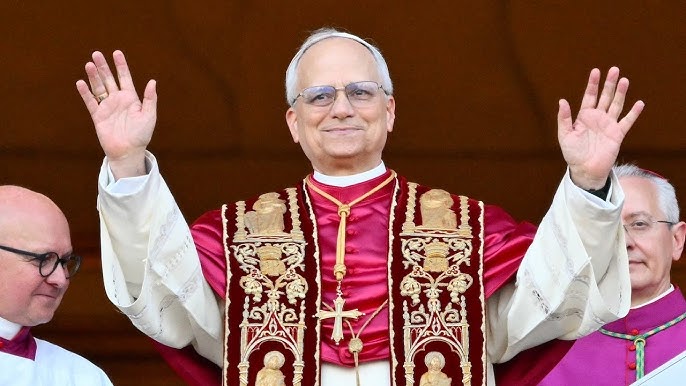
In a solemn and evocative Ash Wednesday liturgy, Pope Leo XIV marked the beginning of the Catholic Church's Lenten season with a stark meditation on the state of the world. Presiding over the traditional prayer and procession in Rome—a practice revived after being delegated by his predecessor in later years—the new pontiff connected the ancient ritual of receiving ashes to contemporary global crises. His homily served as a profound spiritual and geopolitical commentary, suggesting that the physical ashes placed on believers' foreheads symbolize the metaphorical ashes of a world order consumed by conflict.
The Liturgical Context and Symbolic Revival
Ash Wednesday initiates the 40-day period of Lent, a season dedicated to fasting, prayer, and repentance leading to Easter. Pope Leo XIV's decision to personally lead the procession from one Roman church to another and to sprinkle ashes on the heads of cardinals during Mass represented a return to traditional papal visibility for this rite. This liturgical act set the stage for a homily that expanded the concept of penance beyond the individual to encompass global society. By reviving this tradition, the Pope emphasized the gravity of the moment and the need for collective reflection.
A Homily on the Weight of Global Ashes
The core of Pope Leo's message was a direct link between the ritual ashes and the ravages of war. He stated that the ashes Christians receive now bear "the weight of a world that is ablaze, of entire cities destroyed by war." This powerful imagery framed current conflicts not as distant news but as a spiritual burden shared by the faithful. He elaborated that this devastation is reflected in "the ashes of international law and justice among peoples," pointing to a systemic collapse of the frameworks designed to maintain global peace and order since World War II.

Specific Condemnations of Contemporary Conflicts
While the homily was spiritual in nature, its references were pointedly contemporary. Pope Leo has been vocal in criticizing the erosion of the international legal order, which he attributes to specific conflicts. The reference to "Russia's war in Ukraine" and "the U.S. military incursion into Venezuela" identified concrete examples where he believes powerful nations have undermined the rule of law. This condemnation extends beyond the physical destruction of cities to the foundational principles of diplomacy and justice, which he sees as being burned away.
The Vatican's Diplomatic Stance and Broader Concerns
The Holy See's recent diplomatic actions underscore the seriousness with which it views these issues. Just days before Ash Wednesday, the Vatican confirmed it would not participate in the Trump Administration's proposed "Board of Peace for Gaza." Secretary of State Cardinal Pietro Parolin stated that the United Nations remains the appropriate institution for monitoring ceasefires and rebuilding efforts. This decision reinforces the Pope's homiletic theme: a preference for established, multilateral institutions over ad-hoc arrangements, which he implies are part of the problem. His lament also extended to the "ashes of entire ecosystems," "ancient local wisdom," and "the sense of the sacred," painting a comprehensive picture of loss.
The Spiritual Call Within a Political Reality
Ultimately, Pope Leo XIV's Ash Wednesday message was a call to spiritual awakening framed by urgent political reality. By linking the personal penitence of Lent to the collective tragedy of war and institutional failure, he challenged believers to see their faith as intrinsically connected to global justice. The ashes became a symbol not just of mortality but of responsibility—a call to work towards a world where law, not force, governs relations between nations. His homily sets a defining tone for his papacy, one deeply engaged with the moral dimensions of international affairs.