Read on PBS News
Mardi Gras: The Culmination of Carnival Season
Mardi Gras, known as Fat Tuesday, represents the vibrant climax of the extended Carnival season, serving as a final celebration of indulgence and revelry before the solemn period of Lent. This article explores the traditions, significance, and global celebrations of Mardi Gras, with a focus on the iconic festivities in New Orleans. We'll examine the cultural practices, from elaborate parades and coveted 'throws' to unique regional customs, highlighting how this day marks a joyous farewell to Carnival.
Mardi Gras, universally recognized as Fat Tuesday, stands as the grand finale of the Carnival season, a period characterized by festivity, excess, and communal joy preceding the Christian observance of Lent. This day, always falling on the Tuesday before Ash Wednesday, embodies a centuries-old tradition of celebration and cultural expression. From the world-famous streets of New Orleans to rural celebrations in Louisiana and international festivities, Mardi Gras is a global phenomenon with deep historical and religious roots. This article delves into the essence of Mardi Gras, exploring its significance, key traditions, and the unique ways it is celebrated.
The Significance of Mardi Gras
At its core, Mardi Gras marks the climax and conclusion of the weeks-long Carnival season. It serves as a final opportunity for indulgence, feasting, and revelry before the commencement of Lent, a 40-day period of sacrifice, fasting, and reflection in the Christian calendar. The term "Fat Tuesday" originates from the tradition of consuming rich, fatty foods—such as meats, eggs, and dairy—on this day before the Lenten dietary restrictions began. This symbolic last hurrah creates a powerful cultural contrast between celebration and penitence, making the day a significant marker in both religious and secular calendars.
Iconic Celebrations in New Orleans
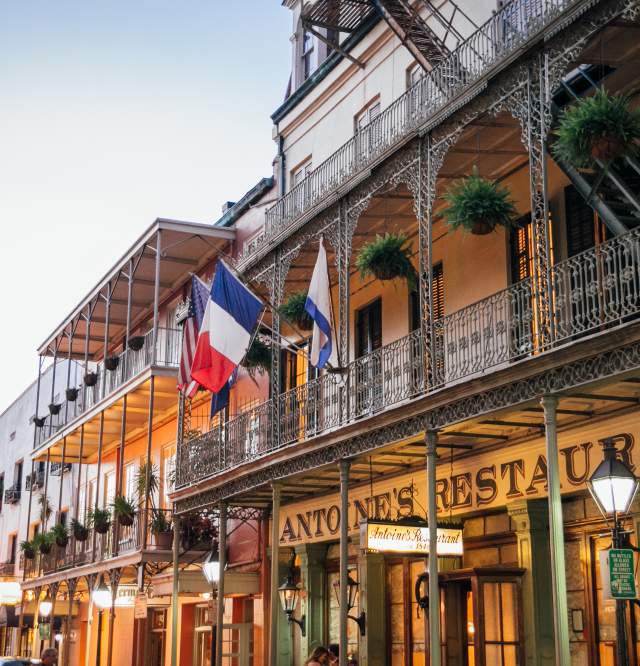
New Orleans, Louisiana, is arguably the epicenter of Mardi Gras celebrations in the United States, hosting world-renowned parades and events. The city's festivities are a tapestry of music, costume, and pageantry. Among the final and most celebrated parades is the one hosted by the Zulu Social Aide & Pleasure Club. Participants in this parade wear African-inspired attire and distribute coveted "throws"—trinkets tossed to the crowd. These include plastic beads, candy, doubloons, and the parade's signature item: hand-decorated coconuts, which are highly sought-after by revelers.

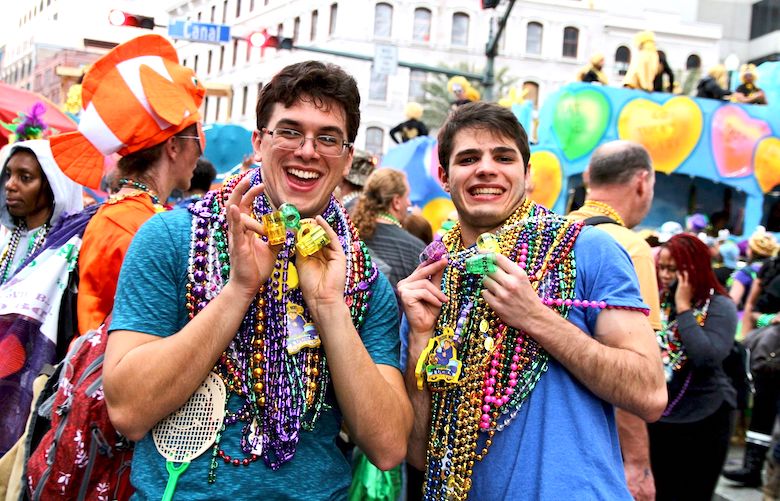
Later on Mardi Gras day, the Rex, King of Carnival parade proceeds along the iconic St. Charles Avenue, a route lined with majestic oak trees and enthusiastic spectators. The creativity on display is staggering, from the spectacular, enormous floats to the intricate costumes worn by participants. This includes the tradition of Black masking Indians, known for their elaborate, beaded, and feathered suits, and countless paradegoers in the French Quarter showcasing homemade costumes that capture the unique spirit of the city.
Broader Traditions Across Louisiana and Beyond
While New Orleans garners much of the attention, Mardi Gras is celebrated across Louisiana and the Gulf Coast with diverse traditions. In rural areas of Central Louisiana, the Cajun French tradition of the Courir de Mardi Gras, or Fat Tuesday Run, takes place. This community event features costumed participants who perform, beg for ingredients, and engage in a lively chase for live chickens, which are later used in a communal gumbo, emphasizing shared celebration and resourcefulness.
Celebrations also extend to other cities like Mobile, Alabama, and Pensacola, Florida, each with their own historical claims and unique parade styles. Globally, Mardi Gras and Carnival are observed in famous events in Brazil, Venice, and other parts of Europe, demonstrating the widespread appeal of this pre-Lenten celebration. These international festivities, while culturally distinct, share the common themes of masquerade, procession, and temporary liberation from social norms.
The Cultural and Social Impact
Mardi Gras is more than just a party; it is a vital cultural institution that fosters community identity, artistic expression, and economic activity. The months of preparation by krewes (social organizations that host parades and balls) involve thousands of participants in designing floats, sewing costumes, and coordinating complex logistics. The event generates significant tourism revenue for host cities. Furthermore, it serves as a living repository of cultural heritage, blending French, Spanish, African, and Caribbean influences into a uniquely American tradition, particularly in New Orleans.
Conclusion
Mardi Gras, as the indulgent conclusion to Carnival, remains a powerful testament to the human desire for celebration, community, and cultural expression. From the thunderous parades on New Orleans' avenues to the rustic chicken runs of rural Louisiana, the day offers a final, vibrant burst of joy before a period of reflection. Understanding its significance—as both a religious milestone and a profound cultural event—allows for a deeper appreciation of this global tradition. Whether experienced in person or admired from afar, Mardi Gras continues to captivate and celebrate the spirit of resilience and revelry.