Sanctioned Tanker Rich Starry Exits Gulf Amid US Blockade, Highlighting Maritime Tensions
The Chinese-owned tanker Rich Starry has become the first sanctioned vessel to transit the Strait of Hormuz and exit the Gulf since the US imposed a blockade on ships calling at Iranian ports. This development underscores the complex realities of enforcing maritime sanctions in a critical global chokepoint. While the blockade aims to curb Iranian influence, the passage of non-Iranian bound vessels reveals immediate limitations and raises significant concerns about regional escalation, global energy security, and the stance of major powers like China, which relies heavily on Middle Eastern oil.
The strategic Strait of Hormuz, a narrow passage through which a fifth of global energy exports flow, has become the focal point of a high-stakes geopolitical standoff. In April 2026, the United States announced a blockade of Iranian ports, a move intended to wrest control of the vital waterway from Tehran. Against this tense backdrop, the transit of the sanctioned tanker Rich Starry out of the Gulf marks a significant and revealing early test of the blockade's enforcement and its broader implications for global trade and security.

The Blockade and the First Transit
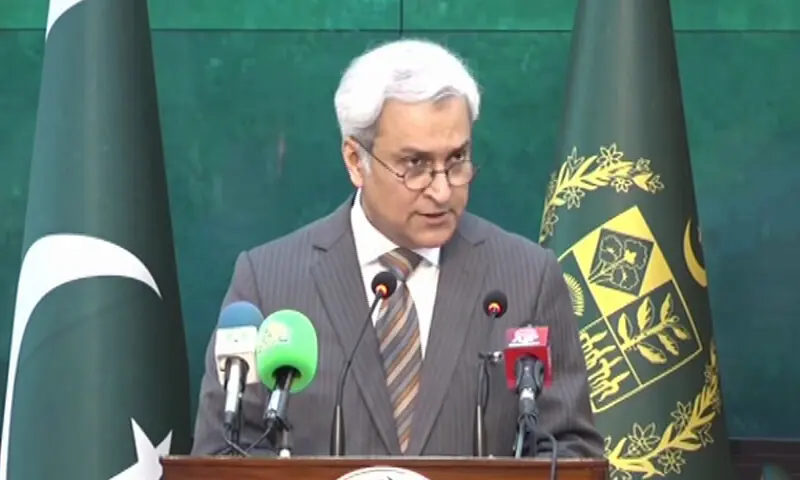
US President Donald Trump announced the blockade following the collapse of peace talks between the US and Iran in Islamabad. The action was a direct response to Iran's earlier move, which had brought traffic through the strait to a near-total halt after US-Israeli attacks on its territory since late February. The Iranian control over the chokepoint had previously caused global gas and petrol prices to skyrocket. Washington's stated goal is to make it "impossible for Iranian tankers" to transit, thereby reclaiming strategic dominance.
However, on the first full day of the blockade, shipping data revealed a nuanced reality. At least three vessels, including two US-sanctioned tankers, entered the Gulf through the strait. As reported by Al Jazeera, these ships were not heading to Iranian ports and were therefore not directly affected by the blockade's specific terms. Among them was the Panama-flagged Peace Gulf, a tanker known for moving Iranian naphtha to other Middle Eastern ports for eventual export to Asia.
The Significance of Rich Starry's Passage
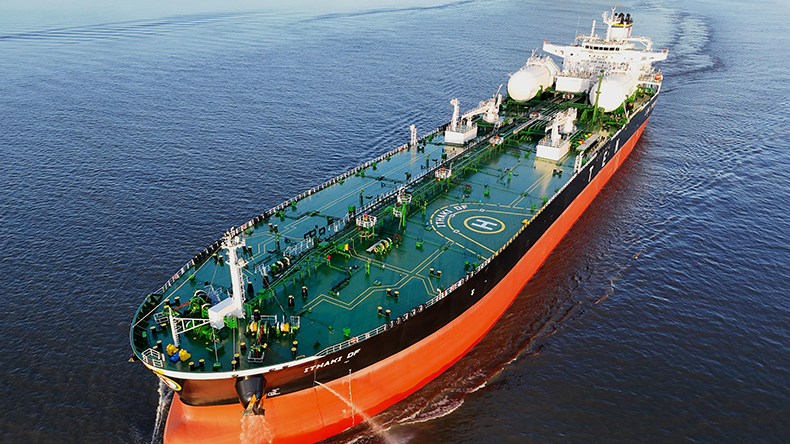
The Rich Starry, a medium-range tanker capable of carrying about 250,000 barrels, emerged as the most symbolically important vessel. Data from LSEG and Kpler showed it would be the first sanctioned tanker to not only enter but also exit the Gulf since the blockade began. The vessel, owned by Shanghai Xuanrun Shipping Co Ltd, was sanctioned by the US for dealings with Iran. At the time of its transit, it was carrying a cargo of methanol loaded at Hamriyah port in the United Arab Emirates and had a Chinese crew on board.
Its successful passage highlights a key limitation of the blockade: it targets destination, not identity. A sanctioned vessel can still move freely if its voyage is between non-Iranian ports. This creates a complex environment for commercial shipping, which, as noted by Al Jazeera's Malik Traina reporting from Kuwait City, now must navigate permissions from both Iranian authorities, who control the strait, and the US Navy enforcing the blockade. "There's a real risk of escalation here," Traina warned, "because if Iranian vessels are stopped... Iran could perhaps stop other vessels from the Gulf coming and entering the strait."
International Reactions and Broader Implications
The move drew sharp criticism from China, a major stakeholder in regional stability and the primary buyer of Iranian oil. Chinese Ministry of Foreign Affairs spokesman Guo Jiakun condemned the US action as "dangerous and irresponsible behaviour" that would "exacerbate tensions and undermine the already fragile ceasefire agreement." He emphasized that the blockade "further jeopardises safety of passage through the strait."
China's concern is deeply economic. According to data cited in the report, China purchased more than 80% of Iran's shipped oil the previous year, with imports reaching 1.4 million barrels per day. With over half of its oil coming from the Middle East, Beijing views secure transit through the Strait of Hormuz as a critical national interest. The blockade directly challenges that interest.
Conclusion: A Precarious Balance
The transit of the Rich Starry is more than a maritime incident; it is a microcosm of the escalating tensions in the Gulf. It demonstrates the immediate practical challenges of enforcing a selective blockade in one of the world's busiest and most contested waterways. While the US aims to pressure Iran, the action complicates logistics for all commercial traffic, risks a tit-for-tat escalation with Tehran, and antagonizes a major power like China. Despite the hardened positions, diplomatic channels reportedly remain open, with Pakistan offering to continue hosting talks. The coming days will reveal whether the blockade tightens, leading to a more direct confrontation, or whether it becomes a bargaining chip in renewed negotiations. The safe passage of ships like the Rich Starry may become increasingly uncertain as the strategic game unfolds.