Read on bbc.com
Recovery of Ancient Romanian Golden Helmet After Dutch Museum Heist
A 2,500-year-old golden helmet, one of Romania's greatest national treasures, has been recovered more than a year after it was stolen during an armed raid on the Drents Museum in the Netherlands. The helmet and two accompanying golden bracelets, dating from around 450 BC, were unveiled as returned to the museum, though a third bracelet remains missing. The theft, which involved explosives and caused a diplomatic dispute, highlights ongoing security challenges for priceless cultural artifacts on international loan.
In a significant victory for cultural heritage protection, a 2,500-year-old golden helmet of immense historical value to Romania has been recovered, more than a year after it was stolen in a brazen heist from a Dutch museum. The artifact, known as the Coțofenești helmet, along with two of three golden bracelets, was returned to the Drents Museum in Assen, Netherlands, in April 2026. This recovery marks the end of a high-profile international investigation, though the search continues for one missing bracelet. The case underscores the persistent vulnerabilities faced by museums housing priceless artifacts on loan and the complex international cooperation required to retrieve stolen cultural property.

The Heist and Investigation
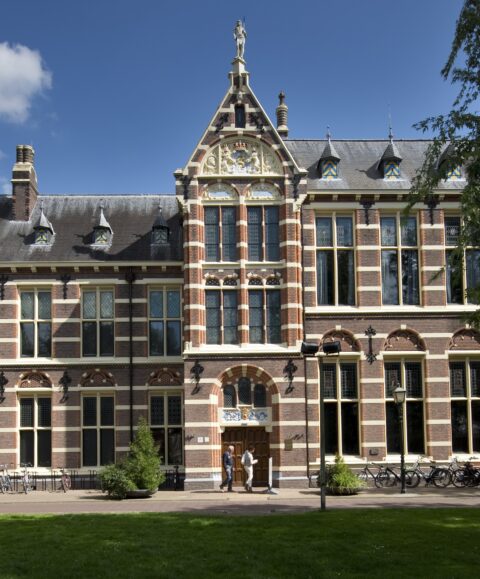
The theft occurred in January 2025 when an armed gang used explosives to break into the Drents Museum in the northern Netherlands. The target was a special exhibition titled "Dacia - empire of gold and silver," which featured artifacts on loan from Romania's National History Museum. The stolen items included the iconic golden helmet and three matching bracelets, dating back to approximately 450 BC, representing the Dacian civilization that thrived in present-day Romania before the Roman conquest. The theft caused immediate outrage in Romania and sparked a diplomatic spat between the two nations regarding security protocols and responsibility.
The investigation moved swiftly, with Dutch authorities arresting three suspects—two men in their mid-30s and one aged 21—within days of the robbery. However, the artifacts themselves had vanished. Art experts speculated that the pieces were likely stolen to order by a sophisticated criminal network, given their unique nature and difficulty to sell on the open market. The recovery came over a year later, following negotiations between prosecutors and defense lawyers for the suspects. As part of a pre-trial agreement, the helmet and two bracelets were handed over to authorities. The suspects are scheduled to face trial later in the month.
Recovery and Condition of the Artifacts
The recovered treasures were unveiled to the public and media in a secured display at the Drents Museum, guarded by armed police. Romanian prosecutor Daniela Buruiană described the moment as a "long-awaited result," expressing happiness at witnessing the recovery of Romania's cultural patrimony. Museum director Robert van Langh reported that while the helmet had sustained a minor dent, it was in restorable condition. The two recovered bracelets were found to be in perfect state. The third bracelet, however, remains at large, with prosecutor Rareș-Petru Stan affirming that the investigation continues to locate it. He praised the "hard work and keeping the faith" of Dutch colleagues in the joint effort.
Broader Implications and Security Concerns
This incident is not isolated but part of a troubling trend targeting regional museums in the Netherlands. These institutions often face significant challenges in providing fortress-like security for transient, high-value exhibitions. In recent years, Dutch provincial museums have been hit by several major thefts. For example, in 2024, two Andy Warhol works were stolen from a gallery in the southern Netherlands, and in 2020, a valuable Frans Hals painting was taken from a museum in Leerdam. The Drents Museum heist revealed specific vulnerabilities; the golden artifacts were displayed in a standard glass case that offered little resistance to the determined, armed thieves using explosives.
The fallout from the theft also had significant professional and financial repercussions. The Dutch government paid an insurance compensation reported to be €5.7 million to Romania. Meanwhile, in Bucharest, Ernest Oberländer-Târnoveanu, the former head of the National History Museum who authorized the loan, faced intense domestic criticism and lost his position shortly after the theft. Upon the helmet's recovery, he expressed profound relief, calling it "a unique item in European and even global cultural heritage" and an important symbol of Dacian social and political identity. The case serves as a stark reminder of the immense responsibility and risk involved in the international exchange of cultural treasures, prompting museums worldwide to re-evaluate security measures for loaned artifacts.