Read on France 24
France's Nuclear Strategy: A Cornerstone of Sovereignty and Energy Security
France stands as a global outlier for its deep reliance on nuclear energy, a strategic choice rooted in history and geopolitics. This article explores the origins of France's atomic bet, tracing it back to the post-war era and the pursuit of energy independence. We examine how nuclear power evolved from a simple energy source into a pillar of national sovereignty and technological prowess. The analysis also addresses the ongoing debate about the environmental credentials of nuclear energy within France's broader energy and climate strategy.
France's energy landscape is uniquely defined by the atom. As one of the most nuclear-dependent nations globally, the country has placed atomic power at the very core of its national energy strategy for decades. This profound commitment raises critical questions: when and why did France make this pivotal bet on nuclear energy, and what does this choice signify beyond mere electricity generation? The journey reveals a story intertwined with national sovereignty, technological ambition, and a continuous quest for energy independence in an unpredictable world.
The Historical Roots of France's Nuclear Bet
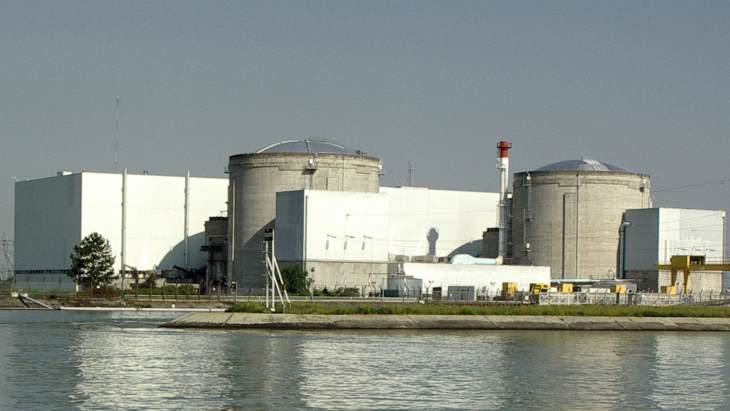
The decision to embrace nuclear power was not born overnight. It was a strategic response to the geopolitical and economic realities of the mid-20th century. In the aftermath of World War II and during the subsequent decades, France faced a critical need to secure its energy supply. The 1973 oil crisis served as a powerful catalyst, starkly highlighting the vulnerabilities of dependence on imported fossil fuels. This event accelerated a pre-existing national ambition, cementing the political will to develop a domestic, large-scale energy source that could guarantee stability and independence.
Nuclear Energy as a Pillar of National Sovereignty
For France, nuclear power has always been more than just megawatts. It represents a cornerstone of national sovereignty. By developing and controlling a complex, high-tech energy sector from fuel cycle to reactor design and waste management, France carved out a significant degree of energy autonomy. This sovereignty extends beyond borders, with the state-owned utility EDF and reactor designer Framatome (now part of Orano and EDF) becoming global players. The nuclear program became a symbol of French engineering excellence and strategic independence, allowing the nation to dictate its energy destiny largely free from external market shocks or political pressures.
The Clean Energy Debate and France's Position
The question of whether nuclear energy is truly a "cleaner" source remains a topic of intense global debate, and France's experience is central to it. Proponents point to the very low carbon dioxide emissions during electricity generation compared to fossil fuels, a factor that has helped France maintain one of the lowest carbon-intensive electricity grids in the industrialized world. This attribute aligns with climate goals. However, critics highlight enduring challenges: the long-term management of radioactive waste, the environmental impact of uranium mining, and the risks associated with potential accidents. France's strategy has inherently accepted this trade-off, prioritizing carbon-free baseload power and energy security while working on solutions for waste, such as the planned deep geological repository project.
The Future of the French Nuclear Fleet
Today, France's nuclear strategy is at a crossroads. The existing fleet of reactors, which provides about two-thirds of the country's electricity, is aging. This necessitates a dual-track approach: a massive program to extend the operational life of current plants through extensive safety and modernization upgrades, and the concurrent development of a new generation of reactors, the EPR2. The goal is to renew the nuclear park to ensure it continues to serve as the backbone of a decarbonized electricity system for decades to come. This renewal is framed as essential for meeting future electricity demand from electrification and for maintaining the energy sovereignty that has been a hallmark of French policy.
Conclusion: A Strategic Choice with Enduring Legacy
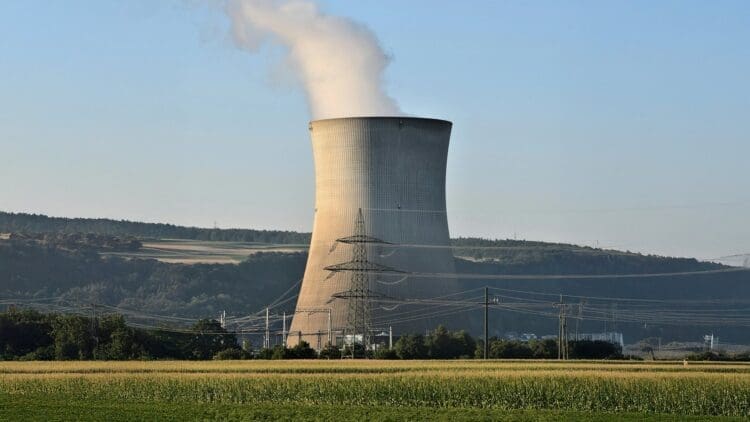
France's heavy bet on nuclear energy was a deliberate, long-term strategic choice born from a desire for autonomy and security. It successfully transformed the country into a global leader in nuclear technology and provided a largely decarbonized and independent electricity supply for generations. While debates over its environmental footprint and costs persist, the atom remains deeply embedded in France's national identity and its vision for a secure energy future. The ongoing challenges of fleet renewal and waste management will test the resilience of this model, but the fundamental commitment to nuclear power as a pillar of sovereignty appears unwavering for the foreseeable future.