Read on bbc.com
Georgia Congressional Race Heads to Runoff Between Republican Clay Fuller and Democrat Shawn Harris
The special election to replace former Georgia Congresswoman Marjorie Taylor Greene is projected to head to a runoff on 7 April, as no candidate secured a majority in Tuesday's crowded primary. Republican Clay Fuller, endorsed by former President Donald Trump, will face Democrat Shawn Harris, who received the most votes in the initial election. This runoff serves as an early test of Trump's influence ahead of the November midterms and will determine who completes Greene's term in Georgia's 14th congressional district.
The political landscape in Georgia's 14th congressional district is set for a decisive showdown as the special election to replace former Congresswoman Marjorie Taylor Greene heads to a runoff. With none of the 17 candidates securing a majority in Tuesday's primary, Republican Clay Fuller and Democrat Shawn Harris have emerged as the top contenders, setting the stage for a high-stakes election on 7 April. This contest not only determines who will serve the remainder of Greene's term but also serves as an early indicator of political momentum heading into the critical midterm elections.

Election Results and Runoff Dynamics
According to a projection by the BBC's US partner CBS, Democrat Shawn Harris received the most votes in Tuesday's election, a result attributed to the splintering of the Republican base among multiple candidates. Republican Clay Fuller secured the second-highest vote count, earning him a place in the runoff. The crowded field of 17 candidates, spanning both major parties, made it impossible for any single candidate to achieve the required majority, automatically triggering the runoff process as outlined by Georgia election law.
The runoff election, scheduled for 7 April, will present voters with a clearer binary choice. Political analysts suggest this dynamic may benefit Fuller, as Republican voters who previously supported other candidates in the crowded primary are likely to coalesce behind the Trump-endorsed candidate. Meanwhile, Harris will need to maintain his initial voter base while potentially reaching out to moderate Republicans and independents dissatisfied with Greene's controversial tenure.
Candidate Profiles and Campaign Platforms
Clay Fuller: The Trump-Endorsed Republican
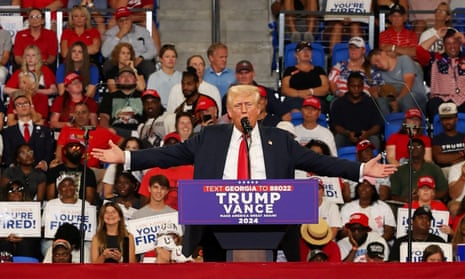
Clay Fuller, a former district attorney, has centered his campaign around alignment with former President Donald Trump's priorities. Trump gave Fuller his "complete and total endorsement" in a Truth Social post and reinforced this support during a rally in Rome, Georgia last month. Fuller's platform echoes Trump's signature issues, advocating for mass deportation policies, increased domestic manufacturing, and a tough-on-crime stance. Following his second-place finish in the primary, Fuller emphasized Trump's importance to his campaign, stating, "For those of you who questioned how important Donald J Trump is to this country, to Georgia 14, and the state of Georgia, you see what this man means to this community."
Shawn Harris: The Democratic Challenger
Shawn Harris, a retired Army Brigadier General and local farmer, represents the Democratic hope to flip a seat held by Republicans for six years. Harris told the BBC his campaign would continue to "stay true to what we've been doing" ahead of the runoff, emphasizing outreach to voters who supported other candidates initially. He stated, "Everybody who voted for any other candidate [...] I want to talk to every last one of them, and say: 'Give me a chance.'" Harris has received support from prominent Democrats, including former presidential candidate Pete Buttigieg, who congratulated Harris on X and promised to campaign with him.
Political Context and National Implications
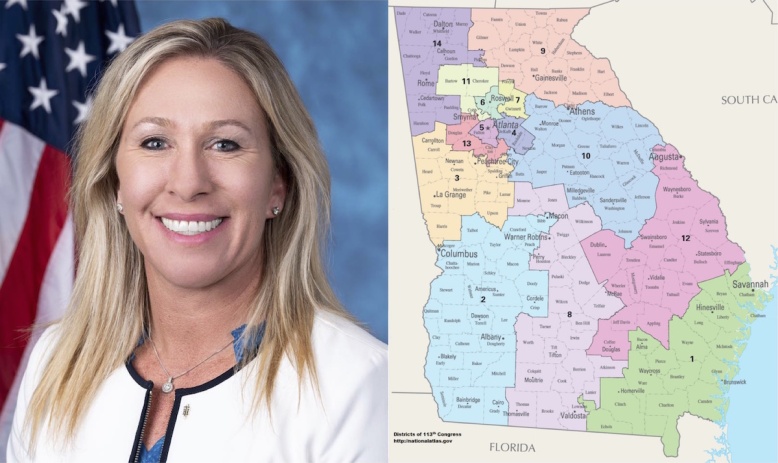
This special election serves as an early test of former President Trump's continued influence within the Republican Party and his ability to shape electoral outcomes ahead of the November midterms. The race also occurs against the backdrop of Marjorie Taylor Greene's controversial tenure, during which she developed a reputation for bombastic committee appearances, embracing conspiracy theories, and supporting hardline immigration policies. Her eventual fallout with Trump over the Epstein Files Transparency Act created unusual divisions within the MAGA movement that continue to resonate in district politics.
Since leaving office in January, Greene has used her social media platform to criticize Trump regarding US and Israel's military operations against Iran, further highlighting the complex political dynamics at play in this deeply conservative district. Voters interviewed by the BBC expressed varied motivations, with some Republicans citing Trump's endorsement as decisive while others emphasized candidates' personal qualities and military service. Democrats in the district expressed hope for more constructive representation, with one voter telling the BBC she wanted "a more positive" personality who would "speak kindly" to all constituents regardless of party.
Looking Ahead to 7 April and Beyond
Whoever wins the 7 April runoff will serve the remainder of Greene's term, which ends in January, but must immediately begin campaigning for a full term in the November midterms. This creates a unique situation where the runoff winner will essentially serve in Congress while simultaneously running for election to the next term. The outcome will provide valuable insights into voter sentiment in a district that has been a Republican stronghold but may be showing signs of political evolution following Greene's divisive tenure.
The condensed timeline between the runoff and the general election means both candidates must maintain campaign momentum regardless of the April outcome. For Republicans, a Fuller victory would reinforce Trump's endorsement power and potentially unify the party ahead of November. For Democrats, a Harris win would represent a significant upset in traditionally conservative territory and could signal changing demographics or voter priorities in northwest Georgia.