The New Political Fundraising Frontier: How Content Creators Are Mobilizing Millions
A significant shift is occurring in political fundraising as content creators leverage their massive social media followings to generate millions in donations. Through Discord servers, Instagram DMs, and livestreams, influencers are organizing grassroots campaigns that bypass traditional political fundraising models. This emerging creator-led movement is transforming how political causes raise money, making political giving more accessible to younger, digitally-native audiences while creating new infrastructure outside established party systems.
In the digital age, political fundraising is undergoing a radical transformation, moving from traditional galas and donor dinners to Discord servers and Instagram direct messages. Content creators with followings in the millions are now converting their online influence into political capital, raising substantial funds for candidates and causes through innovative grassroots campaigns. This shift represents a fundamental change in how political movements mobilize resources, leveraging the trust and engagement creators have built with their audiences.
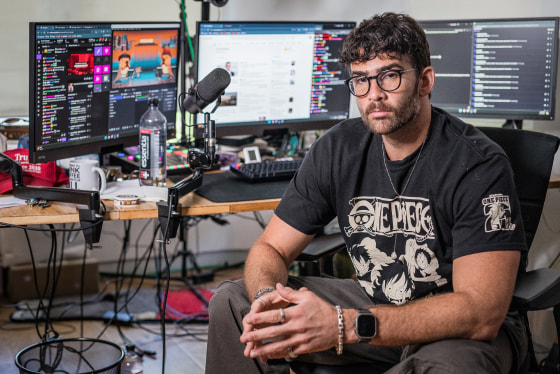
The traditional political fundraising model, dominated by super PACs and high-dollar donor events, is being challenged by a new wave of creator-led initiatives. These digital-first campaigns use familiar platforms like Twitch, YouTube, and Instagram to reach audiences that traditional political organizations often struggle to engage. The result is a more accessible form of political giving that resonates with younger generations who consume content primarily through social media and streaming platforms.
The Rise of Creator-Led Political Fundraising
Content creators are increasingly recognizing their potential to influence political outcomes beyond just messaging. While creators have become essential to campaign communication strategies in recent election cycles, they're now moving into direct fundraising—turning their platforms into virtual donation centers. This evolution represents a natural progression as creators seek to leverage their influence for tangible political impact.
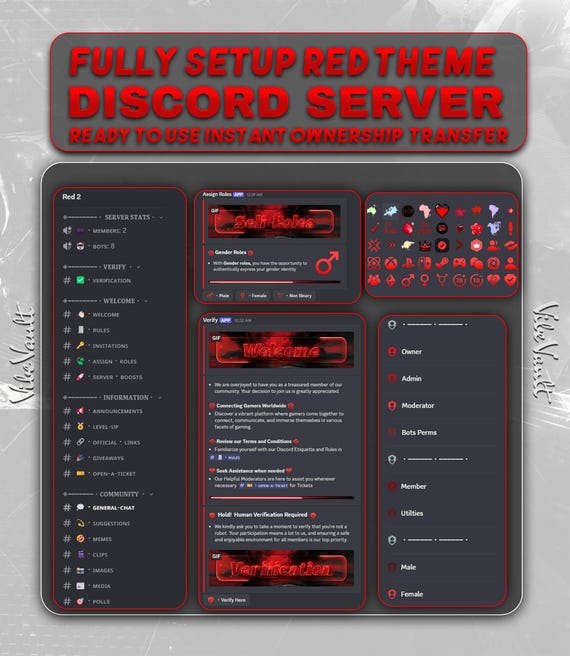
One prominent example of this trend is Creators for Peace, a collective established in 2024 that began as an Instagram group chat among creators wanting to raise money for Gaza relief. The group quickly expanded into a Discord server with more than 120 influencers boasting millions of combined followers across platforms like Instagram, Twitch, and YouTube. By organizing livestreams and sharing infographics with their audiences, the collective raised over $1.6 million for their initial campaign.
How Creator Fundraising Works
Unlike traditional political fundraising models that rely on publicly reported donors and established political infrastructure, creator-led campaigns use off-the-shelf digital tools and social networks to convert followers into donors. Platforms like Tiltify and Shopify enable creators to set up fundraising campaigns quickly, while Discord servers and group chats facilitate coordination among creators with aligned political interests.
The Infrastructure of Digital Fundraising
Creator collectives typically operate with minimal formal structure, often starting from scratch with each new campaign. Organizers reach out to creators individually, and once initial momentum builds, other influencers join organically. This flexible approach allows campaigns to adapt quickly to emerging political issues and opportunities, bypassing the bureaucratic hurdles that often slow traditional political organizations.
The accessibility of creator-led fundraising represents one of its most significant advantages. As noted by organizers, traditional fundraisers often require attendees to pay hundreds of dollars for a seat at a dinner event—a barrier that excludes many potential supporters. In contrast, creator campaigns offer merchandise like T-shirts, hats, and stickers at price points ranging from $5 to $50, making political participation more financially accessible to broader audiences.
The Cultural Shift in Creator Responsibility
The movement toward political fundraising reflects a broader cultural shift in how audiences perceive creator responsibility. During events like the 2020 Black Lives Matter protests, audiences began demanding that influencers across all content categories—from fashion to food—publicly address political issues. In these digital spaces, silence is increasingly interpreted as complicity, creating pressure for creators to take stands on political matters.
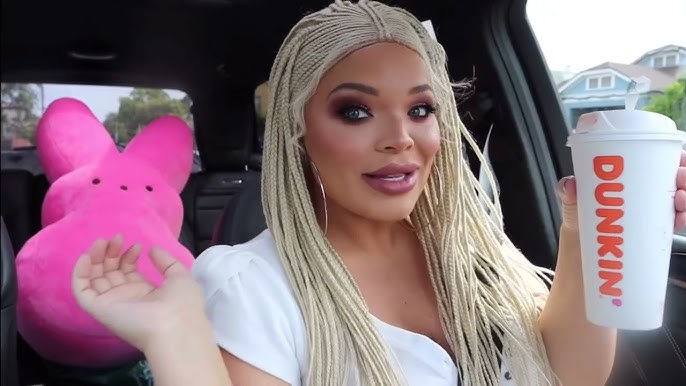
This expectation has pushed even traditionally apolitical creators into the fundraising arena. YouTuber Trisha Paytas, known more for provocative content than political activism, donated over $10,000 to the Creators Against ICE campaign in February 2024. By engaging creators outside the typical "leftist bubble," as organizers describe it, these campaigns can reach audiences that might otherwise remain disconnected from political fundraising efforts.
The Future of Political Fundraising
As the 2026 midterm elections approach, creators are building their own infrastructure to support campaigns and issues independently of traditional party structures. While fundraising for specific candidates hasn't yet reached the scale of creator-led issue campaigns, the success of initiatives like Creators for Peace suggests that creator political action committees might emerge as a significant force in future elections.
The creator fundraising model represents more than just a new method of raising money—it signals a fundamental shift in political engagement. By leveraging existing platforms and audience relationships, creators are making political giving more authentic, accessible, and integrated into daily digital life. As this trend continues to evolve, it may reshape not only how campaigns raise money but also who participates in political financing and what issues receive attention in the digital public square.