Read on France 24
UN Investigation Declares Russia's Deportation of Ukrainian Children a Crime Against Humanity
A United Nations investigation has concluded that Russia's deportation and forcible transfer of thousands of Ukrainian children during the ongoing war constitutes a crime against humanity. The UN's Independent International Commission of Inquiry on Ukraine found that Russian authorities have systematically removed children from occupied areas, focusing on long-term placement within Russia while failing to establish a system for their return or inform relatives of their fate. The report confirms over 1,200 cases and highlights that 80% of the children investigated have not been repatriated, underscoring a grave violation of international law.
A United Nations investigation has delivered a damning verdict on Russia's actions in Ukraine, declaring that the deportation and forcible transfer of thousands of Ukrainian children amounts to a crime against humanity. The findings, released by the UN's Independent International Commission of Inquiry on Ukraine, represent a significant escalation in the international legal assessment of Moscow's conduct during the war. This report, established shortly after the full-scale invasion in February 2022, provides concrete evidence of systematic violations that strike at the heart of international humanitarian law.
The UN Commission's Findings
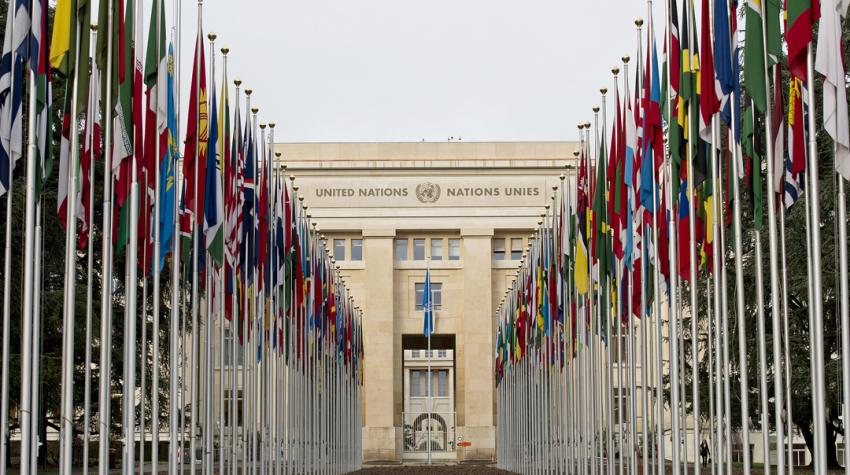
The UN commission's report states unequivocally that "Russian authorities have committed the crimes against humanity of deportation and forcible transfer, as well as of enforced disappearance of children." The investigation has confirmed 1,205 specific cases of children being taken from occupied Ukrainian territories to Russia, though the actual number is believed to be in the thousands. According to the findings detailed in the France 24 report, these actions were not guided by the best interests of the child and constitute clear violations of international law.
Systematic Failure to Facilitate Returns
A particularly alarming aspect of the commission's findings is Russia's failure to establish any meaningful system for the return of these children to Ukraine. Instead, Moscow has focused on the long-term placement of children with Russian families or in state institutions. The report notes that relatives of these children have often been left completely uninformed about their fate and whereabouts, creating what the UN characterizes as enforced disappearances. The commission confirmed that "four years on, 80 percent of the children deported or transferred in the cases investigated by the commission have not returned."
International Legal Context and Response
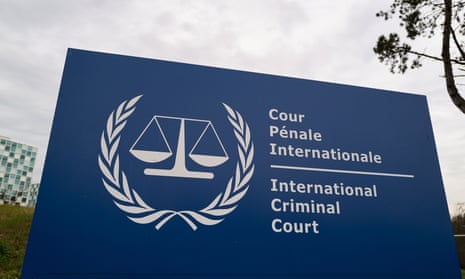
The UN findings build upon previous international actions, including the 2023 arrest warrant issued by the International Criminal Court (ICC) against Russian President Vladimir Putin for the unlawful deportation of children. The commission's report notes that Putin's "direct authority over entities that have steered and executed this policy, has been visible from the outset." This issue remains highly sensitive in Ukraine and is considered central to any potential peace negotiations between Kyiv and Moscow. Ukrainian authorities estimate that nearly 20,000 children have been forcibly removed, while Russia maintains it has acted to protect children from hostilities.
Broader Implications and International Reaction
The report's presentation at the UN Human Rights Council in Geneva marks a significant moment in the international documentation of war crimes in Ukraine. Ukrainian Foreign Minister Andrii Sybiha welcomed the findings, stating on social media platform X that "the international community must increase pressure on Russia to compel the aggressor to stop the ill-treatment of POWs and civilian detainees, ensure their release, and secure the return of deported and forcibly transferred Ukrainian children." The commission also expressed concern about Russia's systematic fabrication of evidence and violation of fair trial guarantees in cases related to the invasion.
The UN investigation represents a crucial step in establishing an official record of violations during the conflict. By classifying the deportation of children as a crime against humanity—a category reserved for the most serious offenses knowingly committed as part of a widespread or systematic attack against civilians—the commission has placed these actions among the gravest international crimes. The findings underscore the urgent need for mechanisms to facilitate the return of children to their families and communities in Ukraine, and for accountability for those responsible for orchestrating and executing this policy.