Read on the Guardian
North Korea's Nuclear Calculus: How Global Conflict Reinforces Pyongyang's Arsenal Ambitions
As global tensions escalate with the US-Israel war on Iran, North Korea's recent naval missile test takes on new strategic significance. Analysis suggests Pyongyang views nuclear weapons not as bargaining chips but as essential tools for regime survival. With speculation mounting about a potential Kim-Trump meeting, this article examines how international conflicts reinforce North Korea's commitment to its nuclear program and what this means for future diplomacy on the Korean peninsula.
In the shadow of escalating Middle Eastern conflict, North Korea's recent military demonstration carries profound implications for global security dynamics. As the United States and Israel continue their air bombardment of Iran, Pyongyang's strategic calculus appears increasingly focused on nuclear deterrence as the ultimate guarantor of regime survival. This analysis explores how international tensions reinforce North Korea's commitment to its nuclear arsenal and what this means for future diplomatic engagements.
The Strategic Message Behind Naval Missile Tests
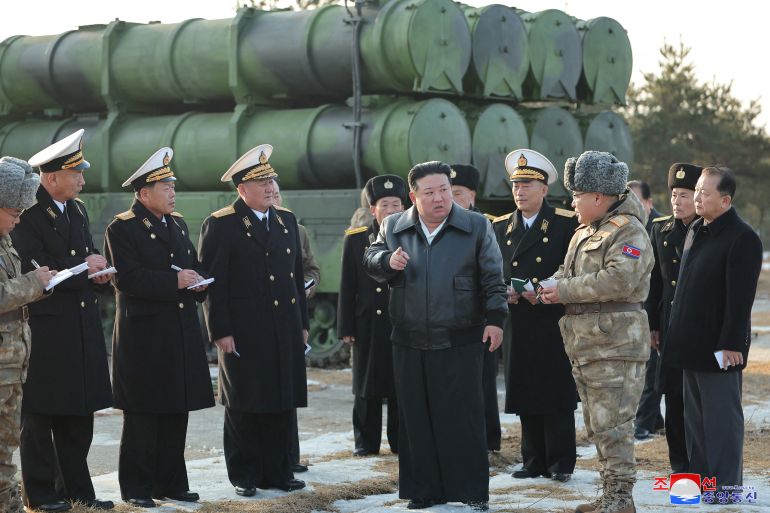
North Korea's recent launch of a missile from the 5,000-tonne destroyer-class vessel Choe Hyon represents more than routine military posturing. When leader Kim Jong-un described the test as proof that arming ships with nuclear weapons was "making satisfactory progress," he sent a deliberate message to international observers. This development signifies Pyongyang's ongoing efforts to diversify its nuclear delivery systems, moving beyond land-based platforms to create a more resilient and flexible deterrent capability.
The timing of this demonstration is particularly significant, coinciding with heightened tensions in the Middle East. According to analysis from The Guardian, Kim's pointed reference to nuclear weapons came as the US and Israel continued their air bombardment of Iran—a regime that former President Donald Trump had warned was only weeks away from having nuclear weapons. This parallel underscores how North Korea monitors global conflicts to validate its own security strategies.
Nuclear Weapons as Regime Insurance
For the Kim dynasty that has ruled North Korea since its founding in 1948, the nuclear program represents nothing less than existential insurance. The widening war in the Middle East—and the existential threat to the Iranian regime—has likely reinforced North Korea's decision to maintain and expand its nuclear arsenal. As Professor Song Seong-jong of Daejeon University noted after the Middle East conflict erupted, "Kim must have thought Iran was attacked like that because it didn't have nuclear weapons."
This perspective is rooted in recent history. North Korea has watched as regimes in Iraq and Libya faced military intervention after abandoning or failing to develop nuclear capabilities. Now, with Venezuela and Iran facing similar pressures, Pyongyang's commitment to nuclear deterrence appears vindicated in the eyes of its leadership. The regime views nuclear weapons not as bargaining chips but as non-negotiable components of national sovereignty and survival.
The Current State of North Korea's Nuclear Program
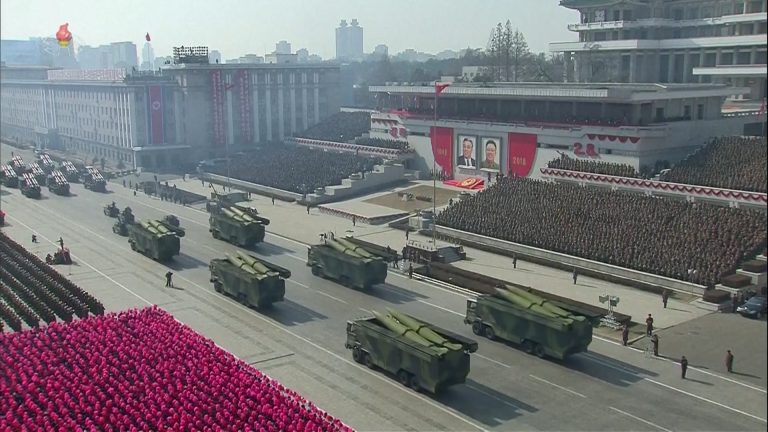
North Korea's nuclear weapons program has gathered significant momentum despite United Nations sanctions and diplomatic efforts. The country conducted its first nuclear test in 2006 and its most recent in 2017, though questions remain about the size of Pyongyang's arsenal and its ability to mate miniaturized nuclear warheads with long-range missiles capable of striking the US mainland.
According to a 2025 report from the Stockholm International Peace Research Institute cited by The Guardian, North Korea has assembled approximately 50 warheads and possesses enough fissile material to produce up to 40 more. This substantial arsenal, combined with Pyongyang's development of various delivery systems including submarine-launched and ship-based missiles, creates a formidable deterrent capability that complicates any potential military action against the regime.
Diplomatic Implications and Future Prospects
The North Korean foreign ministry's response to the war in Iran has been carefully calibrated. While condemning US and Israeli airstrikes as an "illegal act of aggression" that exposed Washington's "hegemonic and rogue" instincts, Pyongyang stopped short of condemning Trump by name. This nuanced approach leaves the door open to potential resumption of nuclear talks, though with significantly altered parameters from previous negotiations.
As Kim stated at a ruling party congress last month, "If the United States withdraws its policy of confrontation with North Korea by respecting our country's current status … there is no reason why we cannot get along well with the US." This statement suggests Pyongyang now expects recognition as a legitimate nuclear state—a fundamental shift from previous diplomatic frameworks that demanded denuclearization as a precondition for engagement.
Expert Perspectives on Negotiation Dynamics
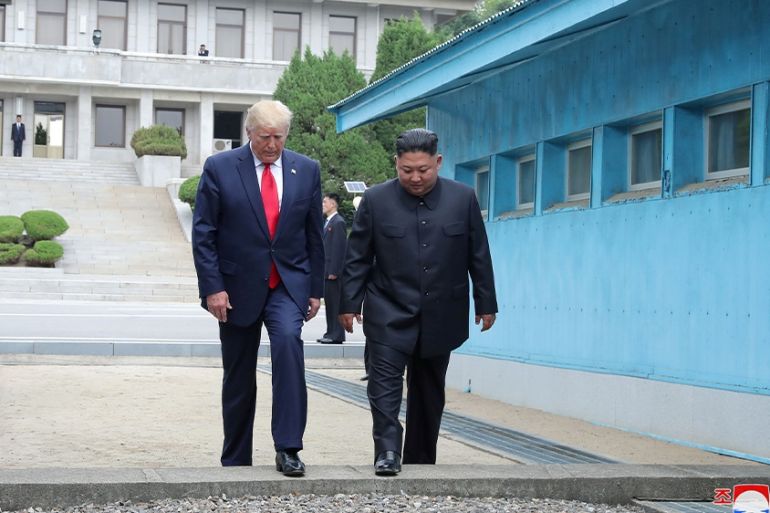
Analysts are divided on how the Iran conflict affects prospects for US-North Korea talks. Sydney Seiler, a senior adviser at the Center for Strategic and International Studies and former US special envoy, believes the conflict has made a nuclear deal less likely. "President Trump's willingness to use military force and threats for negotiating leverage must make Kim nervous and less likely to hastily seek talks," Seiler noted.
However, other experts point to Kim's desire to secure long-term regime survival and his rumored personal rapport with Trump as potential catalysts for renewed engagement. As Cho Han-bum of the Korea Institute for National Unification observed, "Unlike Iran, it's impossible to denuclearise North Korea," citing the widespread presence of nuclear sites across the isolated country. This reality suggests that any future negotiations would need to focus on arms control and verification rather than complete denuclearization.
Conclusion: Nuclear Possession as Security Strategy
The evolving global security landscape continues to validate North Korea's nuclear strategy in the eyes of its leadership. As the Iranian experience demonstrates, nuclear ambition without possession offers limited protection against military intervention. For Pyongyang, maintaining and expanding its nuclear arsenal represents the most reliable path to regime security and international relevance.
With speculation mounting about a potential Kim-Trump meeting later this month, any future diplomatic engagement will occur against this transformed strategic backdrop. North Korea enters negotiations not as a supplicant seeking sanctions relief but as a nuclear-armed state demanding recognition and security guarantees. This fundamental shift in power dynamics ensures that nuclear weapons will remain central to Korean peninsula security calculations for the foreseeable future, regardless of diplomatic overtures or international pressure.