Lebanon's Breaking Point: Civilian Despair Amid Escalating Conflict
A stark warning echoes from Beirut as Lebanese residents declare they 'really can't endure it anymore' amidst relentless Israeli strikes. Since early March 2026, over 570 Lebanese lives have been lost, with a recent attack on a central Beirut apartment building leaving residents traumatized by 'indescribable' sounds. This article examines the escalating humanitarian crisis, the reported 10,000+ ceasefire violations by Israel since November 2024, and the profound impact on civilian life and regional stability as desperation reaches a critical threshold.
The desperate plea from a Lebanese resident—'We really can't endure it anymore'—encapsulates a nation pushed to its breaking point. This sentiment, reported by CGTN, is not an isolated cry but a collective expression of exhaustion and trauma felt across Lebanon. The country finds itself caught in a devastating cycle of violence, with civilian infrastructure and lives bearing the brunt of an intensifying conflict. This article explores the current humanitarian crisis, the scale of military actions, and the profound implications for Lebanon's stability and its people's resilience.
The Immediate Trauma: Attacks on Civilian Centers
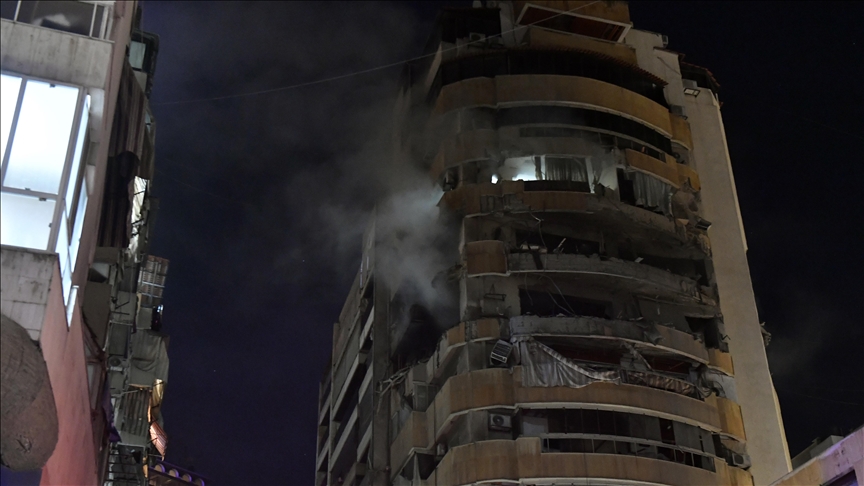
The conflict's human cost became terrifyingly clear with a recent Israeli strike on a residential building in central Beirut. The attack damaged two floors of the apartment complex, with nearby residents describing the sound as 'indescribable.' Such incidents transform neighborhoods from safe havens into zones of fear, shattering the fundamental sense of security for countless families. Targeting areas with dense civilian populations creates waves of psychological trauma that extend far beyond the immediate physical damage, eroding the social fabric of communities.
The Staggering Human Toll
According to Lebanese officials cited in the report, the violence has claimed approximately 570 lives in Lebanon since March 2, 2026. This figure represents not just a statistic but a profound national loss—families torn apart, communities grieving, and a generation scarred by violence. Each number corresponds to an individual story cut short, a network of relationships destroyed, and a contributor to Lebanon's future lost. The cumulative effect of such losses creates a national trauma that will require generations to heal, compounding the country's existing economic and political challenges.

Systematic Ceasefire Violations and Regional Implications
The scale of the conflict extends beyond isolated incidents to systematic patterns of escalation. United Nations peacekeepers report that Israel has violated its ceasefire with Lebanon more than 10,000 times since the agreement began in November 2024. This staggering number indicates not occasional breaches but a sustained campaign that undermines diplomatic efforts and international law. Such persistent violations normalize a state of perpetual conflict, making meaningful dialogue and peaceful resolution increasingly difficult to achieve while destabilizing the broader Middle East region.
The Path Forward: Endurance Tested Beyond Limits
When citizens declare they 'can't endure it anymore,' they signal more than physical exhaustion—they describe the collapse of hope and the limits of human resilience. Lebanon's capacity to absorb shock, already strained by years of economic crisis and political instability, is being tested beyond sustainable limits. The international community faces urgent questions about intervention, humanitarian aid, and diplomatic pressure to prevent further escalation. The situation demands not just ceasefire monitoring but active conflict resolution that addresses root causes and protects civilian lives as the paramount concern.
The testimony from Lebanon presents a urgent humanitarian imperative. The reported 570 deaths, 10,000+ ceasefire violations, and attacks on civilian infrastructure like the Beirut apartment building collectively paint a picture of a crisis demanding immediate international attention and action. The plea 'We really can't endure it anymore' should serve as a catalyst for renewed diplomatic efforts, strengthened humanitarian response, and a recommitment to protecting civilian lives in conflict zones. Lebanon's stability and its people's wellbeing hang in the balance, requiring concerted global action before resilience turns to irreversible despair.