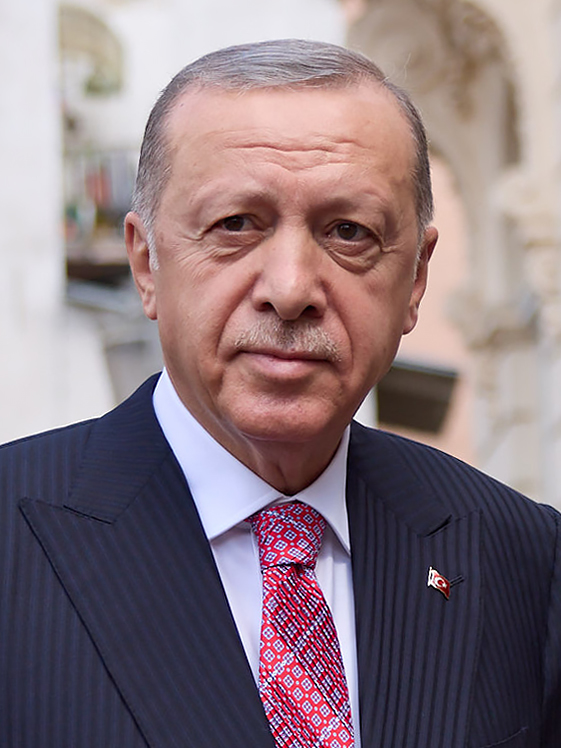
Read on France 24
Mass Displacement in Lebanon: Over 100,000 Flee in 24 Hours Amid Escalating Strikes
A severe humanitarian crisis is unfolding in Lebanon as Israeli airstrikes on the southern outskirts of Beirut have triggered a massive and rapid exodus. Within a single day, more than 100,000 people were forced to flee their homes, adding to a staggering total of approximately 667,000 displaced since hostilities began. This escalation follows attacks by Hezbollah on Israel, marking a dangerous intensification of cross-border conflict that is overwhelming local infrastructure and creating urgent needs for shelter, food, and medical aid for a vulnerable civilian population.
The conflict along the Lebanon-Israel border has entered a devastating new phase, characterized by intense airstrikes and a resulting humanitarian emergency of alarming scale. Recent reports indicate a dramatic surge in civilian displacement, with over 100,000 individuals fleeing their homes in southern Beirut within just 24 hours. This rapid exodus underscores the immediate and severe impact of the escalating military actions on the civilian population, pushing local response capabilities to their limits.

The Scale of the Crisis
The current wave of displacement is not an isolated event but part of a larger, ongoing catastrophe. According to coverage from France 24, the total number of people displaced since the start of the hostilities has reached approximately 667,000. This figure represents a significant portion of Lebanon's population, which was already grappling with a profound economic crisis prior to the conflict. The speed of the latest displacement—averaging more than 4,000 people per hour—highlights the intensity of the military strikes and the pervasive fear among residents.
Context and Escalation
The latest round of airstrikes by Israel, which have pounded areas south of Beirut, are a direct response to attacks launched by the Lebanese militant group Hezbollah. This cycle of retaliation marks a significant geographical expansion of the conflict, bringing it closer to the Lebanese capital and its densely populated suburbs. The targeting of these areas, which are strongholds of Hezbollah, has inevitably placed civilian infrastructure and residential neighborhoods in the crossfire, leading to the mass flight now being witnessed.

Humanitarian Impact and Challenges
The sudden influx of hundreds of thousands of displaced people creates immense strain on Lebanon's already fragile systems. Shelter is the most immediate concern, with schools, public buildings, and informal settlements quickly becoming overcrowded. Access to clean water, food, and medical care is severely compromised, raising the risk of disease outbreaks. The psychological trauma inflicted on families, particularly children, who are forced to abandon their homes with little notice, represents another profound layer of this crisis. Local aid organizations and international agencies are scrambling to respond, but the scale and speed of the displacement are overwhelming available resources.
Regional and International Implications
This escalation threatens to further destabilize an already volatile region. The movement of such a large number of people within Lebanon could alter local demographics and increase social tensions. Furthermore, the intensification of conflict risks drawing in other regional actors or triggering broader hostilities. The international community faces urgent calls to facilitate de-escalation, ensure the protection of civilians under international law, and significantly increase humanitarian funding and access to assist those affected.
Conclusion and Path Forward
The situation in southern Lebanon represents a stark humanitarian emergency driven by military escalation. The statistic of 100,000 people displaced in a day translates to countless individual stories of loss, fear, and uncertainty. A lasting solution requires an immediate cessation of hostilities to prevent further civilian suffering and displacement. Concurrently, a robust and coordinated international humanitarian response is critical to address the acute needs of the displaced population. Ultimately, a return to dialogue and a political solution is the only sustainable path to stability for the people of Lebanon and the broader region.