Turkish President Erdogan Urges Negotiations to Prevent Regional Escalation in Iran War
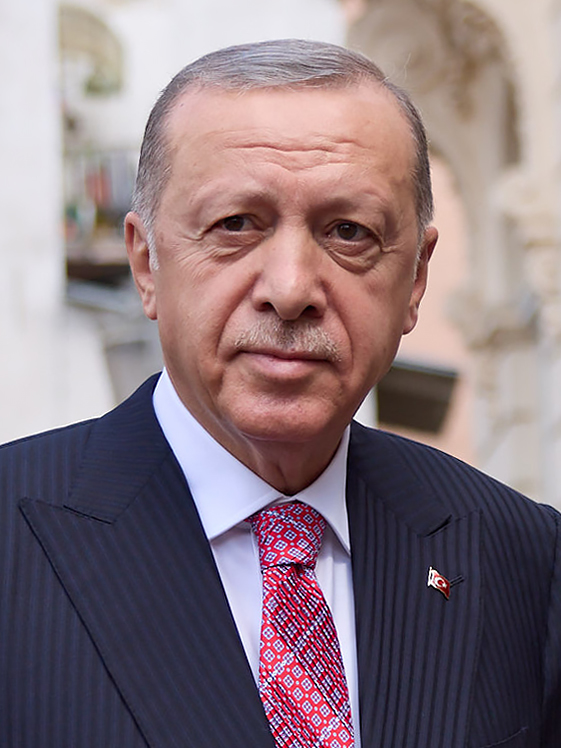
Turkish President Recep Tayyip Erdogan has issued a stark warning, calling for an immediate return to the negotiating table to de-escalate the ongoing conflict involving Iran. He cautioned that continued hostilities risk setting the entire Middle East region ablaze. This statement comes amid reports of Iranian attacks on targets in Israel and the Gulf, highlighting the conflict's expanding geographical scope and the urgent need for diplomatic intervention to prevent a wider regional war.
In a significant diplomatic intervention, Turkish President Recep Tayyip Erdogan has called for an urgent cessation of hostilities and a return to negotiations concerning the ongoing Iran war. His warning that the conflict risks "setting the entire region on fire" underscores the grave potential for regional escalation. This statement positions Türkiye, a key regional power with diplomatic ties to various actors, as a potential mediator seeking to avert a broader catastrophe.
The Context of the Escalating Conflict
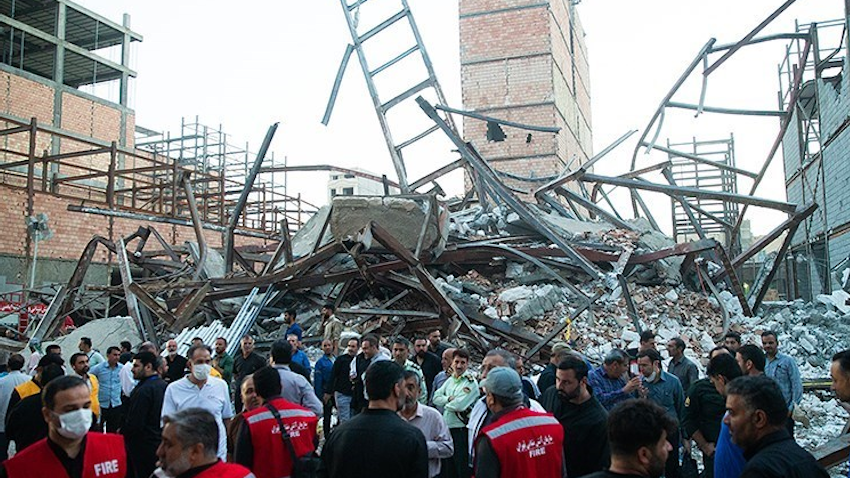
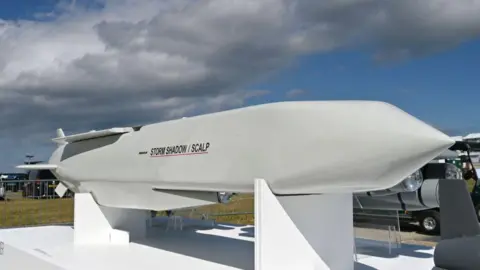
President Erdogan's appeal is not made in a vacuum. It follows a series of reported military actions that have expanded the conflict's footprint beyond Iran's immediate borders. According to reports from Al Jazeera, recent developments include Iranian attacks on Israel, resulting in casualties in Tel Aviv and the occupied West Bank. Furthermore, the conflict has drawn in Gulf states, with Qatar ordering Iranian security officials to leave following an attack on the Ras Laffan industrial site, and Saudi Arabia reporting strikes on two of its refineries near Riyadh. This pattern of attacks indicates a dangerous spillover effect.
Türkiye's Diplomatic Stance and Regional Role
Türkiye's geographical position and complex foreign policy relationships with Iran, Gulf Arab states, and Israel place it in a unique, albeit challenging, position. President Erdogan's call for negotiations reflects Ankara's vested interest in regional stability. A full-scale war would directly threaten Türkiye's security and economic interests, including trade routes and energy supplies. Historically, Türkiye has attempted to balance its relations, and this latest statement can be seen as an effort to reassert its role as a necessary diplomatic actor in a crisis where traditional channels have broken down.

The Imperative for Negotiation
The core of Erdogan's message is a warning against the logic of military escalation. The phrase "sets the entire region on fire" is a powerful metaphor for the domino effect that could ensue, drawing multiple state and non-state actors into a protracted and devastating conflict. The reported attacks on energy infrastructure in Qatar and Saudi Arabia are a prime example of how economic and strategic assets become targets, which can cripple global energy markets and inflame existing regional rivalries. Negotiation, from this perspective, is not merely a diplomatic preference but a strategic necessity to contain the fire before it becomes an uncontrollable inferno.
Challenges and the Path Forward
While the call for talks is clear, the path to achieving them is fraught with obstacles. Deep-seated animosities, a lack of trust between the primary belligerents, and the involvement of multiple international stakeholders with competing interests make mediation exceedingly difficult. The success of any Turkish-led or supported initiative would depend on securing buy-in from all parties and potentially the backing of major global powers. The immediate priority, as highlighted by Erdogan's warning, is to establish a ceasefire to halt the expanding cycle of retaliation and create a window for dialogue.
In conclusion, President Recep Tayyip Erdogan's urgent appeal for negotiations over the Iran war is a critical intervention at a moment of extreme peril. It highlights the rapidly expanding nature of the conflict and the tangible risk of a region-wide conflagration. The international community must heed this warning and support all diplomatic efforts to de-escalate tensions. The alternative—a prolonged war that engulfs the Middle East—carries consequences too catastrophic to contemplate, affecting global stability, energy security, and countless lives.