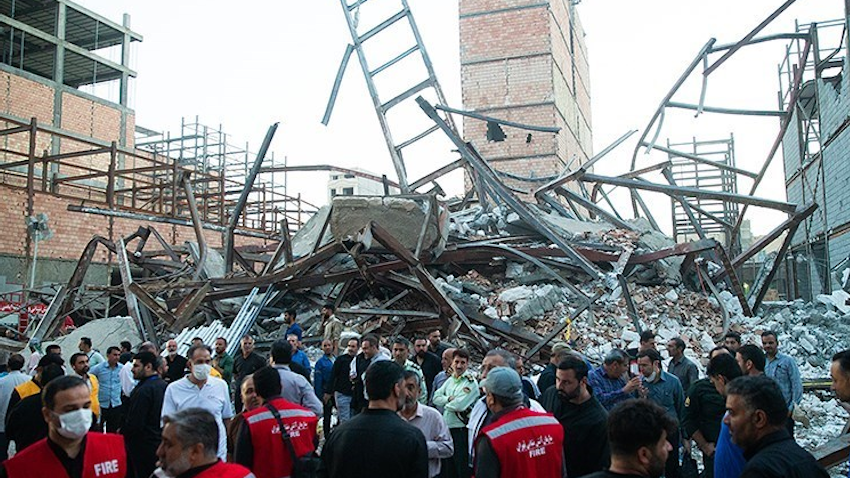
Mass Funeral in Tehran Mourns Iranian Commanders Killed in US-Israeli Strikes
Thousands of Iranians gathered in Tehran for a public funeral to mourn senior military officials killed in US-Israeli strikes on February 28, 2026. The event, held on March 11, underscores the escalating regional conflict triggered by the initial attack, which has since prompted retaliatory Iranian strikes against Israeli and US assets across the Gulf. The funeral highlights the domestic and geopolitical ramifications of the ongoing hostilities.
On March 11, 2026, the streets of Tehran filled with thousands of mourners participating in a public funeral for top Iranian military commanders killed in US-Israeli strikes. The event marks a significant moment in the ongoing regional conflict that began with the initial strikes on February 28, which Iran has since met with retaliatory attacks on Israeli and US interests. This gathering serves as both a domestic show of solidarity and a stark reminder of the escalating tensions in the Middle East.

Context of the Conflict
The funeral was held for senior officials, including security chief Larijani and Basij head Soleimani, who were killed in coordinated US-Israeli military actions. According to reports from Al Jazeera, these strikes on February 28 acted as the catalyst for a broader regional war. The immediate aftermath saw Iran launching a series of retaliatory attacks targeting central Israel and US assets across the Gulf region, signaling a significant escalation in hostilities.
Domestic and Geopolitical Implications
The mass turnout in Tehran demonstrates strong domestic support for the Iranian military and the government's response. Public funerals for high-ranking officials often serve to galvanize national sentiment and reinforce state narratives during times of conflict. Internationally, the event underscores the deepening crisis, with the region now facing sustained military exchanges that threaten to draw in broader international actors.
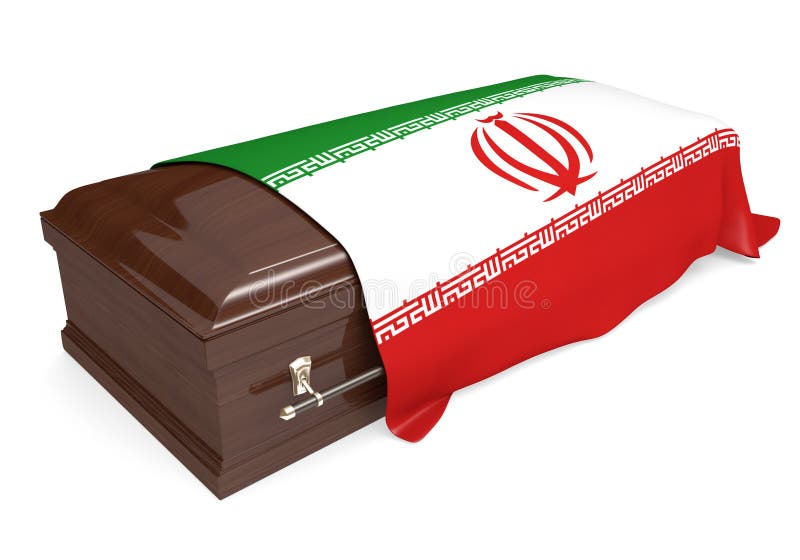
Regional Security Landscape
The conflict has already prompted notable reactions within the international community. The resignation of Joe Kent, Director of the US Counterterrorism Center, over the war on Iran, as reported, indicates internal policy disagreements and the complex challenges facing US strategy. The ongoing retaliatory strikes suggest a cycle of action and counteraction that complicates diplomatic efforts and risks further destabilizing an already volatile region.
In conclusion, the funeral in Tehran is more than a ceremony; it is a powerful symbol of the human and political cost of the ongoing US-Israeli-Iranian conflict. The large public mourning reflects national unity in the face of external aggression, while the continued military actions point to a protracted and dangerous regional confrontation with significant implications for global security.