Read on bbc.com
The Executors of Epstein's Estate: Richard Kahn and Darren Indyke's Alleged Roles
Richard Kahn and Darren Indyke, the accountant and lawyer appointed by Jeffrey Epstein as executors of his estate just days before his death, face congressional scrutiny and court allegations of complicity in his crimes. While not charged criminally, court filings from the US Virgin Islands case allege they facilitated financial transactions, managed shell companies, and even coerced marriages that supported Epstein's sex-trafficking operation. As they prepare to testify before the House Oversight Committee, questions remain about their knowledge of Epstein's activities and their control over an estate valued at hundreds of millions, including compensation for survivors and sensitive documents.
The administration of Jeffrey Epstein's vast estate and the secrets it contains rests in the hands of two men: accountant Richard Kahn and lawyer Darren Indyke. Appointed as co-executors just two days before Epstein's death in August 2019, they control all his wealth and possessions, estimated at roughly $635 million at the time of his death. Their forthcoming testimony before the House Oversight Committee, subpoenaed as part of the investigation into Epstein's network, brings renewed focus on allegations detailed in court filings that they were not merely financial administrators but active facilitators of his criminal enterprise.

Control Over Estate and Survivor Compensation
As sole executors, Kahn and Indyke administer the 1953 Trust, into which Epstein transferred all his wealth. This role grants them authority over the compensation program for survivors of Epstein's abuse. The Jeffrey Epstein Victim Compensation Program (EVCP), which they agreed to establish, has paid out approximately $121 million to 136 women, with another $48 million resolving 59 other claims. However, their administration has been controversial. They have approved settlements that include conditions preventing survivors from taking further legal action against them personally. Furthermore, a recent court filing indicates the estate has agreed to pay up to $35 million to survivors who sued Kahn and Indyke directly, alleging they facilitated Epstein's trafficking.
Allegations of Financial Facilitation
Court documents from the settled lawsuit brought by the US Virgin Islands (USVI) against Epstein's estate and the executors paint a detailed picture of alleged complicity. The filings claim Indyke and Kahn had signatory authority over virtually all of Epstein's approximately 140 bank accounts and helped run multiple corporations that allegedly existed to support his sex-trafficking operation.
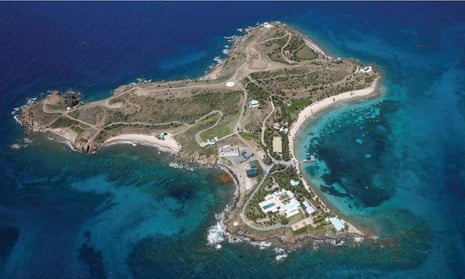
One specific allegation involves a New York-based design company managed by Kahn during the 2010s. The USVI lawsuit claims this company was part of a web of firms used to funnel money to victims and recruiters. The suit alleges the company was funded entirely from Epstein's personal accounts, its listed owner was a woman being abused by Epstein, and another person on the payroll was misrepresented as a designer. Kahn's lawyer, Dan Ruzumna, told the BBC his client's work was standard accounting and that Epstein's entities served legitimate business interests like employing staff and paying taxes.
The filings also detail unusual cash withdrawal patterns allegedly linked to Indyke. They claim he made 45 withdrawals of $7,500 each—the bank's limit for third-party withdrawals—from one of Epstein's personal accounts over two years. On another occasion, he allegedly split a $11,500 cash withdrawal into two transactions on consecutive days to "avoid all the paperwork." The lawsuit suggests these patterns were designed to avoid bank reporting requirements, as Epstein reportedly used cash to pay victims and recruiters.
The Question of Forced Marriages
Among the most serious allegations is that Indyke and Kahn "knowingly facilitated" coerced marriages. After his 2008 conviction, Epstein increasingly trafficked women from Eastern Europe. The USVI case alleges he encouraged these women to find U.S. citizens to marry to secure green cards, often suggesting same-sex marriages as the "fastest way."
The court documents claim the executors carried out the legal and accounting work for at least three such marriages. In one instance detailed, a U.S. woman abused by Epstein was forced into a marriage to prevent another victim's deportation. The filing alleges Indyke and an immigration lawyer prepared her for immigration interviews, while Kahn provided a letter of reference. When the woman later inquired about divorce, Indyke allegedly discouraged her and threatened she would lose "protection." Kahn's lawyer stated his client believed he was providing a legitimate favor, for which the couple thanked him.
Substantial Financial Benefits and Ongoing Role
The executors profited significantly from their relationship with Epstein. Unredacted court papers claim that between 2011 and 2019, Indyke was paid $16 million and Kahn $10 million by Epstein and his companies, including loans that Epstein's will indicated should be "forgiven." As beneficiaries of the trust, they could also receive tens of millions each from the remaining estate after claims are settled. Their legal fees are covered by the estate, and Epstein's will provides for a one-time payment of $250,000 to each for administering the estate.
Their role extends beyond finances to controlling Epstein's secrets. They have provided the House Oversight Committee with thousands of pages of documents but have redacted some materials, like Epstein's book of birthday messages, which their legal team says is to protect victims' identities. As one anonymous survivor told the BBC, "Jeffrey was just one human. There's no way that he would have been able to keep up with all this on his own. We always say, follow the money, right? If you follow the money, you can understand a lot about how this operation ran."
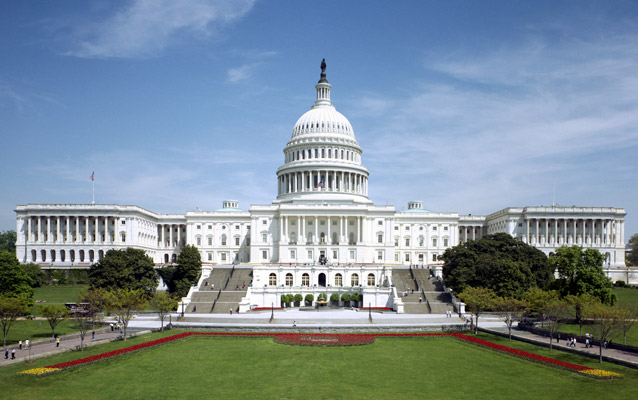
Legal Defenses and Congressional Scrutiny
Indyke and Kahn have consistently denied all allegations of wrongdoing. Daniel Weiner, Indyke's lawyer, emphasized to the BBC that "no judge in any court anywhere has ever found that Mr Indyke or Mr Kahn committed any wrongdoing of any kind" and that no woman has accused them of witnessing or being reported to about sexual abuse. Both men assert they were unaware of Epstein's crimes while providing professional services.
US Congressman Suhas Subramanyam, a House Oversight Committee member, told the BBC the executors "may be two of the best people to talk to" for insight into Epstein's affairs, noting that victims have mentioned them as having awareness of both financial dealings and sex trafficking. Their testimonies are scheduled for March 11 (Kahn) and March 19 (Indyke). As the anonymous survivor stated, "They need to answer for all of this. I just hope that people actually do speak and don't just plead the Fifth... because nothing is gained from that."