
 Read on France 24
Unprecedented Arrest: Andrew Mountbatten-Windsor Detained on Misconduct Allegations
In an unprecedented move in modern British history, UK police have arrested Andrew Mountbatten-Windsor, the younger brother of King Charles III, on suspicion of misconduct in public office. The arrest follows allegations that the former prince sent confidential government trade reports to convicted sex offender Jeffrey Epstein in 2010. Thames Valley Police confirmed the arrest of a man in his sixties from Norfolk, with simultaneous searches conducted at properties in Berkshire and Norfolk. King Charles has issued a statement expressing concern while emphasizing that 'the law must take its course.' This development marks a significant escalation in the years-long controversy surrounding Andrew's associations with Epstein, coming just months after he was stripped of his royal titles and military affiliations.
In a historic development that has shaken the British establishment, Thames Valley Police on Thursday arrested Andrew Mountbatten-Windsor, the younger brother of King Charles III, on suspicion of misconduct in public office. This unprecedented arrest of a royal family member represents a dramatic escalation in the years-long controversy surrounding the former prince's associations with convicted sex offender Jeffrey Epstein. The arrest follows new revelations that Andrew allegedly sent confidential government documents to Epstein during his tenure as a UK trade envoy, raising serious questions about the protection of sensitive information and the accountability of public officials.

The Arrest and Police Investigation
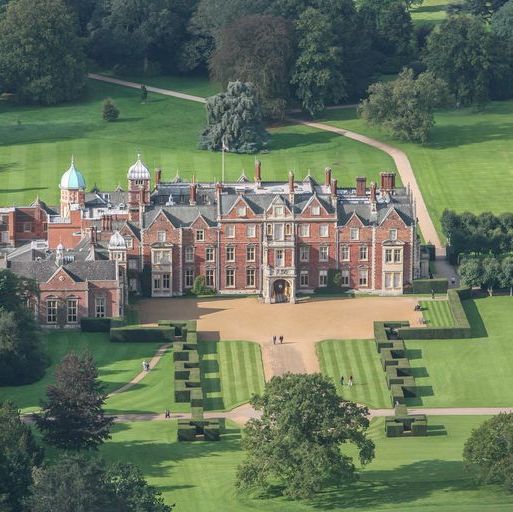
Thames Valley Police confirmed the arrest in an official statement, noting they had detained "a man in his sixties from Norfolk on suspicion of misconduct in public office." While British police typically do not name suspects before charges are filed, multiple sources have confirmed the individual is Andrew Mountbatten-Windsor. Officers simultaneously executed search warrants at two properties—one in Berkshire, west of London, and another in Norfolk, eastern England. Media images showed a fleet of unmarked police vehicles arriving at King Charles's Sandringham estate in Norfolk, where Andrew had recently relocated after being ordered to leave his Windsor mansion.
According to the France 24 report, the arrest follows assessments by at least nine separate UK police forces of reports linking the former prince to Epstein. Under UK law, Andrew can be held for 24 hours without charge, after which police must apply to the courts for an extension of custody. The investigation represents one of the most significant police actions involving a royal family member in modern British history, signaling a determination to pursue allegations regardless of the suspect's former status.
Allegations of Confidential Document Sharing
The misconduct allegations center on Andrew's actions during his decade-long service as a British trade envoy from 2001 to 2011. According to evidence reviewed by AFP, in November 2010, Andrew appeared to share with Epstein reports on several Asian countries following an official visit to the region. The former prince, who was accompanied by Epstein's business associates on the trip, reportedly sent the American financier details of the visit along with investment opportunities months later. Official guidance stipulates that trade envoys have a duty of confidentiality over sensitive commercial or political information related to their official visits, making such sharing potentially criminal misconduct.
The revelations emerged from the latest tranche of millions of files released by the US justice department from the investigation into Epstein, who died in prison in 2019. The documents have prompted renewed scrutiny of Andrew's relationship with the financier, which has already cost him his royal titles and military affiliations. The specific charge of misconduct in public office carries a maximum sentence of life imprisonment under UK law, according to the Crown Prosecution Service, indicating the seriousness with which authorities are treating the allegations.
Royal Response and Public Reaction
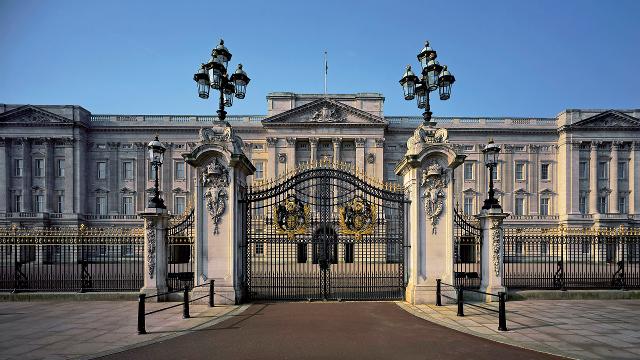
King Charles III responded to his brother's arrest with a rare personally signed statement expressing his "deepest concern" while emphasizing that "the law must take its course." The monarch stated: "What now follows is the full, fair and proper process by which this issue is investigated in the appropriate manner and by the appropriate authorities." This measured response reflects the palace's delicate position—balancing family loyalty with constitutional propriety and public accountability. Last week, before the arrest, the king had already voiced "concern" over his brother's alleged actions and noted Buckingham Palace was "ready to support" the police investigation.
Public reaction to the arrest has been largely supportive of the police action. Andrew remains deeply unpopular with the British public due to his associations with Epstein and previous controversies. "I'm pleased. It's a strong message. He deserves that," lawyer Emma Carter, 55, told France 24 in London. "He's been hiding behind his privileges... for too many years." This sentiment reflects broader public frustration with perceived special treatment for the former prince, who settled a US civil lawsuit in 2022 brought by Virginia Giuffre—one of Epstein's accusers—while not admitting liability.
Broader Investigations and Political Pressure
The arrest occurs amid widening investigations into Epstein's UK connections. Police in Surrey, southeastern England, have appealed for information after becoming "aware" of a redacted report alleging "human trafficking and sexual assaults on a minor" there in the mid-1990s. Meanwhile, London's Metropolitan Police has launched an investigation into the relationship between the UK's former ambassador to Washington, Peter Mandelson, and the disgraced financier. These parallel investigations suggest authorities are taking a comprehensive approach to examining Epstein's British network.
Political pressure has also intensified, with former UK Prime Minister Gordon Brown urging police to probe dozens of flights dating back decades that arrived at UK airports tied to Epstein. In the New Statesman magazine last week, Brown wrote that he had been "told privately that the investigations related to the former Prince Andrew did not properly check vital evidence of flights" dubbed by UK media the "Lolita Express." Brown stated: "I have asked the police to look at this as part of the new inquiry," indicating high-level political concern about the thoroughness of previous investigations.
Conclusion: A Watershed Moment for Royal Accountability
The arrest of Andrew Mountbatten-Windsor represents a watershed moment in modern British history, demonstrating that even former members of the royal family are not above legal scrutiny. As the investigation proceeds, it will test the resilience of British institutions and their ability to handle allegations involving the highest levels of society with impartiality and transparency. The case also highlights ongoing concerns about the protection of confidential government information and the ethical standards expected of those in public service roles. While the legal process must now run its course, Thursday's arrest sends a clear message about accountability in contemporary Britain—a message that resonates far beyond the gates of royal estates and into the heart of the nation's justice system.


