
Makers and Hacker Spaces: DIY Resistance in the Age of Immigration Crackdowns
Across the United States, a grassroots movement is emerging in hacker spaces and maker communities as creative protesters develop DIY tools to resist aggressive immigration enforcement. From 3D-printed whistles to mesh communication networks, these innovators are building practical solutions to protect vulnerable communities. This article explores how maker culture is adapting to provide resilience against federal immigration operations, examining the tools being created, the communities driving this movement, and the practical applications of DIY technology in modern protest movements.
In communities across the United States, a quiet revolution is taking place in workshops, hacker spaces, and living rooms where creative individuals are developing practical tools to resist what they perceive as increasingly aggressive immigration enforcement. As federal Immigration and Customs Enforcement (ICE) operations expand their reach, anxious residents are mobilizing to protect vulnerable communities through innovative DIY approaches that blend technology, craft, and community organizing.
The Rise of Maker-Led Resistance
The current wave of maker-led resistance emerges from a growing sense of urgency within communities facing increased immigration enforcement. According to reports from WIRED, makers are responding to what they describe as "a constant level of inherent stress and anxiety" that has become a baseline reality for many communities. This anxiety stems from recent federal operations that have uprooted lives across multiple states, including Minnesota where Operation Metro Surge resulted in fatal shootings and widespread disruption.
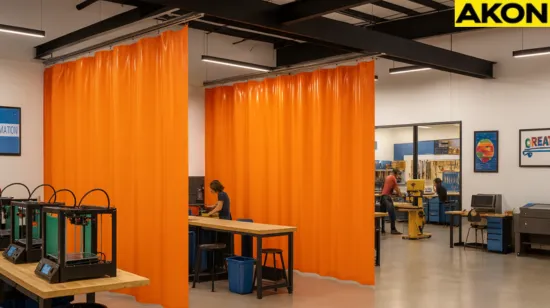
Hacker spaces, also known as maker spaces, serve as the physical hubs for this movement. These community centers typically contain workbenches, 3D printers, laser engravers, power tools, and other equipment that enables individuals to build both digital and analog projects. More importantly, they function as gathering points for like-minded tinkerers and focal points for the broader hacker community. These spaces have become essential resources for communities looking to build resilience against what they perceive as overreach by federal immigration authorities.
Practical Tools for Community Protection
The most visible manifestation of this maker movement is the production of practical tools designed for specific protective purposes. Makers across the country are 3D-printing thousands of whistles that community members can use to alert others to nearby ICE activity. These simple yet effective devices represent just one element of a broader toolkit being developed in hacker spaces nationwide.
Beyond whistles, makers are creating a diverse array of gadgets including camera mounts for documenting enforcement activities, mobile networking gear for establishing off-grid communications, and handheld eye washers designed to clear away pepper spray, tear gas, and other irritants used during protests. Many of these projects originate from individual makers working independently or in small groups, though hacker spaces provide the infrastructure and community support necessary for scaling these efforts.

Community Infrastructure and Support Systems
Hacker spaces have evolved beyond mere workshops to become comprehensive community support centers. They now host community readiness meetings where residents discuss strategies for building resilience against immigration enforcement. These spaces also serve as venues for fix-it clinics where community members can repair technology damaged during protests or when federal agents forcibly enter homes.
One maker, speaking anonymously for fear of retribution, emphasizes the practical nature of this resistance: "Resistance is actually pretty practical. Anybody can 3D-print a whistle. Anybody can fix a door or laser-cut stencils." This emphasis on accessibility and practicality distinguishes the current maker movement from more abstract forms of protest, focusing instead on tangible solutions that community members can implement themselves.
Communication Networks and Technological Solutions
Perhaps the most sophisticated aspect of this maker-led resistance involves the development of alternative communication networks. Communities are utilizing Meshtastic technology—low-power mesh routers that create expansive off-grid networks allowing people to send text messages without connecting to the internet or cell towers. These networks offer a crucial communication channel for monitoring and reporting ICE movements while maintaining some degree of operational security.
Advocates like Woody Poulard in New York City have worked with ICE watch volunteers to establish broader mesh communication networks. Poulard, who participates at the hacker space NYC Resistor, has distributed instructional materials about using mesh routers and has conducted workshops teaching people how to build small router nodes into their phone cases for immediate connectivity. While these systems have security limitations—anyone with the channel password can see messages—they provide essential infrastructure for communities seeking to maintain communication during enforcement operations.
Cultural Dimensions and Long-Term Vision
The maker resistance movement encompasses not only practical tools but also cultural dimensions that shape its character and sustainability. Artist and crafter Claire Danielle Cassidy, based in Portland, Oregon, represents this cultural approach through what she calls "weaponized cuteness" and advocacy for joy in activism. Cassidy creates technology like light graffiti projectors and solar-panel power banks while emphasizing that "girly culture is going to save us, like it always does."
Cassidy's work demonstrates how maker culture can maintain human elements even in challenging circumstances. She runs There U Glow, a queer- and femme-led workshop that teaches technical skills through fun projects like modifying LED lights. "If you learn about how to set up an LED coat," Cassidy explains, "you actually know 75-ish percent of how to set up an off-grid solar array." This approach builds technical competence while maintaining the creative spirit that defines maker culture.

Conclusion: Building Resilience Through Community Innovation
The emergence of maker-led resistance represents a significant development in how communities respond to perceived government overreach. By leveraging accessible technology and community spaces, ordinary people are developing practical solutions to complex challenges. This movement demonstrates how hacker spaces have evolved from hobbyist workshops to essential community infrastructure, providing both technical resources and social support during times of crisis.
As federal immigration policies continue to generate controversy and enforcement operations expand into new communities, the role of maker spaces is likely to grow in importance. These community hubs offer not only tools and technology but also the social cohesion necessary for building lasting resilience. Whether through 3D-printed whistles, mesh communication networks, or creative cultural interventions, the maker movement represents a powerful example of how grassroots innovation can address pressing social challenges while maintaining the human connections that sustain communities through difficult times.


