Israel's Planned Aid Reduction to Northern Gaza Amid Expanded Military Operations
Israel's decision to halt or reduce humanitarian aid to northern Gaza while expanding military operations in Gaza City has drawn significant international criticism. This move comes amid already dire humanitarian conditions in the region, raising concerns about civilian welfare and access to essential supplies. The expanded offensive represents an intensification of military activities that could further complicate aid delivery and exacerbate the humanitarian crisis affecting Palestinian civilians.
Israel's announcement to potentially halt or significantly reduce humanitarian aid deliveries to northern Gaza marks a critical development in the ongoing conflict, coinciding with expanded military operations in Gaza City. This strategic shift has prompted immediate international concern regarding the welfare of Palestinian civilians already facing severe humanitarian challenges.
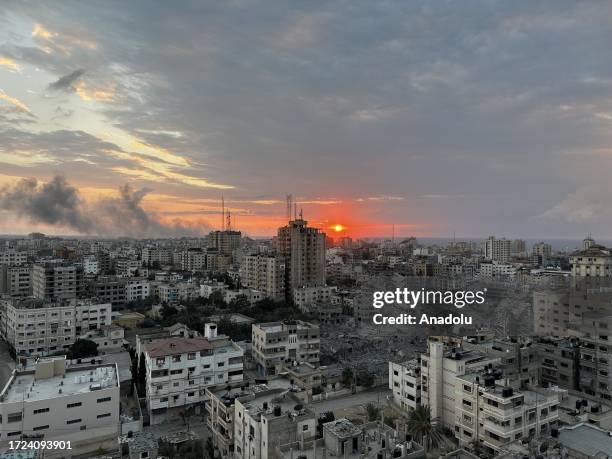
The decision to restrict aid flows to northern Gaza comes as Israeli forces intensify their military campaign in Gaza City, creating what humanitarian organizations describe as a perfect storm of deteriorating conditions. The combination of reduced aid access and increased military activity raises serious questions about civilian protection and basic needs fulfillment.
Humanitarian Implications
The planned aid reduction affects a region where approximately 300,000 Palestinians remain, many of whom rely entirely on humanitarian assistance for survival. Northern Gaza has experienced some of the most severe damage to infrastructure during the conflict, with hospitals, water systems, and food distribution networks already operating at minimal capacity.

Humanitarian organizations have expressed alarm at the potential consequences of aid restrictions. The World Health Organization and various UN agencies have warned that further limiting humanitarian access could lead to catastrophic outcomes, particularly for vulnerable populations including children, elderly residents, and those with medical conditions requiring regular treatment.
Military Expansion in Gaza City
Israel's expanded offensive in Gaza City represents a significant escalation in military operations. The operation focuses on targeting Hamas infrastructure and operatives within urban areas, but the dense population center presents substantial challenges for distinguishing between combatants and civilians.
The timing of the military expansion alongside aid restrictions has drawn particular criticism from international observers. Critics argue that simultaneously increasing military pressure while reducing humanitarian support creates an untenable situation for civilian populations caught in the conflict zone.
International Response and Criticism
The international community has responded with growing concern to Israel's announced plans. Several European governments and the United States have called for maintaining humanitarian corridors and ensuring civilian protection. The United Nations has emphasized the importance of uninterrupted aid delivery as a fundamental requirement under international humanitarian law.

Human rights organizations have been particularly vocal in their criticism, noting that restricting aid while conducting intensive military operations may violate principles of proportionality and distinction under international law. These groups have called for independent monitoring of the situation and urgent measures to protect civilian lives.
Regional Security Considerations
Israeli officials have defended their position by citing security concerns and the need to prevent aid from potentially reaching Hamas operatives. The government maintains that all military actions are conducted with careful consideration of civilian safety and that humanitarian concerns are taken into account in operational planning.
However, the balancing act between security objectives and humanitarian obligations remains intensely controversial. The situation highlights the complex challenges of conducting military operations in densely populated urban environments while meeting international legal obligations regarding civilian protection and aid access.
As the situation continues to evolve, the international community remains watchful of developments in northern Gaza. The coming days will be critical in determining whether alternative arrangements can be made to ensure civilian needs are met while addressing legitimate security concerns in this protracted and devastating conflict.