U.S.-Belarus Relations Thaw as Sanctions Are Lifted and Political Prisoners Released
In a significant diplomatic shift, the United States has lifted sanctions on Belarus's potash sector following the release of prominent political prisoners, including Nobel laureate Ales Bialiatski. U.S. Special Envoy John Coale, after meeting with President Alexander Lukashenko, stated that normalizing relations is "our goal," signaling a move from "baby steps to more confident steps." This article examines the strategic calculus behind this rapprochement, the ongoing human rights concerns raised by the opposition, and the complex geopolitical implications involving Russia's war in Ukraine.
In a notable development in Eastern European diplomacy, the United States has initiated a cautious thaw in its long-frosty relations with Belarus. This shift was marked by the U.S. announcement to lift sanctions on Belarus's critical potash fertilizer sector, a move reciprocated by the authoritarian government in Minsk with the release of over 120 political prisoners. The diplomatic maneuvering, spearheaded by U.S. Special Envoy John Coale, suggests a strategic recalibration as Washington seeks to peel Minsk away from Moscow's orbit while navigating the ongoing war in Ukraine.
The Framework of the Diplomatic Exchange
The recent diplomatic engagement culminated in a two-day meeting in Minsk between U.S. envoy John Coale and Belarusian President Alexander Lukashenko. Coale described the talks as "very productive," according to reports from the Belarusian state news agency Belta. The core of the exchange was straightforward: sanctions relief for prisoner releases. In exchange for the U.S. lifting sanctions on the potash industry, a vital source of foreign currency for Belarus, Lukashenko pardoned 123 prisoners. This follows a pattern established in late 2025, when earlier sanctions easing led to the release of more than 50 political prisoners.
Key Figures Released
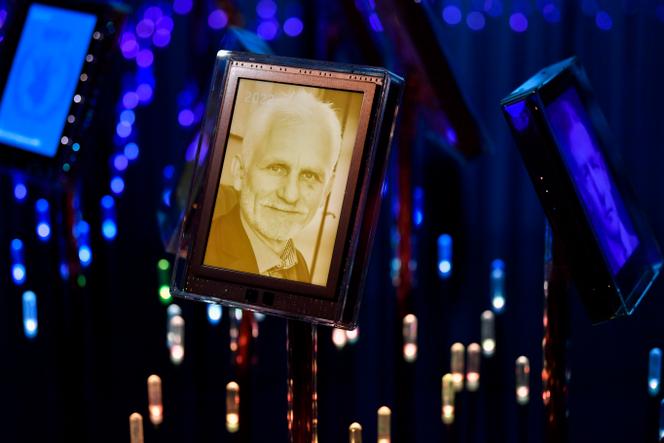
Among those recently freed are some of Belarus's most high-profile political detainees. This includes Nobel Peace Prize laureate Ales Bialiatski, a leading human rights activist, and Maria Kolesnikova, a key opposition figure known for her role in the 2020 protests. Their release, confirmed by the Viasna human rights group, is seen as a significant concession by the Lukashenko regime, which has ruled the nation of 9.5 million with an iron fist for over three decades.
Strategic Goals and Cautious Optimism
John Coale explicitly framed the engagement as part of a longer-term strategy. "We're lifting sanctions, releasing prisoners. We're constantly talking to each other," he stated. He emphasized that normalizing relations between Washington and Minsk was "our goal," characterizing the bilateral relationship as moving from "baby steps to more confident steps." This indicates a deliberate, phased approach by the Biden administration to test whether diplomatic and economic incentives can elicit meaningful behavioral change from Lukashenko's government.
The Opposition's Skeptical View
Belarusian opposition leader Sviatlana Tsikhanouskaya, speaking to The Associated Press, acknowledged the prisoner releases as a positive outcome but urged extreme caution. She framed the sanctions relief as part of a direct deal with Lukashenko, who she said "understands the pain of Western sanctions and is seeking to ease them." However, she warned that Lukashenko's fundamental policies remain unchanged. "Let's not be naive: Lukashenko hasn't changed his policies, his crackdown continues and he keeps on supporting Russia's war against Ukraine," Tsikhanouskaya said. She stressed that any sanctions relief must be carefully managed to avoid reinforcing "Russia's war machine and encouraging continued repressions."
Geopolitical Complexities and the Ukraine War
The U.S.-Belarus dialogue cannot be divorced from the larger context of Russia's invasion of Ukraine. Belarus has been a key staging ground and ally for Moscow since 2022, leading to its isolation and sanctions from Western nations. The discussions in Minsk also touched on the Ukraine conflict, with Coale noting that Lukashenko, as a "longtime friend" of Russian President Vladimir Putin, had offered "good advice" on addressing the war. This highlights the delicate U.S. strategy of engaging Lukashenko potentially as a conduit to Moscow, while simultaneously trying to reduce Belarus's direct support for the Russian war effort.

The European Sanctions Dimension
Tsikhanouskaya pointed out a critical distinction in the sanctions landscape. She described European Union sanctions on Belarusian potash as "far more painful" than those imposed by the U.S. Her analysis suggests a bifurcated Western approach: U.S. sanctions relief can be used as a tactical tool for immediate humanitarian gains (prisoner releases), while sustained EU pressure should be leveraged to demand "long-term, systemic changes in Belarus and the end of Russia's war in Ukraine."
Conclusion: A Calculated Gambit with Uncertain Outcomes
The recent diplomatic activity between the United States and Belarus represents a calculated gambit by the Biden administration. By offering targeted economic relief, Washington aims to secure tangible human rights improvements and, ultimately, to weaken the strategic partnership between Minsk and Moscow. While the release of political prisoners is a unequivocally positive development, the path forward remains fraught with challenges. As the opposition warns, the Lukashenko regime's authoritarian core and support for Russia's war persist. The success of this rapprochement will depend on whether continued dialogue can catalyze deeper, structural change in Belarus, or if it merely provides the regime with temporary economic respite without altering its fundamental alignment. The world will be watching to see if these "more confident steps" lead toward genuine normalization or another dead end.