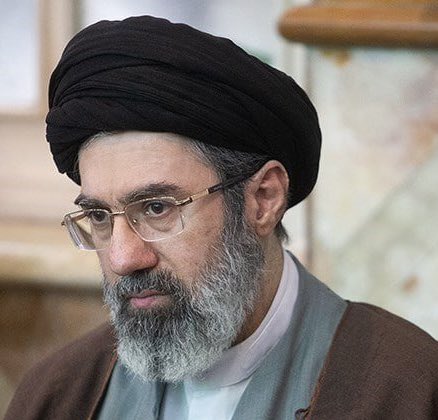
Iran's New Supreme Leader Mojtaba Khamenei Reported 'Safe and Sound' Amid Regional Tensions
Yousef Pezeshkian, son of Iranian President Masoud Pezeshkian, has publicly stated that Iran's new Supreme Leader Mojtaba Khamenei is 'safe and sound,' countering earlier media reports of potential injury from U.S.-Israeli strikes. The announcement, made via Telegram on March 11, 2026, comes during a period of heightened regional tensions and follows public gatherings of support in Tehran. This development provides crucial clarity regarding the leadership status in Iran following the transition of power.
In a significant development concerning Iran's political stability, Yousef Pezeshkian, the son of Iranian President Masoud Pezeshkian, has publicly confirmed the safety of the nation's new Supreme Leader, Mojtaba Khamenei. The statement, issued on Wednesday, March 11, 2026, directly addresses swirling rumors and earlier media reports, offering a measure of reassurance about the continuity of Iran's highest authority during a geopolitically sensitive period. This announcement provides a crucial data point for analysts and observers tracking the complex power dynamics within the Islamic Republic.
The Official Statement and Its Context
According to a report from CGTN, Yousef Pezeshkian utilized his Telegram channel to disseminate the message regarding the Supreme Leader's wellbeing. He stated that Mojtaba Khamenei is "safe and sound," attributing this information to friends who "had connections" and were able to inform him. This public declaration serves as an official counter-narrative to earlier, unverified media claims which suggested that the new Supreme Leader might have been injured during joint U.S.-Israeli military strikes targeting Iranian assets. The timing of the statement is critical, as it follows visible public demonstrations of support, including gatherings in Tehran on March 9, 2026, where citizens assembled to show their backing for the new leadership.
Addressing Rumors and Regional Tensions
The need for such a public reassurance underscores the volatile security environment in the Middle East. Reports of potential strikes and leadership vulnerability can significantly impact domestic morale and international perceptions of a nation's stability. By having the president's son—a figure with presumed access to reliable information—deliver the message, the Iranian establishment likely aims to quell domestic uncertainty and project an image of control. The reference to "friends with connections" suggests the information is being verified through informal yet trusted channels within the power structure, a common feature in such political ecosystems.

Implications for Iranian Leadership and Succession
The confirmation of Mojtaba Khamenei's safety is paramount for the continuity of Iran's political system, where the Supreme Leader holds ultimate authority over state matters, foreign policy, and the military. Any question regarding the health or security of this figure creates a power vacuum and potential for internal strife. The public gatherings of support in Tehran, as noted in the CGTN report, indicate an effort by the state to consolidate the new leader's legitimacy and demonstrate popular backing. This event highlights the carefully managed process of leadership transition in Iran and the importance of maintaining a clear, unified public narrative regarding the health and capability of its top figures, especially in the face of external pressures and conflicting reports.
In conclusion, the statement from Yousef Pezeshkian serves as a pivotal piece of official communication aimed at stabilizing the domestic political scene and countering external narratives. It reaffirms the position of Mojtaba Khamenei at the helm of Iran's complex governance structure. For the international community, this development emphasizes the ongoing tensions in the region and the critical importance of verified information when assessing the status of national leadership in geopolitically significant countries like Iran. The situation remains a key point of observation for understanding Middle Eastern politics and security dynamics.