Read on bbc.com
Drone Strikes in Goma Kill UN Aid Worker, Escalate Conflict in Eastern DR Congo
A French UN aid worker and two others were killed in drone strikes on the rebel-held city of Goma in eastern Democratic Republic of Congo. The attack targeted a residential building frequently used by expatriates and humanitarian personnel, marking a significant escalation in the long-running conflict. The incident has drawn condemnation from international leaders and highlights the expanding use of drone warfare in the region, which has displaced millions and drawn in regional powers including Rwanda.
The conflict in eastern Democratic Republic of Congo (DRC) entered a dangerous new phase this week when drone strikes hit the rebel-held city of Goma, killing a French United Nations aid worker and two other individuals. The attack represents a significant escalation in violence that directly threatens civilian populations and humanitarian operations in a region already devastated by years of fighting. This incident underscores the expanding role of drone warfare in modern conflicts and the growing risks faced by international aid workers in unstable regions.

The Goma Drone Attack: Details and Aftermath
According to multiple witness accounts and official reports, the drone strikes occurred in the early hours of Wednesday morning, targeting Lake Kivu and a two-story residential building in Goma. The building was reportedly frequently occupied by expatriates and aid workers, making it a significant target in the conflict. Videos circulating on social media showed flames engulfing the structure as thick smoke rose into the night sky, with residents scrambling amid the debris. Images from the scene revealed extensive damage, including a partially torn roof, walls peppered with shrapnel marks, and blown-out windows.
French President Emmanuel Macron confirmed the death of Karine Buisset, a French national working for UNICEF, in a post on X (formerly Twitter). President Macron urged "respect for humanitarian law" in his statement, highlighting the international implications of the attack. UNICEF expressed devastation and outrage at Buisset's death, describing her as "a dedicated humanitarian who worked tirelessly to support children and families affected by conflict and crisis." The identities of the two other victims have not been made public at this time.
Regional Conflict and M23 Rebel Control
Goma, the capital of North Kivu province near the border with Rwanda, has been under the control of M23 rebels since early last year. The rebel group has seized significant swathes of mineral-rich eastern DRC since 2021, with multiple ceasefires brokered only to collapse soon after. The M23 rebels blamed the Congolese government for the recent drone attack, terming it a "terrorist act." Lawrence Kanyuka, a spokesperson for the Congo River Alliance (AFC) which includes the M23, described the strike as a deliberate assault on a densely populated city.
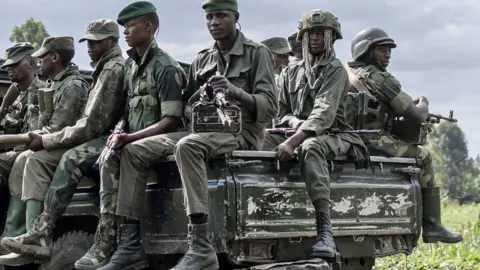
The Congolese army has denied any involvement in the attack, creating conflicting narratives about responsibility. The DR Congo army, stationed several hundred kilometers from Goma, regularly launches long-range drone strikes on M23 positions, while security sources indicate the M23 also deploys explosive drones at the front lines. This mutual use of drone technology represents a new dimension in the conflict, with both sides increasingly relying on unmanned aerial systems for reconnaissance and attacks.
International Response and Humanitarian Concerns
The head of the UN mission in DR Congo, Bruno Lemarquis, strongly condemned the escalation of violence in a statement released on Wednesday. "I condemn in the strongest terms the use of weapons, including armed drones that endanger civilian populations and United Nations personnel," Lemarquis stated. This condemnation reflects growing international concern about the safety of humanitarian workers in conflict zones and the increasing use of drone technology against civilian targets.
The attack comes amid expanding use of drones in DR Congo's conflict, which has displaced millions of people and drawn in regional powers. The United Nations and Western nations have repeatedly accused Rwanda of backing the M23 rebels, charges that Rwanda consistently denies. Last month, prominent M23 spokesman Willy Ngoma was killed in a strike near the mining town of Rubaya, indicating ongoing targeted operations against rebel leadership. The fighting has continued despite Rwanda and DR Congo signing a peace deal in early December at the urging of US President Donald Trump, representing the latest in a series of failed attempts to end the conflict.
Strategic Implications and Conflict Analysis
Ladd Serwat, Africa senior analyst at conflict-monitoring group Acled, provided important context about the strategic significance of the recent strikes. According to Serwat, the recent attacks and fighting "represent the most serious threat to Goma since it was overtaken and may indicate a broader push by the Congolese military to retake areas of North Kivu." This analysis suggests the drone strikes may be part of a larger military strategy rather than isolated incidents, potentially signaling an escalation in government efforts to reclaim territory from rebel control.
The private residence targeted in the attack is located near the home of former DR Congo President Joseph Kabila, according to AP news agency reports. Kabila has been sentenced to death for treason over accusations he backs the rebels, charges he denies. This geographical proximity adds another layer of complexity to the attack, potentially indicating either strategic targeting or collateral damage in a densely populated urban area.
Conclusion: A Dangerous Escalation with Global Implications
The drone strikes in Goma represent a dangerous escalation in the long-running conflict in eastern Democratic Republic of Congo. The killing of a UN aid worker marks a significant breach of humanitarian protections and underscores the growing risks faced by international organizations operating in conflict zones. As drone technology becomes increasingly accessible to both state and non-state actors, conflicts like the one in eastern DRC are likely to see more frequent use of these weapons, with devastating consequences for civilian populations.
The international community faces significant challenges in responding to this escalation, balancing condemnation of attacks on humanitarian workers with diplomatic efforts to broker lasting peace. With millions displaced and regional powers increasingly involved, the conflict in eastern DRC represents one of Africa's most complex and persistent humanitarian crises. The recent drone attacks in Goma serve as a stark reminder that technological advancements in warfare often come at the expense of civilian safety and humanitarian principles, demanding renewed international attention and action.

.jpg?width=755&height=425&name=smart%20manufacturing%20article%20header%20image%20%20(1).jpg)