Read on PBS News
Mississippi's 2026 State Primaries: Key Races and What to Know
Mississippi voters head to the polls on Tuesday, March 10, 2026, to select nominees for Congress in pivotal state primaries. The ballot features Republican U.S. Senator Cindy Hyde-Smith seeking a second full term against primary challenger Sarah Adlakha, while Democrats choose between Scott Colom and others. All four of Mississippi's U.S. House seats are also contested, with notable races including the 2nd District, where longtime Democratic Rep. Bennie Thompson faces intra-party challenges. This primary will set the stage for the November midterms in a state where federal offices have seen little party turnover since 2010.
On Tuesday, March 10, 2026, Mississippi voters will participate in state primaries to select nominees for the U.S. Senate and House of Representatives. These elections are a critical step in determining the candidates who will compete in the November midterm elections. While Republicans hold slim majorities in Congress, control of either chamber is unlikely to hinge on Mississippi outcomes, as no federal office in the state has changed party hands since 2010, according to AP analysis via PBS NewsHour. Nonetheless, the primaries feature competitive races that could shape the state's political landscape for years to come.

Key Races on the Ballot
The primary ballot is headlined by the race for U.S. Senate. Incumbent Republican Senator Cindy Hyde-Smith is seeking a second full term. She faces a primary challenge from Sarah Adlakha, a physician and novelist. On the Democratic side, the primary field includes Scott Colom, a state district attorney. Colom was previously nominated by President Joe Biden to the federal bench in 2023, but his confirmation was blocked by Senator Hyde-Smith. Hyde-Smith has won her two previous general elections with about 54% of the vote, both against former U.S. Agriculture Secretary Mike Espy.
Contested U.S. House Primaries
All four of Mississippi's U.S. House seats are up for reelection, with primaries in the 1st, 2nd, and 4th Congressional Districts being particularly contested. The most notable is Mississippi's 2nd Congressional District.
The 2nd Congressional District
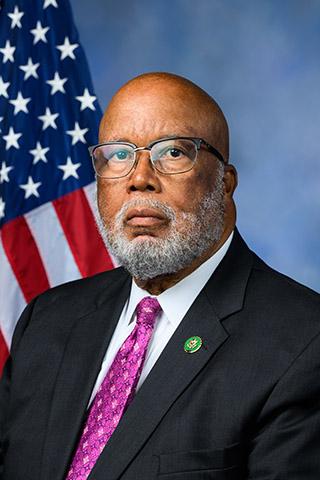
In the 2nd District, Democratic Rep. Bennie Thompson—Mississippi's longest-serving current member of Congress and the delegation's sole Democrat—is running for an 18th term. He faces two primary challengers, including attorney Evan Turnage, a former adviser to Democratic Senators Chuck Schumer and Elizabeth Warren. On the Republican side, physician assistant Ron Eller (who lost the 2024 general election to Thompson) competes with Adams County supervisor Kevin Wilson for the GOP nomination. The district, which comprises about 40% of the state's geography and includes most of Jackson, has a population that is about 64% Black. It supported Democrat Kamala Harris over Republican Donald Trump in the 2024 presidential election, 60% to 39%.
Voting Process and Key Details
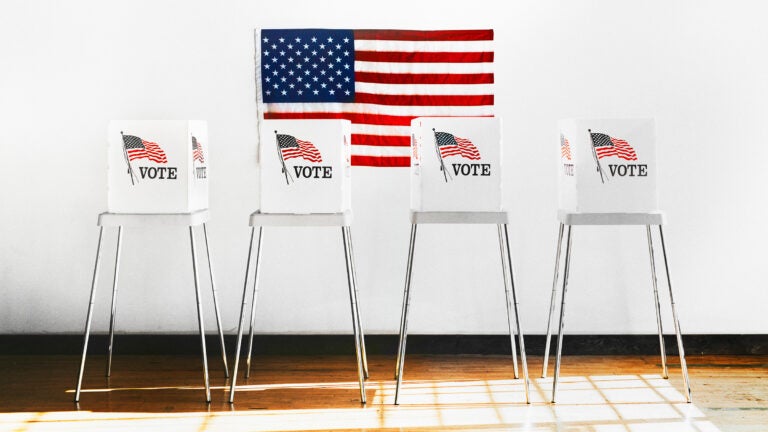
Mississippi has an open primary system. The state does not register voters by party, so any eligible voter may participate in any party's primary. However, voters may not participate in more than one party's primary on election day. Polls close at 7 p.m. local time (8 p.m. ET). As of February 2, 2026, there were nearly 1.9 million active registered voters in Mississippi. Turnout in recent primaries has varied; the 2024 Republican presidential and Senate primaries each saw about 248,000 votes cast (roughly 13% of registered voters), while Democratic primaries saw significantly lower participation.
What Comes Next?
The results of Tuesday's primaries will formally set the general election matchups for November. Mississippi does not have automatic recounts; recounts occur only by court order. The Associated Press, which provides election results and race calls, will declare a winner only when it determines no scenario would allow a trailing candidate to close the gap. As of Tuesday, there will be 238 days until the 2026 midterm elections. These primaries are a foundational event in the election cycle, testing the strength of incumbents and the appeal of new candidates in a politically stable state.