Read on PBS News
Tarique Rahman Sworn In as Bangladesh's New Prime Minister After Landslide Election Victory
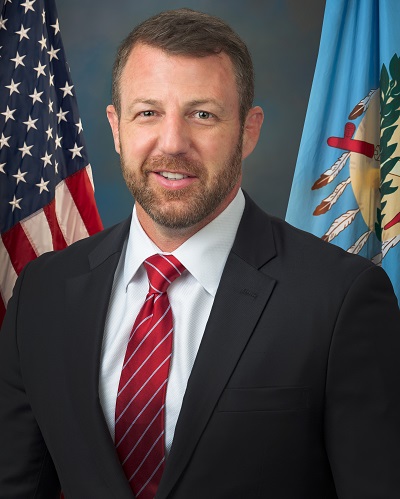
Tarique Rahman has been sworn in as the Prime Minister of Bangladesh following his party's decisive victory in the 2026 parliamentary elections. The son of former leaders Khaleda Zia and Ziaur Rahman, he becomes the nation's first male prime minister in 35 years, marking a significant shift in a political landscape long dominated by his mother and her rival, Sheikh Hasina. His inauguration follows a peaceful election overseen by an interim government and comes after years of intense political rivalry and a major national uprising in 2024.
Bangladesh has entered a new political era with the swearing-in of Prime Minister Tarique Rahman, following a landmark election that represents a pivotal moment for the nation's democracy. The ceremony, held in Dhaka on Tuesday, February 17, 2026, formalizes a transfer of power after the Bangladesh Nationalist Party (BNP) and its allies secured a commanding majority in Parliament. This transition is particularly notable as it breaks a 35-year streak of female leadership, with Rahman being the first man to hold the office since the country's return to democratic rule in 1991.

A Historic Political Transition
The 2026 parliamentary elections were the first held since the massive 2024 public uprising that led to the toppling of former Prime Minister Sheikh Hasina. The vote was largely peaceful and deemed acceptable by international observers, a significant achievement for a country with a history of disputed polls. An interim government led by Nobel Peace Prize laureate Muhammad Yunus oversaw the electoral process, helping to ensure its credibility.
Prime Minister Tarique Rahman, 60, is the son of two of Bangladesh's most prominent political figures: former Prime Minister Khaleda Zia and former President Ziaur Rahman. His return to Bangladesh in December 2025, after 17 years of self-exile in London, was a major political event that set the stage for his electoral campaign. He has pledged to work for strengthening democracy in the nation of 170 million people.
The Election Results and Parliamentary Makeup
The Bangladesh Nationalist Party and its coalition partners won a decisive 212 seats in the 350-member Parliament. The main opposition bloc, an 11-party alliance led by the Islamist Jamaat-e-Islami party, secured 77 seats. A notable new entrant was the National Citizen Party (NCP), formed by student leaders of the 2024 uprising, which won six seats as part of the opposition alliance.
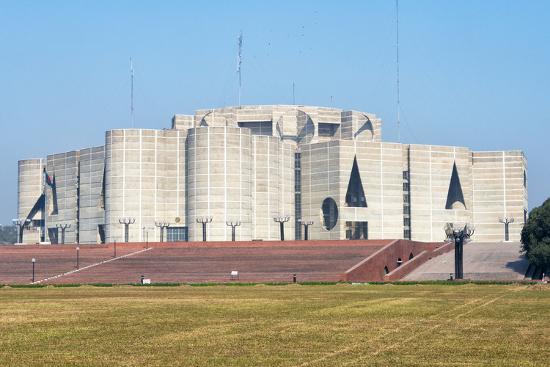
In the Bangladeshi electoral system, voters directly elect 300 members of Parliament. The remaining 50 seats are reserved for women and are distributed proportionally among the winning parties. The landslide victory for the BNP provides Prime Minister Rahman with a strong mandate to govern, but the presence of a sizable opposition bloc suggests a potentially active and complex parliamentary dynamic.
Constitutional Reforms and Political Complexity
A unique feature of this election was a national referendum held simultaneously on proposed constitutional reforms. These reforms, stemming from a charter created in light of the 2024 uprising, include establishing prime ministerial term limits, strengthening checks on executive power, and other safeguards against the consolidation of parliamentary power. The interim government declared the "Yes" side the winner.
This has led to an unusual situation in the new Parliament. Lawmakers were asked to take a second oath as members of a proposed Constitutional Reform Council. While lawmakers from the Jamaat-e-Islami and its allies complied, BNP lawmakers refused. This refusal signals potential challenges ahead in implementing the referendum's agenda, which some critics argue could alter the character of Bangladesh's largely secular constitution.
The Shadow of the Past and Future Challenges
The political landscape remains shaped by recent history. The main rival to the BNP, the Bangladesh Awami League led by Sheikh Hasina, was banned from contesting the election by the Yunus-led interim administration. Hasina, who was ousted during the 2024 uprising and now lives in exile in India, has denounced the vote as unfair. She was also sentenced to death in absentia on charges related to the uprising, which she has rejected, calling the court a "kangaroo court."
Prime Minister Rahman's administration begins its five-year term with significant expectations. His promises to bolster democracy will be tested against the backdrop of a recovering political system, a complex parliamentary opposition, and the task of implementing contested constitutional reforms. The presence of foreign dignitaries from neighboring countries like the Maldives, Bhutan, India, Nepal, and Sri Lanka at his swearing-in ceremony underscores the regional importance of Bangladesh's political stability.